
Hybrids of Chrysanthemum zawadskii and Chrysanthemum indicum
hybrids between Chrysanthemum zawadskii Herbich and Chrysanthemum indicum L.
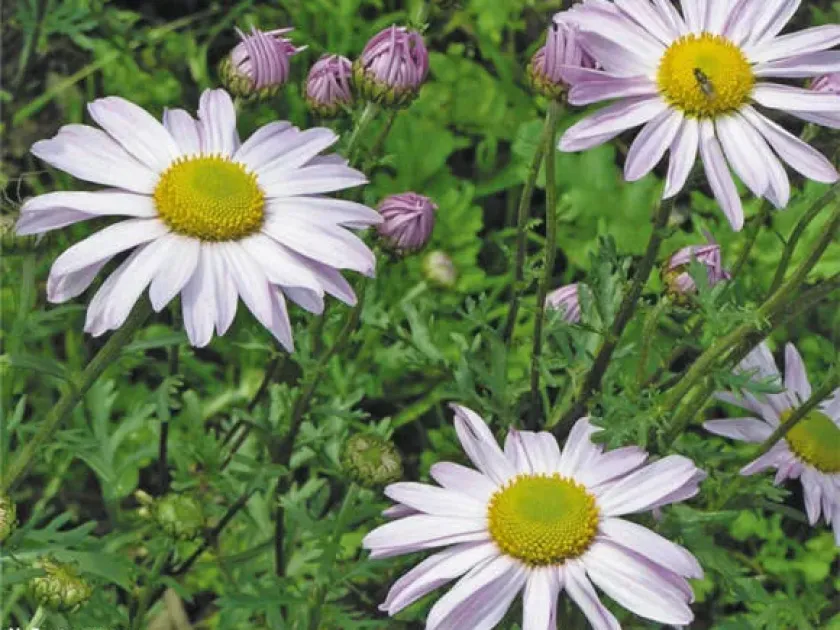
Description
Sowing dates
Seed sowing for these hybrids is typically initiated in late winter or early spring within a greenhouse environment. Starting seeds early ensures that plants are sufficiently developed before they are transplanted into the garden beds.
Propagation through division or cuttings is another common practice, usually performed in the spring when the plants are actively emerging from dormancy. This method is preferred to maintain specific genetic traits and flower characteristics.
When direct sowing or planting out young seedlings, ensure that the frost risk has passed. The soil temperature should be at least 12-15 degrees Celsius to encourage healthy root establishment and vigorous growth.
Spacing is a crucial factor for the health of these chrysanthemum hybrids. Typically, plants should be spaced at least 30 to 45 centimeters apart to allow for proper airflow, which significantly reduces humidity around the foliage.
Consistent light exposure is vital for the germination of these seeds. Shallow sowing, combined with a steady temperature of approximately 20 degrees Celsius, will result in high success rates for seedling emergence.
Growing requirements
These chrysanthemum hybrids thrive in locations that receive full sun for the majority of the day. Exposure to at least six hours of direct sunlight is essential for robust stem development and abundant, vibrant blooms.
The soil should be well-draining, loose, and rich in organic matter. While these plants are adaptable, they perform best in soils with a pH ranging from 6.0 to 7.0, preventing potential nutrient deficiencies.
Water management is critical; while the plants require consistent moisture during the growing season, they are highly sensitive to waterlogged soil. Proper drainage solutions should be implemented in clay-heavy garden plots.
Fertilization schedules should be balanced to support growth. High-nitrogen fertilizers are recommended during the early vegetative stage, while potassium-rich formulas are essential as the plant prepares to flower.
Mulching serves as an excellent practice to retain soil moisture and regulate ground temperature. A layer of organic mulch also helps suppress weed growth around the base of the chrysanthemum plants.
Main diseases and pests
Powdery mildew is a widespread issue for these hybrids, characterized by a white dust-like layer on the leaves. Providing adequate space between plants and applying appropriate fungicides can mitigate this risk.
Aphids are frequent pests that congregate on new, tender growth and flower buds. Regular monitoring and the use of insecticidal soaps are highly effective in managing these pest populations before they cause damage.
Root rot is often the result of poor soil drainage or excessive watering. If the plants show signs of wilting despite moist soil, it is crucial to inspect the roots and improve the growing conditions immediately.
Spider mites can become a nuisance during hot, dry summer periods. These tiny pests cause yellowing and stippling of the foliage, which can be treated with specific miticides or by increasing local humidity levels.
Bacterial leaf spots can occur when plants are subjected to frequent overhead watering. Watering at the base of the plant rather than over the leaves is a simple yet effective preventative measure for this disease.