
Chrysanthemum zawadskii
Chrysanthemum zawadskii Herbich subsp. coreanum (Nakai) Y. N. Lee
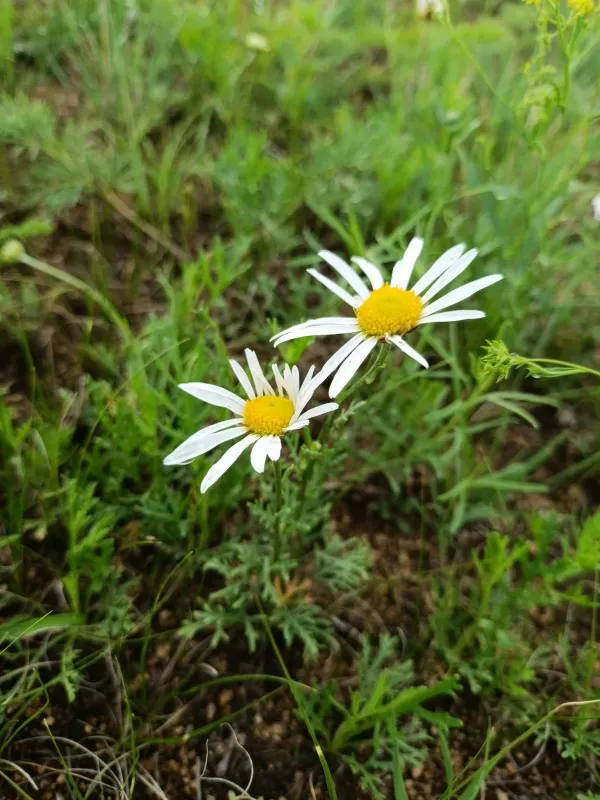
Description
Sowing dates
Propagation of Chrysanthemum zawadskii is typically achieved through seed germination or vegetative division of mature root clumps during the early spring season.
Seed sowing for transplants should begin in late winter or early spring in a climate-controlled greenhouse to ensure well-established seedlings for the season.
When dividing established plants, it is crucial to select healthy, vigorous specimens and perform the operation before the onset of the primary growing phase.
Direct sowing into the field requires well-prepared, loose soil and should only occur when temperatures are consistently above freezing to avoid growth suppression.
Correct spacing is essential for this species to ensure adequate airflow, which is a fundamental requirement for maintaining plant health throughout the entire cycle.
Growing requirements
Chrysanthemum zawadskii, a member of the Asteraceae family, thrives in locations with full sun exposure, which is necessary for optimal development and flowering.
The plant prefers well-drained, fertile soil with a neutral pH level, avoiding heavy clay substrates that may lead to root rot during prolonged wet periods.
Adequate soil moisture is critical during the budding phase, requiring consistent irrigation to support the production of high-quality blossoms and healthy foliage.
Due to its high cold tolerance, this species is well-suited for cultivation in temperate climates, though mulching is recommended for winter protection in extreme areas.
Regular fertilization with balanced nutrients helps sustain the vigor of the plant, especially in soils that may be depleted after several seasons of growth.
Main diseases and pests
Powdery mildew represents a significant threat to these plants, especially in high-humidity environments where poor ventilation promotes rapid fungal spread.
Gray mold can severely damage blossoms and stems, requiring immediate removal of infected parts and application of appropriate fungicidal treatments if necessary.
Aphids often target the succulent new growth and flower buds, necessitating early detection and control to prevent damage and the spread of plant viruses.
Spider mites frequently infest the crop during hot, dry summer months, leading to yellowing leaves and reduced vigor unless humidity is managed correctly.
Maintaining a clean growing environment and monitoring for early signs of infection is the most effective strategy for managing pests and diseases in this crop.