
Dendranthema zawadskii
Chrysanthemum zawadskii Herbich subsp. lucidum (Nakai) Y. N. Lee x Chrysanthemum zawadskii Herbich subsp. latilobum (Maxim.) Kitag.
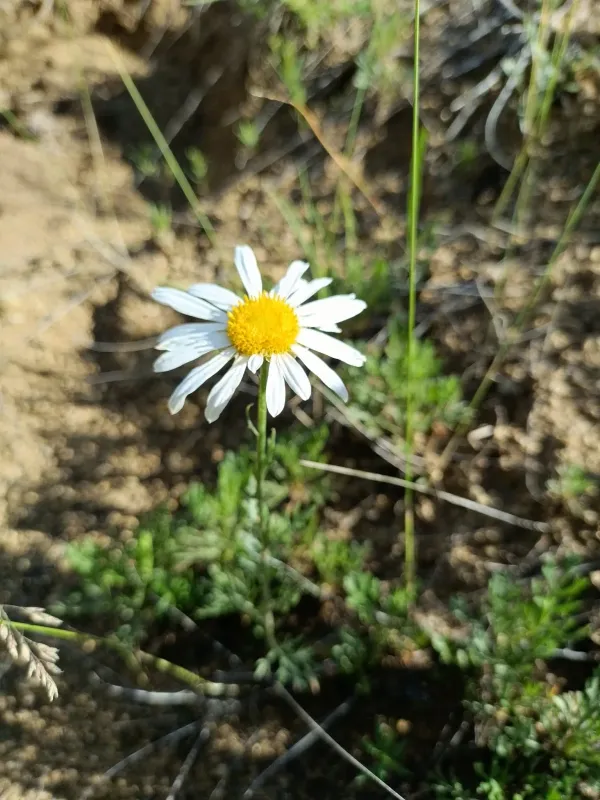
Description
Sowing dates
The propagation of Dendranthema zawadskii is most effectively achieved through vegetative methods, specifically division of mature clumps or softwood cuttings taken during the spring.
When using seeds, the material should be stratified for several weeks to break dormancy and ensure uniform germination once sown in a greenhouse environment.
Young plants or divided clumps should be transplanted into open ground only after the risk of late spring frost has completely passed and soil temperatures have stabilized.
Proper plant spacing is essential for this species to ensure sufficient air circulation, preventing the development of pathogens during the high-growth summer months.
Early season maintenance requires consistent moisture to help the root system establish itself in the new location after the stress of transplantation.
Growing requirements
Dendranthema zawadskii is a member of the Asteraceae family and is known for its high demand for full solar exposure, which is necessary for vigorous growth and flowering.
The ideal soil profile consists of well-drained, nutrient-rich substrate with a neutral to slightly acidic pH, as stagnant moisture is detrimental to the plant's health.
Climatic requirements involve moderate moisture throughout the growing season, though the plant shows remarkable adaptability to various conditions once fully established.
As a hardy perennial, the species demonstrates significant frost tolerance, making it a reliable choice for landscapes in cooler temperate zones where other crops might fail.
Regular fertilization with balanced NPK formulas supports leaf development and enhances the structural integrity of the plant during its active development phase.
Main diseases and pests
The primary pathological concerns for this crop involve fungal infections, including powdery mildew, which often thrive in conditions with high humidity and stagnant air.
Root rot is a critical threat that commonly occurs in waterlogged soil conditions, highlighting the importance of selecting appropriate site locations with excellent drainage.
Insect pests, particularly aphids and spider mites, are frequent visitors that can significantly drain the plant's resources if not managed with appropriate early-season treatments.
Implementing an integrated pest management (IPM) strategy, including the use of botanical insecticides and mechanical removal, is recommended to minimize chemical reliance.
Good cultural practices such as deadheading spent flowers and removing fallen foliage at the end of the season play a vital role in preventing overwintering disease spores.