
Pacific chrysanthemum hybrid
Chrysanthemum pacificum x Chrysanthemum x morifolium
Description
Growing requirements
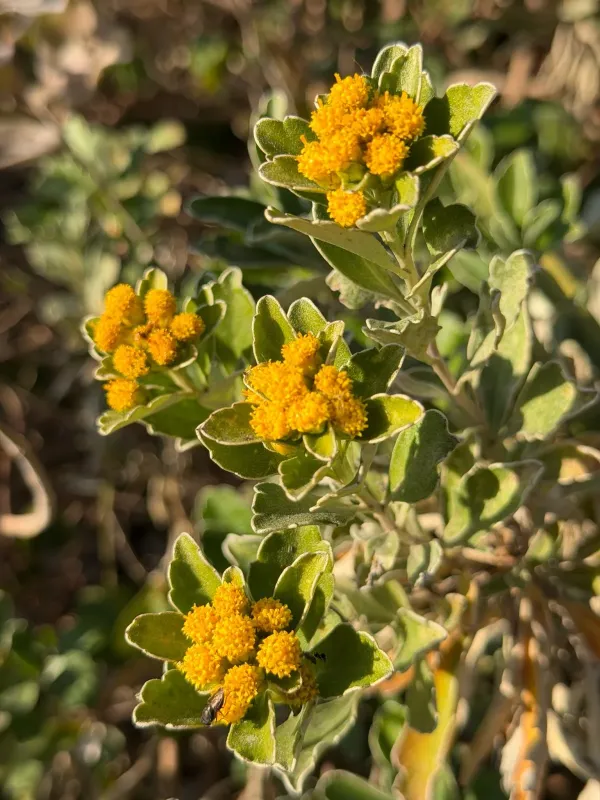
The Pacific chrysanthemum hybrid is an ornamental perennial belonging to the Asteraceae family. This hybrid is highly valued for its striking silver-edged foliage, which provides distinct aesthetic appeal throughout the growing season.
The plant thrives in sunny locations with well-drained soil. It is essential to choose a site that allows for maximum sunlight exposure, as this is crucial for the development of its unique leaf coloration and vigorous growth habit.
Soil requirements involve maintaining a fertile, neutral-to-slightly acidic substrate. Excellent drainage is paramount, as waterlogging is the primary cause of root failure in these hybrid cultivars, especially during cooler months.
Regarding climate, the hybrid is adapted to temperate conditions but requires protection in zones with harsh freezing winters. It can also be successfully grown in containers, allowing it to be moved indoors for winter survival.
Maintenance involves balanced fertilization and routine watering during dry spells. Providing adequate space between plants is also vital to ensure sufficient airflow, which prevents the build-up of excess humidity.
Main diseases and pests
Common pests include aphids and spider mites, which can cause significant damage to the plant's vitality. Regular monitoring and the application of appropriate insecticides help keep populations under control during the summer.
Fungal diseases, particularly powdery mildew, often occur in conditions of high humidity or poor ventilation. Symptoms include a white powdery substance appearing on the foliage, which can eventually hinder photosynthetic activity.
Grey mold, or Botrytis, is another major threat that manifests under damp conditions. Managing this requires strict sanitation, including the removal of dead leaves and infected parts to stop the spread of spores.
Effective management strategies combine chemical controls with cultural practices such as deadheading and proper spacing. These steps significantly reduce the likelihood of severe outbreaks in the flower garden.
It is recommended to implement an integrated pest management approach, rotating fungicides and insecticides to prevent the development of resistant strains among the pathogen and pest populations.