
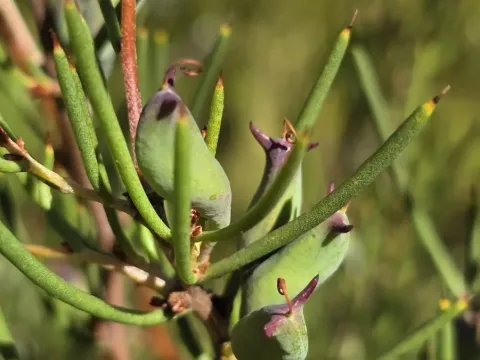
Small-fruited Hakea
Hakea microcarpa
Propagation of Hakea microcarpa in nurseries is most commonly performed via seeds, as this method ensures a genetically diverse pool of planting material.
What the section contains
Small-fruited Hakea
The seeds of the plant are encased in durable, woody follicles that naturally release seeds only when subjected to high heat, such as following forest fires.
In cultivation, gardeners use heat treatment or mechanical scarification of the seed coat to significantly improve germination rates prior to sowing.
The optimal time to begin sowing is in the spring, once air temperatures stabilize, which promotes active seed sprouting and root development.
For sowing, it is recommended to use a lightweight, well-draining substrate that mimics the nutrient-poor soils found in the plant's native habitat.
Small-fruited Hakea belongs to the Proteaceae family and is an evergreen shrub naturally distributed across temperate and mountainous regions of Australia.
The plant exhibits high adaptability to various conditions, although it thrives best in well-lit locations with direct sunlight exposure on its foliage.
The crop has specific soil requirements: the substrate must have excellent permeability, as waterlogging is detrimental to its sensitive root system.
The species is relatively frost-tolerant compared to other members of the genus, allowing it to be cultivated in regions with mild climates and occasional frosts.
During the active growth season, the shrub requires moderate watering; however, mature specimens can withstand short periods of drought without losing vigor.
The most significant threats to this species are fungal diseases that develop in conditions of high soil moisture and poor air circulation.
Root rot is a primary concern, as it can cause rapid decline and death of the shrub if irrigation practices are not strictly managed in protected environments.
Common pests include spider mites and mealybugs, which may attack young shoots and leaves when the plant is kept in greenhouse or indoor conditions.
Disease prevention relies on maintaining strict moisture control and ensuring adequate ventilation in the areas where the plants are situated.
It is also essential to maintain clean gardening tools to prevent the transmission of pathogens commonly associated with subtropical ornamental species.