
Hakea gibbosa
Hakea gibbosa
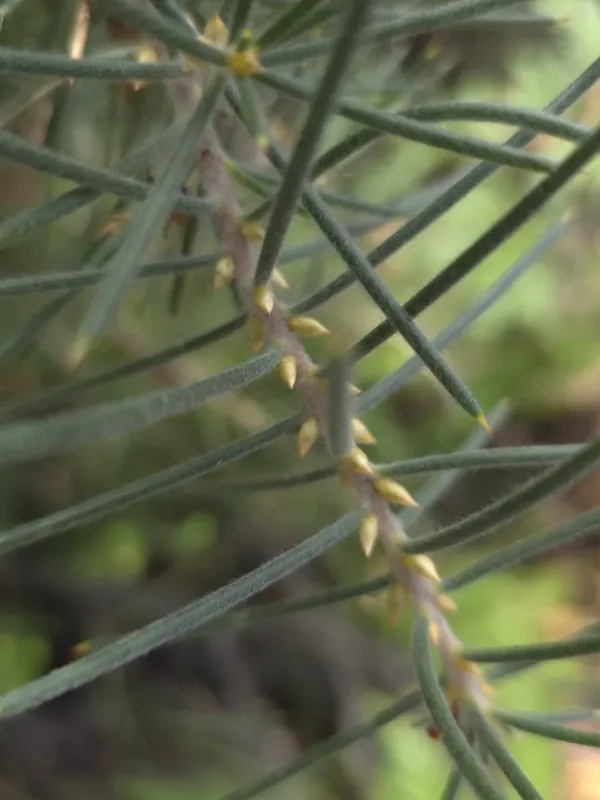
Description
Sowing dates
Hakea gibbosa is typically propagated from seed. Its seeds are protected within woody follicles that act as a natural mechanism to ensure survival in fire-prone ecosystems, releasing seeds only after exposure to high heat.
For cultivation, gardeners simulate these conditions by carefully heating the seed pods until they split. Once extracted, the seeds should be sown in a free-draining, sandy mix to prevent damping off during the sensitive germination phase.
Sowing depth should be minimal, usually around 5-10 millimeters, covered lightly with a layer of fine grit. The soil must remain slightly moist but never saturated, as excess moisture is the primary cause of seed failure.
Propagation can also be performed via semi-hardwood cuttings during late summer, though success rates are generally lower than those achieved through seeds. Cuttings require high humidity and rooting hormones to encourage development.
Young plants should be kept in well-ventilated nursery areas to prevent fungal outbreaks. Once the root system is established, the plants should be gradually acclimatized to full sun before transplanting into the field.
Growing requirements
Hakea gibbosa, a member of the Proteaceae family, is native to southeastern Australia. It is a rigid, evergreen shrub characterized by its sharp, needle-like leaves, which serve as a natural defense against herbivores.
The plant thrives in full sun exposure. It is highly adapted to nutrient-poor, acidic, and sandy soils, reflecting its natural habitat. It does not tolerate high-phosphorus fertilizers, which can be toxic to members of the Proteaceae family.
Climate requirements include mild winters and warm, dry summers. While it can withstand light frost, it is not suited for climates with prolonged, severe freezing temperatures or high humidity levels, which encourage foliage decay.
Drainage is the single most important factor for success. The planting site must have excellent drainage; heavy clay soils or areas that collect water are unsuitable and will likely lead to rapid plant decline.
Maintenance is minimal once the plant is established. It is inherently drought-tolerant, requiring irrigation only during extended dry spells or the first season after planting to ensure deep root penetration.
Main diseases and pests
The primary threat to Hakea gibbosa is Phytophthora root rot, a soil-borne pathogen. This disease thrives in waterlogged conditions and can destroy the root system of a healthy plant within a short period.
Pests such as scale insects may occasionally infest the dense branches. While usually not fatal, heavy infestations can weaken the plant, making it more susceptible to environmental stressors and secondary fungal infections.
Nutrient toxicity is a non-pathogenic threat that arises from human intervention. Over-fertilization, especially with standard nitrogen-phosphorus-potassium blends, can lead to foliage yellowing and tissue death, as the plant cannot process high nutrient levels.
Mechanical breakage caused by high winds or heavy snowfall can expose the plant to opportunistic pathogens. Pruning damaged branches back to healthy wood is recommended to maintain the plant's structural integrity.
Lack of airflow in garden settings can lead to mild powdery mildew on the foliage during exceptionally damp seasons. Ensuring adequate spacing between plants is the most effective preventative measure against these environmental threats.