
Hakea prostrata
Hakea prostrata
Description
Growing requirements
Hakea prostrata, commonly known as the harsh hakea, is a member of the Proteaceae family. Native to Western Australia, this species is well-adapted to varied environments ranging from coastal dunes to heathlands and stony hillsides.
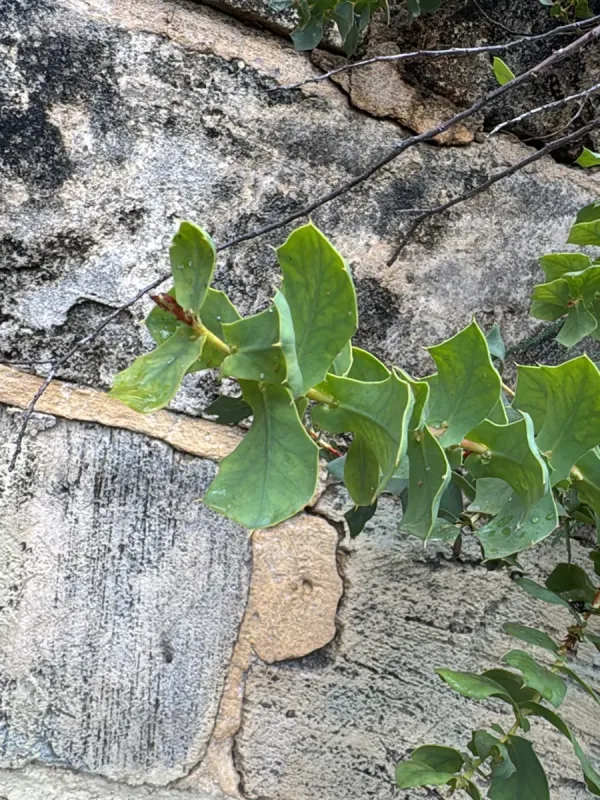
The plant exhibits a shrubby habit, often ranging from prostrate to erect forms that can reach up to 3 meters in height. It is highly valued for its distinct, stiff foliage which changes appearance as the plant matures, adding structural interest to gardens.
In terms of soil requirements, Hakea prostrata demands excellent drainage. It is a calcifuge and phosphorus-sensitive plant, meaning it thrives in poor, sandy, or rocky soils and requires minimal or no fertilization, especially with phosphorus-containing products.
Climate adaptation is a key strength of this species. It is highly drought-tolerant, making it an excellent choice for low-maintenance, water-wise gardening in regions with Mediterranean or semi-arid climates. It flourishes in full sun exposure.
Economically, its use is primarily ornamental, serving as a specimen plant or a component in native garden displays. Its dense growth provides habitat for small birds and wildlife, contributing to the health of the local ecosystem.
Main diseases and pests
The most significant pathological threat to Hakea prostrata is Phytophthora cinnamomi, a soil-borne water mold that causes root rot. This pathogen is notoriously difficult to control, making good soil drainage the primary line of defense.
Excessive humidity combined with poor airflow can encourage fungal infections on the leaves and stems. Maintaining proper spacing between plants ensures adequate ventilation and reduces the likelihood of such fungal outbreaks.
Certain insect pests, including leaf miners and aphids, may occasionally infest young growth. While these rarely threaten the survival of an established shrub, they can significantly affect the visual appeal of the foliage during the growing season.
Waterlogging at the base of the plant is another major threat, often resulting in sudden wilting and mortality. Ensuring that the planting site is slightly elevated or sloped can help mitigate the risk of crown rot.
Chemical control must be approached with caution. Many Proteaceae species, including this hakea, are sensitive to systemic fungicides and common herbicides, which can lead to phytotoxicity and severe damage to the plant tissue.