
Hakea arborescens
Hakea arborescens
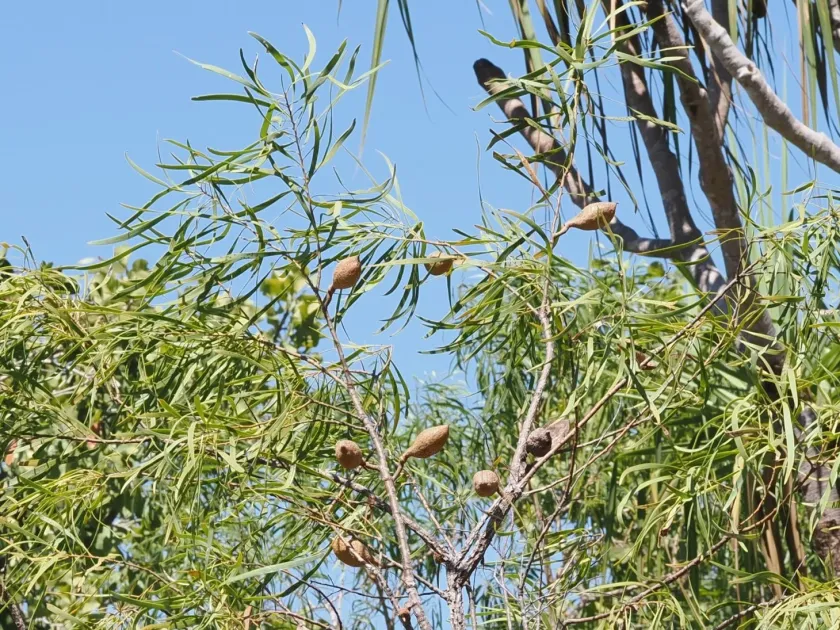
Description
Sowing dates
The propagation of Hakea arborescens is typically initiated by sowing seeds during the warmer months, ensuring the soil temperature is high enough for germination.
Seeds are known for their hard protective coats; therefore, it is advisable to scarify them lightly or soak them in lukewarm water before planting.
A sandy, well-draining seed-starting mix is essential to prevent moisture buildup that could lead to the decay of the seeds before they have a chance to sprout.
Once planted, containers should be kept in a bright location but shielded from harsh, direct afternoon sun to avoid scorching the young, fragile seedlings.
The time from sowing to transplanting requires patient observation, as the seedlings develop a robust taproot system that needs ample space to grow vertically.
Growing requirements
Hakea arborescens belongs to the Proteaceae family and is native to Australian landscapes characterized by poor, rocky, or sandy soils and low nutrient levels.
The plant thrives in full sun, which is necessary to maintain its architectural shape and promote healthy foliage growth throughout the vegetation cycle.
Low phosphorus fertilizers are critical, as the roots of this species are highly specialized and sensitive to high concentrations of standard chemical fertilizers.
Drainage is the most important factor in the cultivation of this species; the soil must be porous enough to allow water to pass through without lingering.
Temperature tolerance is moderate, with the plant performing best in warm climates and showing significant sensitivity to heavy, extended frost conditions.
Main diseases and pests
The most significant threat to Hakea arborescens is root rot, caused primarily by poor drainage or overwatering, which creates anaerobic conditions for the roots.
Fungal leaf spot diseases can occur during periods of high humidity or poor air circulation, requiring cultural practices such as pruning for better airflow.
Pests such as scale insects and mealybugs can occasionally infest the stems and leaves, extracting nutrients and causing secondary growth issues.
- Monitor plants for honeydew or sooty mold.
- Use systemic insecticides specifically formulated for woody shrubs.
- Ensure weeds are removed to minimize pest hiding spots.
Preventive maintenance is key, involving regular inspections of the plant's health and immediate removal of any dead branches to stop the spread of infection.