
Hakea baxteri
Hakea baxteri
Description
Growing requirements
Hakea baxteri, commonly known as the fan-leaved hakea, is a distinctive evergreen shrub belonging to the Proteaceae family. It is native to the southwest corner of Western Australia, thriving in nutrient-poor, sandy environments.
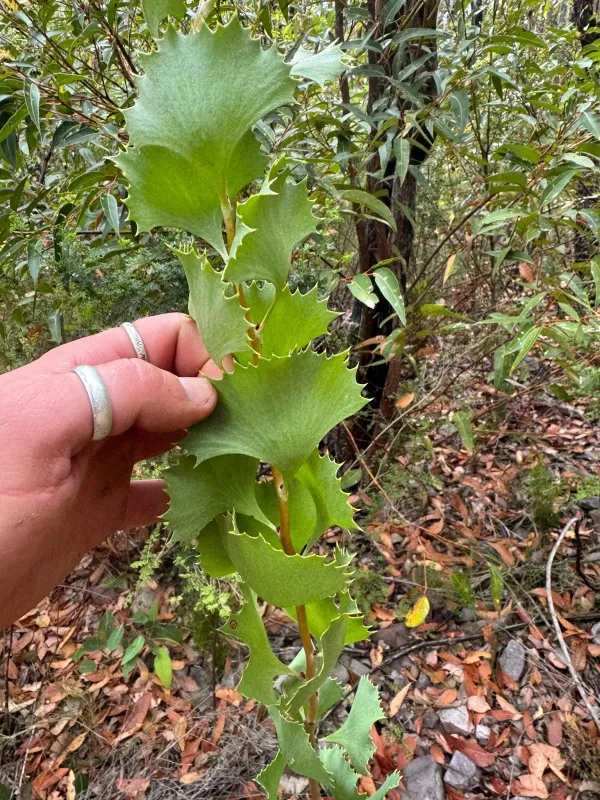
Botanically, the plant is famous for its unique, fan-shaped leaves that are deeply dissected. This architectural foliage makes it highly desirable for gardeners focused on xeriscaping or native Australian plant collections.
The species requires well-drained, sandy soils with low levels of phosphorus. Like many Proteaceae, the root system is highly sensitive to phosphorus toxicity, which should be considered when selecting fertilizers for the plant.
Climate requirements for Hakea baxteri include plenty of sunshine and protection from frost. It is exceptionally drought-tolerant once established and does not require regular irrigation once its root system has matured.
Its primary use is ornamental, often utilized in dry gardens or as a feature plant in landscapes that mimic Mediterranean conditions. The plant's unique structure provides a significant visual impact in both public and private gardens.
Main diseases and pests
The most significant threat to Hakea baxteri is root rot, typically caused by Phytophthora cinnamomi. This pathogen thrives in moist, poorly aerated conditions and can prove fatal to the shrub if drainage is inadequate.
Leaf-mining insects are the most common pests associated with this species. They create tunnels within the leaf tissue, which detracts from the plant's appearance but rarely leads to the death of the specimen if managed early.
Aphids may occasionally infest soft, new-growth shoots during the spring. While usually a minor issue, large infestations can stunt growth and should be managed using gentle horticultural oils or soaps.
Prevention is key in managing the health of this shrub. Ensuring that the planting site has excellent air circulation and that the plant is not overwatered will significantly reduce the risk of both fungal and insect problems.
Proper hygiene, such as using sterile tools during pruning and avoiding contaminated soil, is vital to prevent the spread of soil-borne pathogens. Monitoring for early signs of wilting or discolored foliage is recommended.