
Hakea propinqua
Hakea propinqua
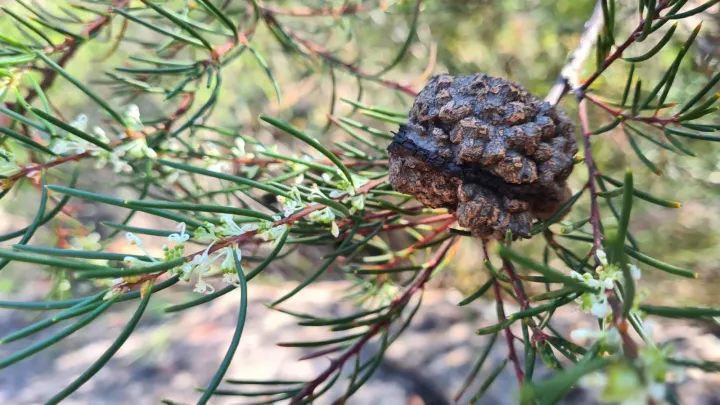
Description
Growing requirements
Hakea propinqua is a distinct evergreen shrub belonging to the Proteaceae family, native to the diverse landscapes of Australia. This woody species is well-adapted to environments where nutrient availability is limited and drainage is excellent.
The plant thrives in sandy or well-aerated soils. It is essential to ensure that the planting site offers superior drainage, as the roots are highly sensitive to moisture accumulation, which can cause physiological stress or root rot.
Regarding climate, Hakea propinqua prefers regions with moderate temperatures and a significant amount of sunshine. It is not typically frost-hardy, making it suitable for Mediterranean-type climates or controlled environments like greenhouses in cooler zones.
Agrotechnical maintenance requires minimal intervention. Watering should be deep but infrequent, allowing the soil to dry out between sessions. This mimics the natural rainfall patterns of its native habitat and promotes deep root development.
Fertilization must be approached with caution. Because many Proteaceae species have specialized root structures known as proteoid roots, they are extremely efficient at absorbing nutrients and can be damaged by standard synthetic fertilizers with high phosphate levels.
Main diseases and pests
Root rot caused by Phytophthora species is the most significant pathological threat to this culture. This fungus thrives in wet, heavy soils, making proper drainage the single most important factor in preventing plant loss.
Insect pests, including scale insects and mealybugs, may colonize the stems and foliage. These pests suck sap from the plant, leading to stunted growth, yellowing leaves, and in severe cases, the eventual death of the affected branch.
Environmental stress, particularly sudden cold snaps or excessive humidity, can render the shrub more susceptible to opportunistic pathogens. Monitoring the health of the foliage is crucial for early detection.
Fungal leaf spots can occur during periods of prolonged damp weather if air circulation within the canopy is insufficient. Regular pruning to maintain an open structure is an effective preventive measure.
To maintain plant health, it is advised to avoid overhead irrigation. Keeping the foliage dry significantly reduces the likelihood of fungal spore germination and ensures a healthier, more vibrant display of foliage throughout the growing season.