
Finschia
Finschia
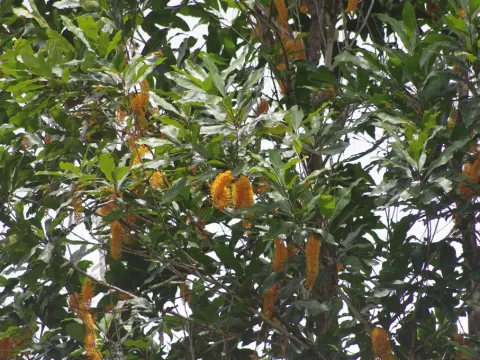
Finschia is a genus of evergreen trees belonging to the Proteaceae family, predominantly found in tropical forest ecosystems. These plants thrive in high-temperature environments and are highly sensitive to frost, making their successful cultivation restricted to warm, humid tropical latitudes.
What the section contains

Finschia
Optimal growth requires well-drained, nutrient-rich soils that prevent root saturation. Given their evolutionary background, these trees prefer environments with high atmospheric humidity and adequate rainfall, avoiding sites prone to waterlogging or anaerobic soil conditions.
Botanically, Finschia is characterized by its sclerophyllous leaves and intricate flower structures. The reproduction process relies on specialized pollinators, which underscores the importance of maintaining local biodiversity within or near agricultural plots to ensure effective fruit set.
Cultivation practices involve site-specific management, emphasizing the need for protective shade during early development stages. As the trees mature, they become more resilient, though consistent monitoring of soil nutrition is essential to maintain high-quality nut production.
Economically, Finschia is valued for its edible seeds, which are consumed locally and offer nutritional potential. While less common in global trade compared to other Proteaceae members, its development as a boutique agroforestry crop shows potential for sustainable tropical farming.
Root rot caused by soil-borne pathogens is a significant threat, often exacerbated by poor drainage or excessive irrigation. Implementing strict sanitary practices is vital for preventing the spread of fungal infections that can compromise the structural integrity of mature trees.
Various insect pests, including stem borers and fruit-feeding larvae, pose a recurring challenge to Finschia plantations. Management strategies typically favor integrated pest management (IPM) to minimize the impact on beneficial insect populations that provide essential pollination services.
Environmental stressors such as prolonged dry spells can weaken the trees, making them more susceptible to opportunistic diseases. Maintaining an optimal moisture balance through sophisticated irrigation and organic mulching is critical for plant vigor and overall orchard health.
Nutrient deficiency, particularly regarding micronutrients, can lead to chlorosis and stunted growth. Regular soil testing and balanced fertilization programs help sustain the physiological balance of the trees, ensuring they have the strength to resist biotic and abiotic pressures.
Weed management remains a fundamental aspect of plantation maintenance, especially in the early years of tree establishment. Keeping the base of the trees free from competitive vegetation ensures that the root system has access to available water and soil nutrients without unnecessary competition.