

Reference · Crops
Primulaceae
The Primulaceae family consists of numerous herbaceous species that are highly significant in global floriculture and nursery production. Known primarily for their vibrant blooms, these plants serve as essential crops in both commercial greenhouse environments and landscaping industries.
233
sections
What the section contains
 Primula
 L.
20 items
Primula
Primula L.
20 items
 Aegiceras
1 item
Aegiceras
Aegiceras
1 item
 Allioni's primrose
Primula allionii
Allioni's primrose
Primula allionii
 Alpine primrose
Primula alpicola
Alpine primrose
Primula alpicola
 Alpine rock jasmine
Androsace alpina
Alpine rock jasmine
Androsace alpina
 Alpine snowbell
Soldanella alpina
Alpine snowbell
Soldanella alpina
 Androsace adfinis
Androsace adfinis
Androsace adfinis
 Androsace albana
Androsace albana
Androsace albana
 Androsace chaixii
Androsace chaixii
Androsace chaixii
 Androsace chamaejasme
Androsace chamaejasme
Androsace chamaejasme
 Androsace delavayi
Androsace delavayi
Androsace delavayi
 Androsace elongata
Androsace elongata
Androsace elongata
 Androsace halleri
Androsace halleri
Androsace halleri
 Androsace lactea
Androsace lactea
Androsace lactea
 Androsace lactiflora
Androsace lactiflora
Androsace lactiflora
 Androsace mathildae
Androsace mathildae
Androsace mathildae
 Androsace maxima
Androsace maxima
Androsace maxima
 Androsace pubescens
Androsace raddeana
Androsace raddeana
Androsace pubescens
Androsace pubescens
Androsace raddeana
Androsace raddeana
 Androsace rotundifolia
Androsace rotundifolia
Androsace rotundifolia
 Androsace sarmentosa
Androsace sarmentosa
Androsace sarmentosa
 Androsace sempervivoides
Androsace sempervivoides
Androsace sempervivoides
 Androsace vandellii
Androsace vandellii
Androsace vandellii
 Androsace villosa
Androsace villosa
Androsace villosa
 Androsace vitaliana
Androsace vitaliana
Androsace vitaliana
 Apennine primrose
Primula apennina
Apennine primrose
Primula apennina
 Ardisia
 Sw.
5 items
Ardisia
Ardisia Sw.
5 items
 Ardisia
24 items
Ardisia
Ardisia
24 items
 Auricula primrose
Primula auriculata
Auricula primrose
Primula auriculata
 Austrian Soldanella
Soldanella austriaca
Austrian Soldanella
Soldanella austriaca
 Badula
3 items
Badula
Badula
3 items
 Balearic cyclamen
Cyclamen balearicum
Balearic cyclamen
Cyclamen balearicum
 Bayern's Primrose
Primula bayerni
Bayern's Primrose
Primula bayerni
 Bird's-eye primrose
Primula farinosa
Bird's-eye primrose
Primula farinosa
 Bird's-eye primrose (stricta)
Primula stricta
Bird's-eye primrose (stricta)
Primula stricta
 Blue pimpernel
Lysimachia foemina
Blue pimpernel
Lysimachia foemina
 Blunt-leaved rock jasmine
Androsace obtusifolia
Blunt-leaved rock jasmine
Androsace obtusifolia
 Bryocarpum
1 item
Bryocarpum
Bryocarpum
1 item
 Bullata primrose
Primula bullata
Bullata primrose
Primula bullata
 Bulley's primrose
Primula bulleesiana
Bulley's primrose
Primula bulleesiana
 Calder's Primrose
Primula calderiana
Calder's Primrose
Primula calderiana
 Candelabra primrose
Primula helodoxa
Candelabra primrose
Primula helodoxa
 Cape beech
Myrsine melanophloeos
Cape beech
Myrsine melanophloeos
 Chickweed wintergreen
Trientalis
1 item
Chickweed wintergreen
Trientalis
1 item
 Chinese primrose
Primula sinensis
Chinese primrose
Primula sinensis
 Ciliate rock jasmine
Androsace ciliata
Ciliate rock jasmine
Androsace ciliata
 Cilician cyclamen
Cyclamen cilicium
Cilician cyclamen
Cyclamen cilicium
 Clavija ornata
Clavija ornata
Clavija ornata
 Clusius primrose
Primula clusiana
Clusius primrose
Primula clusiana
 Coastal loosestrife
Lysimachia mauritiana
Coastal loosestrife
Lysimachia mauritiana
 Colchis cyclamen
Cyclamen colchicum
Colchis cyclamen
Cyclamen colchicum
 Coris
Coris
1 item
Coris
Coris
1 item
 Creeping jenny
Lysimachia nummularia
Creeping jenny
Lysimachia nummularia
 Creeping yellow loosestrife
Lysimachia procumbens
Creeping yellow loosestrife
Lysimachia procumbens
 Cretan cyclamen
Cyclamen creticum
Cretan cyclamen
Cyclamen creticum
 Cyclamen
 L.
5 items
Cyclamen
Cyclamen L.
5 items
 Cyclamen alpinum
Cyclamen alpinum
Cyclamen alpinum
 Cyclamen elegans
Cyclamen elegans
Cyclamen elegans
 Cyclamen hybrids
Cyclamen hybrids
Cyclamen hybrids
 Cyclamen maritimum
Cyclamen maritimum
Cyclamen maritimum
Marketplace
Products in this section · 11


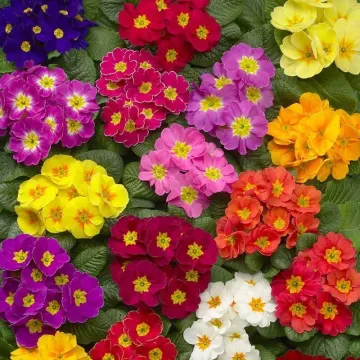


Primulaceae
Originating mostly in temperate regions of the Northern Hemisphere, these plants are well-adapted to cooler climates. Large-scale cultivation relies on controlled environmental conditions to ensure high-quality flower production, specifically focusing on photoperiod control and temperature regulation during the development phase.
Botanically, Primulaceae are identified by their basal leaf rosettes and umbel-like inflorescences. They require well-drained, nutrient-rich soils with consistent moisture levels. The root systems are often sensitive to compaction, necessitating the use of specialized, airy growing media for optimal yield.
Agrotechnical management involves careful irrigation scheduling and specialized fertilization programs. Because these crops are sensitive to root rot, maintaining an appropriate soil pH—typically slightly acidic—is vital to prevent nutrient lock-out and ensure healthy, uniform plant growth across the production cycle.
Integrated pest management (IPM) is crucial for controlling common threats like aphids, spider mites, and fungal pathogens such as powdery mildew. Maintaining proper ventilation and sanitation within the greenhouse is the primary method for preventing disease outbreaks and ensuring high marketability of the Primulaceae crops.