
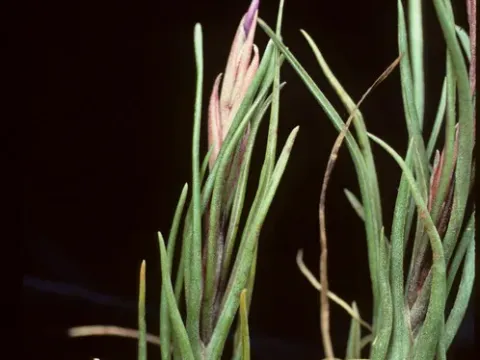
Portemea Ariza-Julia
x Portemea Ariza-Julia
The optimal sowing time for Portemea Ariza-Julia is dictated by local climate conditions, primarily requiring the soil temperature to stabilize around 10-12 degrees Celsius.
What the section contains
Portemea Ariza-Julia
Mid-spring is generally recommended for planting to ensure that the risk of frost, which can severely damage young hybrid seedlings, has completely passed.
When starting with transplants, seeds should be sown in a protected environment roughly 4-6 weeks before the intended date of field transfer.
Seeds should be buried at a depth of 2 to 4 centimeters to ensure they have sufficient contact with soil moisture for consistent and fast germination.
Utilizing high-quality, pre-treated seeds is a standard practice to protect young plants against soil-borne pathogens during their most vulnerable developmental phase.
This hybrid thrives in well-draining loamy soils with a neutral or slightly acidic pH, which facilitates efficient nutrient uptake by the root system.
Adequate sunlight is essential for this crop; planting in shaded areas can lead to etiolated stems and a significant decline in overall photosynthetic efficiency.
Consistency in moisture levels is paramount, as waterlogged soil can trigger root decay, while severe drought stress can permanently stunt the plant's growth.
Balanced fertilization throughout the vegetative stage is necessary to support the vigorous growth characteristics typical of this specific hybrid line.
Cultural practices such as regular inter-row cultivation help aerate the soil and control moisture evaporation, promoting deeper and stronger root development.
Maximum yield potential is realized by adhering to specific plant spacing guidelines that prevent overcrowding and intra-crop competition for resources.
Implementing intensive farming techniques, such as drip irrigation and targeted fertigation, has shown significant improvements in both yield quantity and quality.
Harvesting at the correct stage of maturity is critical for achieving a uniform product that meets market standards for size and overall appearance.
By preventing excessive plant density, farmers can ensure that each individual plant receives enough nutrients to fulfill its genetically determined growth capacity.
Staged harvesting allows producers to capture higher market prices while ensuring that the product remains fresh and marketable for a longer distribution period.
The primary threats include various fungal pathogens that flourish in high humidity or stagnant air conditions within the canopy of the growing plants.
Pests, particularly aphids and mites, pose a significant risk by weakening the plants and potentially acting as vectors for various viral diseases.
A successful defense strategy relies on early detection, proper crop rotation, and the judicious use of biological control agents or targeted chemical treatments.
Maintaining spatial isolation from related species is an effective method to prevent the rapid spread of specialized pathogens across the field.
- Regular field scouting is essential to identify and address pest outbreaks early.
- Removing crop debris immediately after harvest helps reduce the wintering population of pests.
- Using certified seeds reduces the initial pathogen load in the field.
Harvesting should be conducted under dry weather conditions to minimize the risk of post-harvest rot and maintain the integrity of the produce surface.
The use of sharp, sanitized cutting tools is required to ensure clean cuts, reducing the risk of accidental mechanical damage during the process.
Prompt cooling of the harvested product is essential to slow down metabolic rates and preserve the quality of the hybrid throughout the supply chain.
Proper sorting at the point of harvest allows for immediate classification of the product, which optimizes storage space and improves logistical efficiency.
Packing should be done using crates or containers that provide excellent air circulation to maintain the freshness and crispness of the collected harvest.