
Rhodoxis
x Rhodoxis B. Mathew
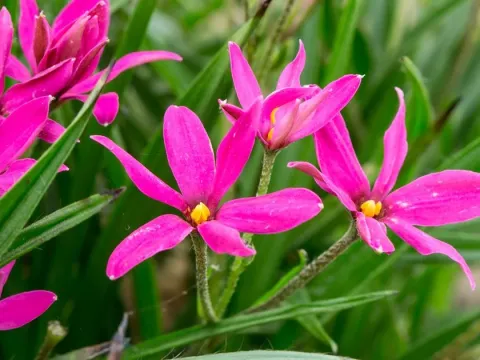
Rhodoxis (x Rhodoxis) is a remarkable intergeneric hybrid derived from the cross-breeding of Rhodohypoxis and Hypoxis species. Belonging to the Hypoxidaceae family, this ornamental plant is widely admired for its star-shaped flowers and its ability to bloom profusely throughout the summer months.
What the section contains

Rhodoxis
The origin of these plants is traced back to the mountainous regions of South Africa, which dictates their preference for specific light and temperature conditions. They thrive in environments where they receive abundant sunlight in the morning and early afternoon, followed by gentle shade to protect them from high heat intensity.
Soil requirements for Rhodoxis are strict regarding drainage. The root system is delicate and prone to rotting if moisture levels remain high for extended periods. A well-draining, gritty, and slightly acidic medium is essential for long-term survival, often requiring the addition of horticultural grit or coarse sand.
Cultivation practices revolve around moisture management and nutritional stability. During the active growing phase, regular but moderate watering is necessary. Once flowering concludes, watering should be reduced as the foliage begins to wither, signaling the plant's entry into a dormant phase which is critical for its biological cycle.
Rhodoxis is primarily used in landscaping and container gardening. Due to its petite size and slow-spreading nature, it is a perfect candidate for alpine gardens, troughs, and rockeries. Its decorative value makes it a staple for gardeners interested in South African bulbous perennials and unique floral displays.
The primary threats to Rhodoxis include various fungal infections, most notably root rot and basal rot. These conditions are typically caused by poor drainage or overwatering during cool periods, leading to the rapid decay of the underground corm.
Common garden pests such as slugs and snails represent a significant nuisance, particularly to the emerging foliage. In dry, stagnant air environments, spider mites can also infest the plants, causing yellowing of the leaves and a general decline in the plant's aesthetic and physiological health.