
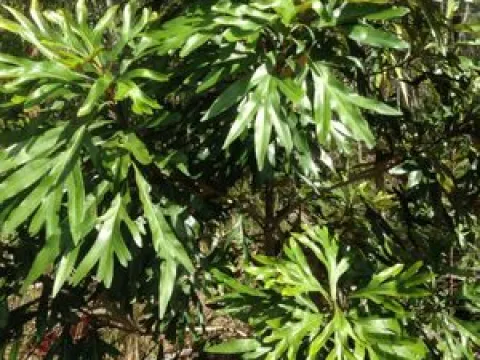
Heliciopsis
Heliciopsis
Heliciopsis is a genus of evergreen trees belonging to the Proteaceae family, native to the lush tropical and subtropical forests of Southeast Asia and Southern China.
What the section contains

Heliciopsis
These trees require a consistent tropical climate characterized by high temperatures and significant air humidity, making them unsuitable for regions with cold winters.
Soil requirements for optimal growth include a nutrient-rich, well-draining substrate with a slightly acidic pH, which mimics the natural forest floor conditions.
Light management is crucial, as the trees generally perform best under dappled sunlight; excessive direct exposure can scorch the foliage of young saplings.
Agricultural practices for Heliciopsis involve regular hydration, careful soil aeration to prevent compaction, and the application of organic amendments to sustain growth.
The economic value of Heliciopsis is primarily derived from its high-quality timber, which is sought after for carpentry and ornamental furniture production.
In silvicultural systems, yield is optimized by managing tree density, which ensures that each specimen has sufficient space to develop a straight and robust trunk.
Beyond timber, certain species within the genus are utilized in landscaping and horticultural projects due to their unique foliage and structural appearance.
Harvesting efficiency is tied to the long-term management of plantations, requiring careful scheduling to achieve the desired wood maturity and quality standards.
Secondary uses of the plant include local traditional applications, though these are typically secondary to the primary objective of wood production.
The main threats to Heliciopsis health include root rot pathogens, which are often exacerbated by poor drainage and waterlogged soil conditions in plantation settings.
Foliar diseases, including various leaf spot fungi, can significantly impair the photosynthetic capacity of the trees if not managed through proper canopy ventilation.
Pest pressures are primarily caused by sap-sucking insects like scales and aphids, which weaken the plant and serve as vectors for secondary infections.
Nematode infestations in the rhizosphere pose a substantial challenge to root development, often necessitating stringent soil quality control in nurseries.
Integrated pest management strategies are recommended to maintain plant vigor, combining biological control agents with selective, low-impact chemical interventions.