
Knightia
Knightia
Knightia is a genus of evergreen trees belonging to the Proteaceae family. Native primarily to New Zealand and New Caledonia, these trees are recognized for their distinct botanical structure and ecological significance within their native forest habitats.
What the section contains

Knightia
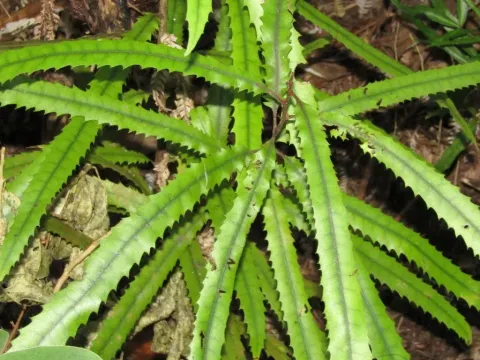
Botanically, the plant is characterized by tough, leathery, serrated leaves and unique inflorescences typical of the Proteaceae family. It is a slow-to-moderate growing species that provides significant ornamental value to gardens in suitable climate zones.
The cultural requirements for Knightia include well-drained, acidic soil rich in organic matter. Proper drainage is the most critical aspect of soil management, as the roots are highly susceptible to rot if water stagnation occurs.
The plant thrives in temperate climates with consistent moisture, though it requires protection from harsh, drying winds and extreme frost. Site selection should prioritize areas with filtered light or partial shade to ensure the leaves do not suffer from scorching.
In terms of agricultural and horticultural use, Knightia is primarily valued as an ornamental specimen for parks and private collections. Its aesthetic appeal, derived from its foliage pattern and structure, makes it a desirable addition to temperate landscape designs.
The main threats to Knightia cultivation are root pathogens such as Phytophthora, which thrive in waterlogged conditions. Maintaining proper soil structure and avoiding over-irrigation are essential prophylactic measures against these deadly infections.
Pests, particularly scale insects and mealybugs, may occasionally infest the foliage, especially in protected environments. Monitoring for early signs of infestation and ensuring good air circulation around the canopy helps maintain plant health.