
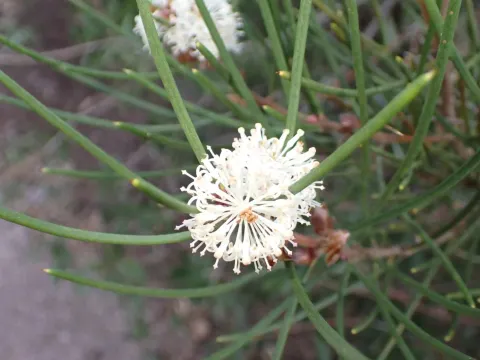
Hakea drupacea
Hakea drupacea
Propagation of Hakea drupacea is typically achieved through seeds or stem cuttings. The seeds are enclosed in tough, woody follicles that require heat treatment or long-term storage to open and release the seeds for sowing.
What the section contains
Hakea drupacea
When sowing seeds in a nursery or greenhouse, it is crucial to use a well-draining substrate. The optimal time for stratification and subsequent sowing is early spring, as the increasing day length significantly improves germination rates.
Cuttings are often preferred to preserve specific cultivar traits. Semi-hardwood cuttings should be taken in late summer, treated with rooting hormones, and planted in a lightweight sand-peat mix to facilitate healthy root development.
Strict temperature control is essential during the germination phase. Seedlings are particularly sensitive to temperature fluctuations, so maintaining a stable microclimate without exposure to drafts is vital for their survival.
After reaching one year of age, seedlings can be transplanted to their permanent location. Utilizing a container method before moving to the open ground allows the plant to adapt gradually to local soil conditions.
Hakea drupacea belongs to the Proteaceae family and naturally occurs in the nutrient-poor soils of Australia. Consequently, the plant is highly adapted to challenging soil environments, including sandy and rocky landscapes with low organic content.
The species has rigid drainage requirements: any waterlogging in the root zone is lethal to the plant. Sunny locations protected from strong, cold winds provide the most suitable conditions for healthy growth and flowering.
In terms of climate, Hakea favors a mild Mediterranean environment. While it can withstand brief light frosts, prolonged exposure to severe sub-zero temperatures can result in stem damage and potential plant death.
Soil pH is a critical factor for successful cultivation. Hakea thrives best in slightly acidic to neutral soils; therefore, the application of lime or other soil alkalizers is strongly discouraged for this specific crop.
During the growing season, the plant responds moderately to specialized fertilizers for Proteaceae. It is important to use low-phosphorus formulas, as the root system of this species is highly specialized for nutrient-deficient environments and sensitive to salt accumulation.
The primary threats to Hakea drupacea are fungal infections often triggered by improper moisture management. Root rot and Phytophthora are significant pathogens that affect the plant when soil drainage is insufficient.
Common pests include mealybugs and various species of scale insects. These pests feed on the sap of young shoots, causing leaf distortion and a general decline in the shrub’s overall health and vigor.
In greenhouses or densely planted areas, spider mite infestations can become problematic. Regular inspection of the undersides of leaves is recommended to detect early colonization and allow for prompt intervention with biological insecticides.
Leaf chlorosis is frequently observed when the plant is irrigated with hard water containing high levels of calcium, or when improper soil pH inhibits the uptake of essential micronutrients.
Maintaining high sanitary standards is necessary to prevent the spread of disease. This includes the timely removal of damaged branches and ensuring adequate airflow between plants to reduce humidity levels around the foliage.