
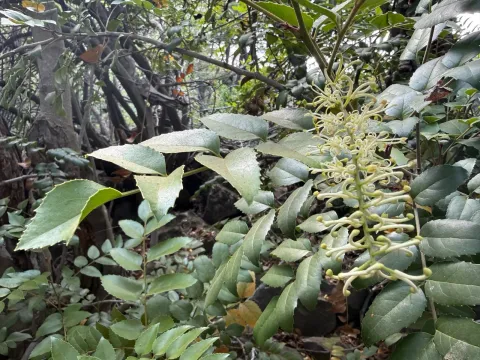
Gevuina
Gevuina
Gevuina (Gevuina avellana), commonly known as the Chilean hazelnut, is a distinctive evergreen tree belonging to the Proteaceae family. Native to the temperate rainforests of Chile and Argentina, it is a key species known for both its aesthetic value and high-quality nuts.
What the section contains

Gevuina
The plant thrives in regions with cool, humid climates and high precipitation. It prefers deep, well-drained, slightly acidic soils rich in organic matter. Waterlogging is detrimental to the plant's health, as it often leads to root rot in susceptible soil conditions.
In terms of agricultural management, Gevuina requires protection from harsh, desiccating winds that can damage its glossy foliage. It is generally hardy down to temperatures of -7°C, though young saplings require additional protection during severe winter spells.
The cultivation process involves careful site selection, usually prioritizing areas with good natural drainage. The tree is sensitive to soil compaction, so maintaining a loose soil structure through mulching or organic top-dressing is essential for optimal root development.
The economic value of Gevuina lies primarily in its edible nuts, which are highly prized for their unique flavor and fatty acid profile. The oil extracted from these nuts is increasingly used in the cosmetic industry for its excellent moisturizing and regenerative properties.
The primary threats to Gevuina plantations involve fungal pathogens that affect the root system, particularly Phytophthora species. Managing drainage and avoiding over-irrigation are critical steps in mitigating these risks to ensure the longevity of the orchard.
Pests such as defoliating insects can occasionally infest the trees during the warmer months. Integrated pest management strategies, focusing on biological controls and monitoring, are recommended to maintain tree health without relying on intensive chemical inputs.
Chlorosis is a common physiological disorder, often caused by nutrient imbalances in the soil. Frequent soil testing ensures that necessary micronutrients are available to the plant, maintaining the healthy green color of the leaves and supporting nut production.
Mechanical injuries to the trunk or branches can become entry points for various canker-forming fungi. Proper pruning techniques and the use of sanitizing tools are essential practices for any professional grower working with this species.
Environmental stress, such as prolonged drought or extreme temperature fluctuations, can weaken the trees and make them more susceptible to opportunistic diseases. Maintaining a consistent environment through irrigation and shelterbelts is key to successful production.