
Isopogon anethifolius
Isopogon anethifolius
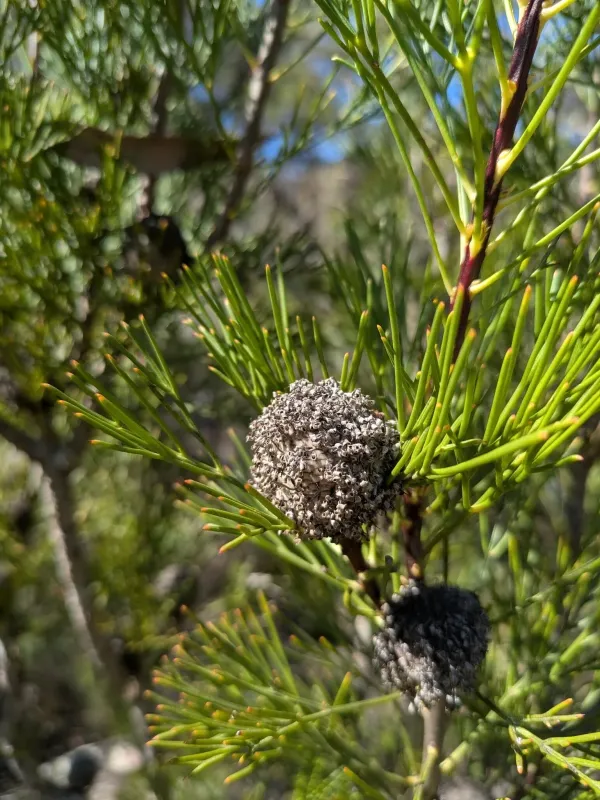
Description
Sowing dates
Propagation of Isopogon anethifolius is primarily achieved through seed germination or semi-hardwood cuttings. Seeds often require smoke treatment or heat-related stratification, mimicking the post-fire germination cycle characteristic of their natural environment.
When sowing seeds, use a gritty, well-draining substrate to prevent moisture retention. Light covering is sufficient, and maintaining a consistent, moderate moisture level is critical to avoid damping-off diseases during the sensitive germination phase.
Cuttings should be taken in late summer using semi-mature wood. Dipping the base in rooting hormone can significantly increase success rates, provided the cuttings are kept in a humid, temperate environment within a greenhouse setting.
Transplanting seedlings to their final location should be done once they have established a robust root system. Care must be taken not to disturb the roots, as they are fragile and do not recover well from mechanical stress during planting.
Establishing the plants requires a period of careful observation. Regular irrigation is necessary until the plant is fully acclimated, at which point it becomes remarkably resilient to dry conditions.
Growing requirements
Isopogon anethifolius, commonly known as the narrow-leaf drumsticks, is a member of the Proteaceae family native to eastern Australia. It is highly adapted to nutrient-poor, sandy, or rocky soils found in its native heathland habitats.
Drainage is the single most important factor for success. The plant cannot survive in waterlogged conditions, which lead to root rot. If the native soil is heavy or clay-based, planting in raised beds or containers is the standard agricultural recommendation.
Full sun is essential for optimal growth and flowering. While it can tolerate partial shade, insufficient light will lead to sparse foliage, stunted development, and a significant reduction in the production of its signature yellow flower heads.
This shrub is cold-tolerant but not frost-hardy in extreme climates. In areas prone to hard freezes, it is best kept as a container plant that can be moved indoors or protected during the harshest months of the year.
Fertilization must be approached with caution. Isopogon species are sensitive to phosphorus, which can be toxic to them. Always utilize fertilizers specifically formulated for Proteaceae to ensure healthy development without risking chemical injury.
Main diseases and pests
The primary threats to Isopogon anethifolius involve soil-borne pathogens. Phytophthora root rot is the most significant danger, often introduced through contaminated water or poor drainage systems that allow the fungus to proliferate.
Pests are generally limited, but occasionally, scale insects or aphids may appear on the tender new growth. Integrated pest management, focusing on early detection and biological control, is preferred over the use of harsh synthetic pesticides.
Fungal leaf spots can occur if airflow is poor and humidity levels remain consistently high for extended periods. Thinning out overcrowded branches through proper pruning can improve circulation and reduce the risk of infection.
Weed competition is a significant threat to young plants. Keeping the base of the shrub free of invasive weeds ensures that the plant does not lose essential nutrients and moisture, which is especially critical during its formative first year.
Excessive humidity combined with high temperatures can weaken the shrub's systemic defenses. Maintaining a balanced climate profile is the most effective way to prevent the majority of physiological and pathological issues.
Harvesting
The harvest of Isopogon anethifolius is primarily focused on the cut-flower trade. The distinct, drumstick-like yellow inflorescences are highly sought after for their longevity and unique structural aesthetic in professional floral designs.
Harvesting should occur when the flower heads are fully matured and open. Using sterilized shears, stems are cut at an angle to maximize water uptake, ensuring the cut material retains its vigor for as long as possible after being removed from the plant.
Post-harvest handling is critical for maintaining quality. The stems should be placed in cool, clean water immediately, and foliage should be removed from the lower portion of the stem that will be submerged to prevent bacterial buildup.
In landscape management, the harvest refers to the seasonal deadheading of spent blooms. This practice is vital to prevent the plant from diverting energy into seed production, thereby ensuring a more vigorous display in the following growing season.
Proper pruning after flowering also serves to maintain the shrub's compact shape. By removing up to one-third of the growth, growers can encourage denser branching, which leads to a higher yield of quality flower heads in subsequent years.