
Hakea oleifolia
Hakea oleifolia
Description
Growing requirements
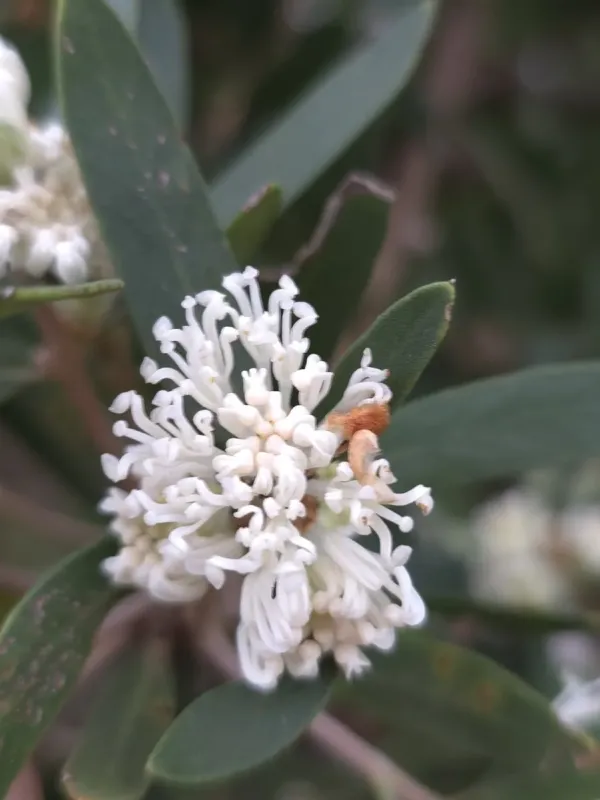
Hakea oleifolia is a remarkable evergreen shrub belonging to the Proteaceae family, native to the southwestern regions of Western Australia. It is well-adapted to the local mediterranean climate, thriving in harsh, sunlight-exposed environments.
The plant is distinguished by its olive-shaped, leathery foliage, which provides it with significant drought tolerance. It typically grows as a large shrub or a small tree, adding aesthetic value to wild landscapes and specialized gardens.
Regarding soil requirements, this species demands excellent drainage. It performs best in sandy or gravelly soils that are naturally low in phosphorus. Heavy clay soils are unsuitable, as they tend to hold water and induce root rot.
The plant requires full sun exposure to flourish and maintain its structural integrity. It is sensitive to frost and does not tolerate freezing temperatures for extended periods, making it suitable mainly for warmer geographic zones.
Agricultural management of Hakea oleifolia emphasizes minimal intervention. Irrigation should be applied with caution, especially during the establishment phase, while established plants are quite capable of surviving seasonal dry spells without supplemental water.
Main diseases and pests
Root rot caused by Phytophthora fungi is the most critical threat to Hakea oleifolia. This pathogen is prevalent in warm, moist soils and can quickly compromise the plant's health if drainage is not optimized.
Sap-sucking insects, including mealybugs and aphids, represent secondary threats. These pests are usually managed through ecological balance or targeted application of insecticidal soaps, although severe infestations are rare in healthy, vigorous specimens.
Nutrient toxicity, specifically phosphorus overdose, can severely damage the plant. Being a native to phosphorus-poor soils, the root system is highly efficient at absorbing nutrients, and excess fertilizer can lead to foliage yellowing and dieback.
Weed competition is a significant concern during the early growth stages. Since the root system is delicate, physical weeding should be done carefully to avoid damaging the feeder roots located near the surface.
Proper air circulation is essential for the long-term health of the shrub. Overcrowding in plantations or garden borders increases the humidity levels within the canopy, which fosters fungal growth and creates an environment favorable for pest colonization.