

Reference · Pests
Phylloxeridae
Systematic position: Grape phylloxera (Daktulosphaira vitifoliae) belongs to the order Hemiptera and the family Phylloxeridae. It is a tiny, aphid-like insect that represents one of the most significant threats to global viticulture, historically responsible for destroying vast areas of European vineyards.
45
items
What the section contains
 Phylloxera
82 products
Phylloxera
Phylloxera
82 products
 Grape phylloxera
Daktulosphaira vitifoliae
12 products
Grape phylloxera
Daktulosphaira vitifoliae
12 products
 Aphanostigma
Bark Phylloxera
Phylloxera corticalis
Chestnut phylloxera
Phylloxera castaneivora
Chestnut phylloxera
Phylloxera castaneae
Forest phylloxera
Phylloxera foveata
Georgian phylloxera
Phylloxera georgiana
Aphanostigma
Aphanostigma
Bark Phylloxera
Phylloxera corticalis
Chestnut phylloxera
Phylloxera castaneivora
Chestnut phylloxera
Phylloxera castaneae
Forest phylloxera
Phylloxera foveata
Georgian phylloxera
Phylloxera georgiana
 Grape phylloxera
Phylloxera devastatrix
Grape phylloxera
Phylloxera devastatrix
 Grape phylloxera
Daktulosphaira conicum
Grape phylloxera
Daktulosphaira conicum
 Grape phylloxera
Phylloxera foveola
Grape phylloxera
Phylloxera globosa
Grape phylloxera
Phylloxera perniciosa
Grape phylloxera
Phylloxera foveola
Grape phylloxera
Phylloxera globosa
Grape phylloxera
Phylloxera perniciosa
 Grape phylloxera
Phylloxera pilosula
Grape phylloxera
Daktulosphaira
Grape phylloxera intermediate
Phylloxera intermedia
Grape phylloxera
Phylloxera pilosula
Grape phylloxera
Daktulosphaira
Grape phylloxera intermediate
Phylloxera intermedia
 Hazelnut phylloxera
Phylloxera caryaeavellana
Hazelnut phylloxera
Phylloxera caryaeavellana
 Hickory leaf gall midge
Daktulosphaira notabilis
Hickory leaf gall midge
Daktulosphaira notabilis
 Hickory leaf phylloxera
Phylloxera caryaescissa
Hickory leaf phylloxera
Phylloxera caryaescissa
 Hickory leaf phylloxera
Phylloxera depressa
Iaksuiense phylloxera
Aphanostigma iaksuiense
Hickory leaf phylloxera
Phylloxera depressa
Iaksuiense phylloxera
Aphanostigma iaksuiense
 Italian phylloxera
Phylloxera italica
Italian phylloxera
Phylloxera italica
 Lesser phylloxera
Phylloxera minima
Lesser phylloxera
Phylloxera minima
 Oak leaf phylloxera
Phylloxera coccinea
Oak leaf phylloxera
Phylloxera coccinea
 Oak phylloxera
Phylloxera ilicis
Oak phylloxera
Phylloxera querceti
Oak phylloxera
Phylloxera quercina
Oak phylloxera
Phylloxera quercus
Oak phylloxera
Phylloxera ilicis
Oak phylloxera
Phylloxera querceti
Oak phylloxera
Phylloxera quercina
Oak phylloxera
Phylloxera quercus
 Pear phylloxera
Aphanostigma piri
Pear phylloxera
Aphanostigma piri
 Pecan leaf phylloxera
Phylloxera caryaefoliae
Pecan leaf phylloxera
Phylloxera caryaefoliae
 Pecan leaf phylloxera
Phylloxera caryaesepta
Pecan leaf phylloxera
Phylloxera rileyi
Pecan leaf phylloxera
Phylloxera caryaesepta
Pecan leaf phylloxera
Phylloxera rileyi
 Pecan leaf phylloxera
Phylloxera caryaegummosa
Pecan leaf phylloxera
Phylloxera caryaegummosa
 Pecan leaf phylloxera
Phylloxera caryaeglobuli
Pecan leaf phylloxera
Phylloxera caryaeglobuli
 Pecan phylloxera
Phylloxera caryaefallax
Pecan phylloxera
Phylloxera caryaefallax
 Pecan phylloxera
Phylloxera caryaecaulis
Phylloxera confusa
Phylloxera confusa
Phylloxera spinuloides
Phylloxera spinuloides
Pecan phylloxera
Phylloxera caryaecaulis
Phylloxera confusa
Phylloxera confusa
Phylloxera spinuloides
Phylloxera spinuloides
 Phylloxera symmetrica
Smooth phylloxera
Phylloxera glabra
Phylloxera symmetrica
Phylloxera symmetrica
Smooth phylloxera
Phylloxera glabra
 Spruce phylloxera
Phylloxera conifera
Spruce phylloxera
Phylloxera conifera
 Variegated phylloxera
Phylloxera picta
Walnut phylloxera
Phylloxera deplanata
Walnut phylloxera
Phylloxera rimosalis
Variegated phylloxera
Phylloxera picta
Walnut phylloxera
Phylloxera deplanata
Walnut phylloxera
Phylloxera rimosalis
 Walnut phylloxera
Phylloxera subelliptica
Walnut phylloxera
Phylloxera subelliptica
Marketplace
Products in this section · 12


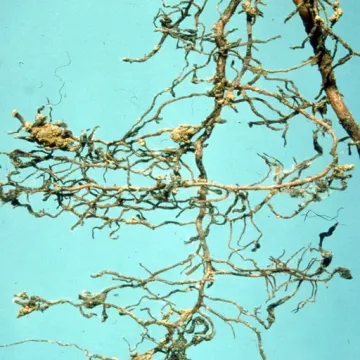

Phylloxeridae
Host plants: The primary host for this pest is the grapevine (genus Vitis). While American wild grape species have evolved some natural resistance to the root-feeding form of phylloxera, the European species Vitis vinifera is extremely susceptible, often suffering catastrophic damage when infested.
Biology and lifecycle: The lifecycle of phylloxera is complex, characterized by several life stages including root, leaf, nymph, and sexual forms. The root-feeding stage is the most destructive, living underground on the root system. Through parthenogenesis, the pest can reproduce rapidly, leading to multiple overlapping generations within a single growing season.
Nature of damage and severity: Phylloxera feeds on the roots of grapevines, injecting toxins that cause the formation of galls and swellings. These injuries disrupt the plant's ability to transport water and nutrients, making the roots vulnerable to secondary soil fungi and rot. Over time, the entire root system may collapse, leading to the decline and eventual death of the vine.
Control measures: The primary defense against phylloxera is the use of resistant rootstocks. Most commercial vineyards today are grafted onto American-derived rootstocks that possess the necessary tolerance to withstand the pest. Additionally, strict quarantine regulations and the use of certified, clean planting material are essential to prevent the spread of the insect to uninfested areas.
- Use of grafted resistant rootstocks.
- Strict adherence to plant quarantine.
- Implementation of certified clean nursery stocks.
- Integrated pest management in high-risk zones.