
Smooth phylloxera
Phylloxera glabra
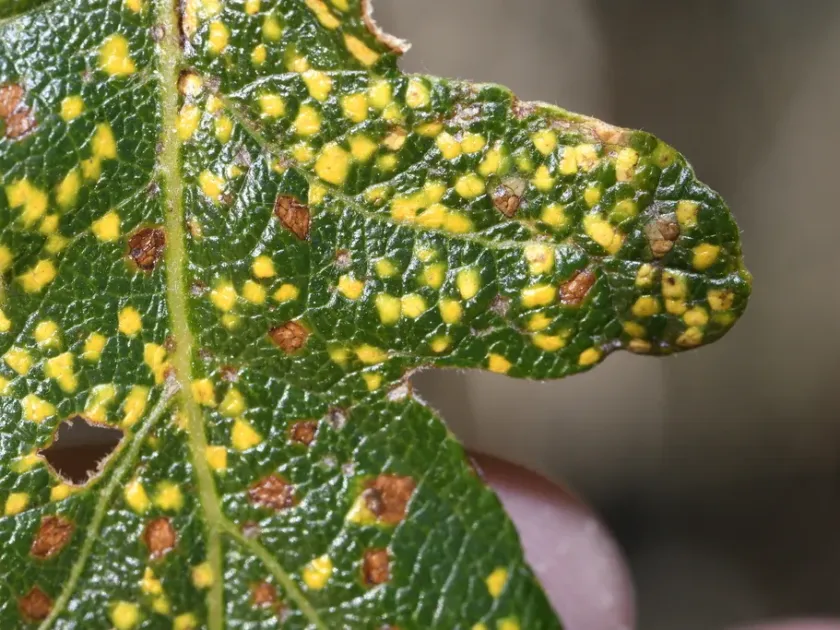
Description
How to identify
Smooth phylloxera (scientific name: Phylloxera glabra) is a member of the Phylloxeridae family within the order Hemiptera. These tiny insects, which are related to aphids, primarily exist in a root-dwelling form that is notoriously difficult to detect in vineyard soils without specialized training.
The adult form of the pest is oval-shaped and typically measures less than one millimeter in length. Its coloration varies from yellowish-green to brownish, allowing it to blend in with the root tissue or soil particles, which makes scouting for the insect a complex task for vineyard managers.
During its life cycle, the pest undergoes several larval stages. Each stage is equipped with a needle-like rostrum, which it uses to pierce the vascular tissue of grapevine roots to extract essential plant sap. This process is the primary cause of physiological stress in the host plant.
The development of the insect is highly dependent on soil temperature and moisture levels. In suitable environments, the population can expand rapidly, creating multiple generations throughout the growing season and establishing long-term infestations on the root systems of healthy grapevines.
Differentiation from other phylloxera species is based on specific morphological traits and feeding habits. As a highly specialized pest, it represents a significant economic risk to viticulture globally, requiring vigilant monitoring and integrated management strategies to prevent vineyard loss.
What it damages
Grapevines belonging to the genus Vitis are the exclusive hosts for the smooth phylloxera. The pest specifically targets the root system, causing severe injury to both young, active root tips and more mature roots, which are essential for the plant's water and nutrient uptake.
Feeding by the insects triggers a plant response characterized by the formation of galls or swellings on the roots. These malformations disrupt the flow of nutrients and water, effectively starving the vine and preventing it from meeting its physiological requirements for proper growth.
Over time, infested vines exhibit a decline in vigor, reduced shoot growth, and chlorosis of the leaves. As the root system deteriorates, the overall yield drops significantly, and the vine may eventually perish, leading to large patches of dead plants within a vineyard block.
Secondary pathogens, such as soil-borne fungi and bacteria, frequently colonize the damaged root tissues. This secondary infection accelerates the decay process, making it impossible for the plant to recover even if initial insect populations are partially suppressed by treatment methods.
One of the most dangerous aspects of this pest is the lag time between the initial infestation and the appearance of visible symptoms on the canopy. By the time the vine shows signs of distress, the root system is often severely compromised, necessitating plant removal and site replanting.
Control measures
The primary and most effective method for managing smooth phylloxera is the use of resistant rootstocks. Breeding programs have developed various rootstocks that offer high levels of tolerance or resistance to the insect, making them the standard choice for modern vineyard establishment.
Strict quarantine and phytosanitary protocols are essential to prevent the spread of the pest into non-infested areas. This includes the inspection and certification of all grapevine nursery stock before it is introduced into a new vineyard site to ensure it is free from the pest.
Cultural management practices include selecting appropriate soil types, as the pest's mobility is severely limited in sandy soils. Regular monitoring of root systems during the dormant season allows for early detection of potential outbreaks, enabling rapid intervention before the population spreads.
- Utilize resistant rootstocks for all new vineyard plantings.
- Enforce strict quarantine of imported vine nursery material.
- Perform routine diagnostic checks of root systems.
- Remove and destroy infested vines and treat the soil if necessary.
Chemical control of soil-dwelling phylloxera is difficult due to the depth of the insects and the inability of many systemic insecticides to reach the root zone effectively. Therefore, long-term vineyard health relies heavily on proactive prevention, site selection, and the use of resistant plant material.
Taxonomy
- Latin name
- Phylloxera glabra
- Order
- Hemiptera (bugs, aphids, leafhoppers)
- Family
- Phylloxeridae
- EPPO code
- PHYXGL
Discussion
No discussions yet — be the first.