
Oak phylloxera
Phylloxera ilicis
Description
How to identify
Oak phylloxera (Phylloxera ilicis) is a small insect belonging to the order Hemiptera and the family Phylloxeridae. It is a specialized pest that thrives by feeding on the sap of its host plants.
These insects are microscopic and often difficult to detect with the naked eye. Their bodies are typically yellowish or brownish, blending in well with the texture and color of the leaves.
The life cycle involves multiple stages, including eggs and nymphs, which typically reside on the foliage. The pest utilizes the host's nutrients to sustain its rapid development.
This species is specifically adapted to oak hosts, particularly evergreen oaks, which defines its ecological distribution and its persistence in various forest environments.
The population growth can be very rapid during favorable climatic conditions, thanks to its ability to reproduce both parthenogenetically and through sexual cycles.
What it damages
The primary host for this pest is the holm oak (Quercus ilex) and related oak species. The insect targets the leaves, where it establishes its feeding colonies.
By extracting sap from the leaf tissues, the insect disrupts the plant's metabolic functions, leading to significant physiological stress and reduced photosynthetic capacity.
The feeding process triggers the formation of galls, which are abnormal tissue growths. These structures serve as protection for the developing insects but severely distort leaf architecture.
Continuous nutrient extraction depletes the tree's energy reserves, leading to overall decline, stunted growth, and increased susceptibility to other environmental stressors.
Severe infestations can result in premature leaf drop, leading to sparse crowns and reducing the aesthetic and ecological value of the affected trees.
Signs of infestation
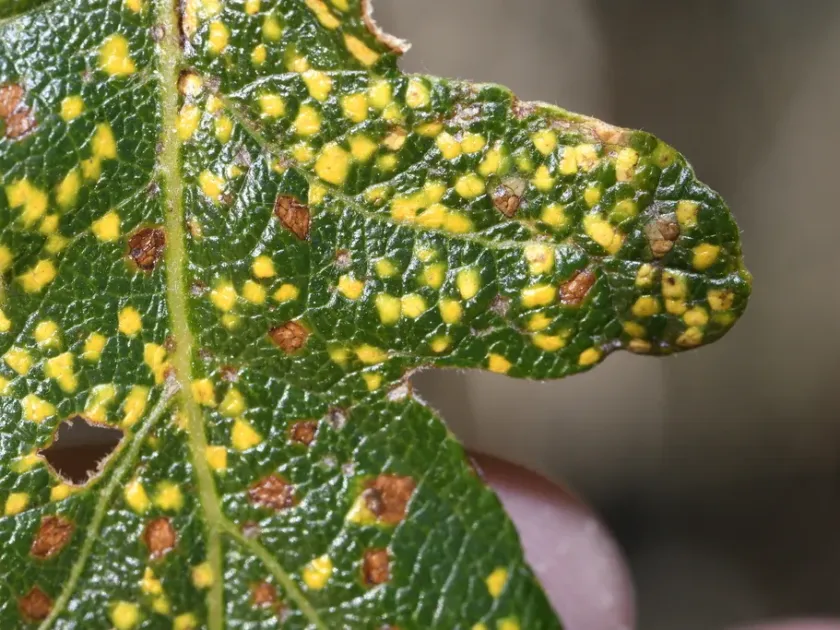
The most distinctive sign of infestation is the presence of leaf galls — swellings or abnormal growths that appear on the leaf surface as a reaction to the insect's feeding.
Infested leaves often become distorted, curled, or show chlorotic (yellowish) spots, which significantly hinder the plant's ability to produce energy.
A close inspection of the leaf undersides usually reveals small colonies of the pest or evidence of their activity within the galls themselves.
Premature leaf senescence and early defoliation in late summer or autumn are clear indicators that the infestation has reached a critical level of severity.
- Presence of diverse leaf galls and tissue swellings.
- Leaf distortion, curling, and discoloration.
- Chlorotic spots indicating loss of chlorophyll.
- Reduced vigor and stunted shoot development.
Control measures
Managing oak phylloxera primarily involves the use of systemic insecticides, which are absorbed by the plant and provide protection from the inside out against sap-feeding pests.
Timing is crucial: treatments should be applied during the early stages of leaf development to suppress the population before it causes widespread damage.
Sanitation practices, such as removing and destroying heavily infested plant material, are essential to reduce the local population and prevent further spread.
Biological control is highly effective in balanced ecosystems; encouraging natural predators like lady beetles and lacewings helps keep populations below the economic injury level.
Regular monitoring of tree health allows for early intervention, ensuring that control measures are implemented before the infestation becomes unmanageable.
Taxonomy
- Latin name
- Phylloxera ilicis
- Order
- Hemiptera (bugs, aphids, leafhoppers)
- Family
- Phylloxeridae
- EPPO code
- PHYXIL
Discussion
No discussions yet — be the first.