
Phylloxera symmetrica
Phylloxera symmetrica
Description
How to identify
Phylloxera symmetrica is a species of the Phylloxeridae family within the order Hemiptera. This microscopic insect is a specialized parasite of grapevines, exhibiting a complex life cycle characterized by morphological plasticity.
Adults possess specialized piercing-sucking mouthparts, which they use to feed on the vital sap of the plant. Identification is often difficult because most life stages are cryptic, hiding within galls or deep within the soil.
The taxonomic classification relies on detailed examination of the insect's morphology and its specific host-plant interaction. Researchers track the population by analyzing both aerial leaf galls and root-inhabiting forms.
Detection in commercial vineyards requires trained personnel and standardized sampling techniques. The pest is highly adapted to the host environment, making it a persistent challenge for agriculture.
Continuous monitoring programs are essential for early detection, particularly in regions where the pest is considered an emerging threat to local viticulture industries.
What it damages
The primary host for Phylloxera symmetrica is the genus Vitis. The insect causes severe physiological damage by feeding on both the roots and leaves of the grapevine, disrupting nutrient transport.
Root damage is particularly devastating, as it involves the formation of swellings known as nodosities and tuberosities. These lesions impede the plant's ability to absorb water and minerals from the soil.
Leaf-feeding forms create galls, which significantly reduce the photosynthetic capacity of the vine. This leads to weakened vine vigor, reduced berry quality, and long-term decline in yield.
In addition to direct damage, the entry points created by the insect act as access portals for secondary pathogens, including fungi and soil-borne bacteria that exacerbate root decay.
Failure to implement adequate management can lead to the systemic collapse of entire vineyard blocks within a few seasons, causing substantial financial losses.
When it appears
The life cycle of Phylloxera symmetrica is closely linked to the grapevine's phenology. Activity typically resumes in spring when temperatures become conducive to the development of early-season nymphs.
Throughout the growing season, multiple generations may occur, with population levels fluctuating according to climate and the availability of succulent plant tissue.
As winter approaches, the insect transitions to a resting stage. In the soil, they can survive at significant depths, remaining protected from freezing temperatures until the next spring.
The highest rates of reproduction occur during the warmer months. Understanding the peak activity periods is critical for applying control measures when the pest is most vulnerable.
Data on seasonal population dynamics allow growers to schedule prophylactic treatments effectively, reducing the need for high-frequency chemical applications.
Signs of infestation
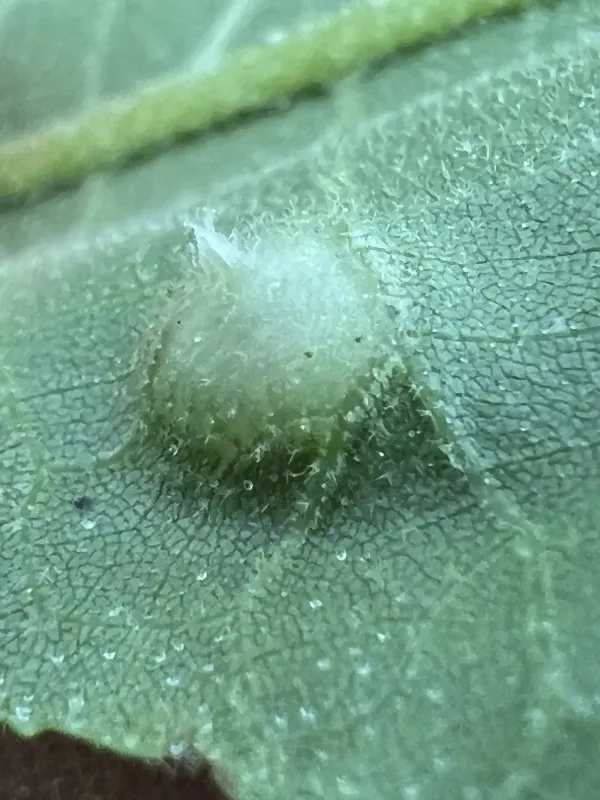
The most visible sign of an infestation is the appearance of small, round galls on the undersides of grapevine leaves, which are caused by the leaf-inhabiting form of the pest.
Below the surface, stunted growth and hook-shaped swellings on the root tips are clear indicators of root-feeding activity. These signs are often accompanied by reduced canopy vigor and chlorosis.
In advanced cases, infested vines show poor shoot growth, yellowing leaves, and premature leaf drop. These symptoms are a result of the vine's impaired capacity to feed itself.
Clusters of dying vines in a vineyard, often referred to as "decline zones," typically indicate that the pest has established a significant population within the root system.
Laboratory diagnostic tests, including soil analysis and root tissue examination, are necessary to differentiate these symptoms from abiotic stresses such as nutrient deficiencies.
Control measures
The most effective strategy for managing Phylloxera symmetrica involves planting vines grafted onto resistant rootstocks. This is the cornerstone of sustainable viticulture in infested regions.
Strict quarantine protocols are essential to prevent the spread of the pest through contaminated nursery stock. Movement of plants from infested zones must be tightly regulated.
Integrated Pest Management (IPM) incorporates regular vineyard surveys, sanitation practices, and the removal of severely affected vines to slow the spread of the infestation.
Chemical control can be achieved through the application of systemic insecticides that target the insect at critical developmental stages. These products must be applied in accordance with regional regulations.
- Utilizing certified Phylloxera-resistant rootstocks.
- Implementing rigorous phytosanitary inspection protocols.
- Performing seasonal field scouting for gall and root symptoms.
- Applying recommended systemic insecticides during active growth.
- Properly disposing of infested plant material through removal and burning.
Taxonomy
- Latin name
- Phylloxera symmetrica
- Order
- Hemiptera (bugs, aphids, leafhoppers)
- Family
- Phylloxeridae
- EPPO code
- XEROSY
Discussion
No discussions yet — be the first.