
Walnut phylloxera
Phylloxera subelliptica
Description
How to identify
The walnut phylloxera (lat. Phylloxera subelliptica) belongs to the order Hemiptera and the family Phylloxeridae. It is a microscopic insect that is often overlooked until significant damage occurs.
The adult insects are very small, resembling tiny aphids, with oval-shaped bodies that are typically light yellow, green, or brown, making them difficult to spot on foliage.
The life cycle of this pest is complex and polymorphic, often involving multiple generations that can switch between different parts of the host plant throughout the growing season.
Reproduction occurs both sexually and parthenogenetically, which allows the population to expand rapidly during warm, favorable weather conditions.
These pests overwinter primarily as eggs, which are well-protected in bark crevices or under bud scales, ensuring high survival rates despite freezing temperatures.
What it damages
The main host for this pest is the walnut tree (Juglans regia), though it can affect other related species within the nut-producing family.
Phylloxera feeds on the plant sap, puncturing the epidermis of leaves and young shoots, which depletes the tree's nutrient reserves and weakens its overall physiological state.
Severe infestations lead to the deformation of leaves and shoots, significantly impairing the tree's ability to photosynthesize effectively and thrive.
The areas damaged by the pest often become entry points for secondary infections, such as fungi or bacteria, which can cause long-term harm to the tree's bark and internal structure.
Ultimately, a high density of phylloxera leads to premature leaf drop, reduced nut quality, and diminished yields in commercial walnut orchards.
When it appears
The pest's activity typically begins in early spring as soon as buds start to break, marking the transition of larvae from winter sites to fresh leaves.
Peak infestation occurs during the summer months when warm, dry weather creates ideal conditions for the rapid multiplication and dispersal of the insect population.
The most critical window for observing damage is between late May and July, corresponding to the peak of the species' reproductive cycle.
As temperatures begin to drop in the autumn, the insects move to sheltered locations to lay their overwintering eggs for the next cycle.
If autumn remains unseasonably warm, the activity may extend, leading to a larger number of eggs being laid for the following year.
Signs of infestation
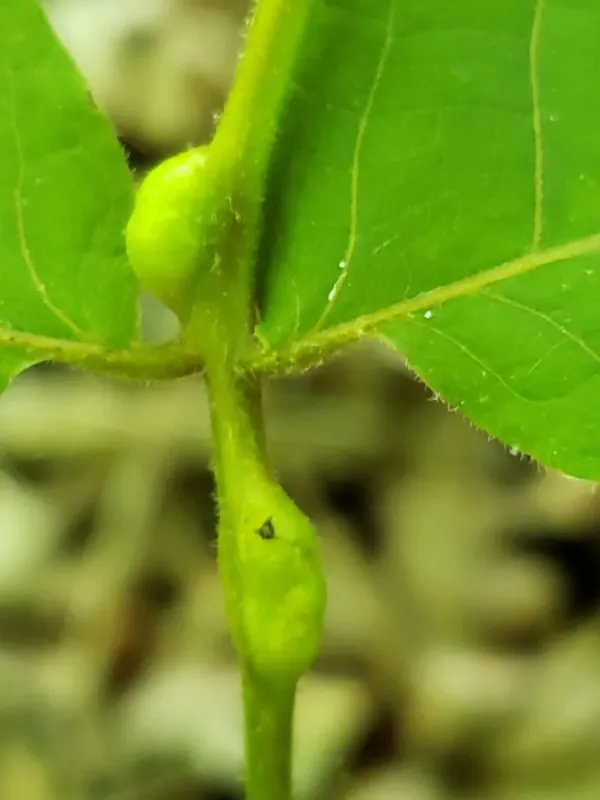
The primary sign of infestation is the emergence of small galls or yellow spots on the undersides of leaves, which are localized responses to the insect's feeding.
- Characteristic swelling and gall formation on leaf tissues.
- Curling or twisting of the leaves.
- Chlorosis (yellowing) of leaves due to the disruption of chlorophyll production.
- Premature leaf drop in mid-summer.
- Stunted growth of new shoots and overall tree lethargy.
Control measures
Managing walnut phylloxera requires an integrated approach, combining chemical intervention with sound cultural practices to maintain orchard health.
Systemic insecticides should be applied early in the spring, just as the buds open, to target the emerging larvae before they can establish protected colonies.
Sanitation is vital; growers should remove and burn infested leaves and debris to eliminate the primary sources of overwintering eggs.
Biological control methods, including the use of entomopathogenic fungi, offer a sustainable way to suppress populations without harming beneficial pollinators in the orchard.
Consistent monitoring and providing optimal nutrition to the trees help maintain vigor, making the walnut trees more resilient to damage and less attractive to pest colonization.
Taxonomy
- Latin name
- Phylloxera subelliptica
- Order
- Hemiptera (bugs, aphids, leafhoppers)
- Family
- Phylloxeridae
- EPPO code
- XEROSU
Discussion
No discussions yet — be the first.