
Hickory leaf phylloxera
Phylloxera caryaescissa
Description
How to identify
Hickory leaf phylloxera (Phylloxera caryaescissa) is a member of the Phylloxeridae family within the order Hemiptera. These are tiny, aphid-like insects that specialize in causing gall formations on the leaves of specific host trees.
The insect possesses specialized mouthparts that allow it to inject saliva into plant tissues during feeding. This chemical reaction triggers the host plant to grow a gall that encloses the insect.
The lifecycle is complex, involving both sexual and asexual stages. This reproductive flexibility allows the population to expand rapidly during the growing season under favorable conditions.
Overwintering occurs primarily in the egg stage, hidden deep within the rough bark crevices of the host tree. When spring temperatures rise, the nymphs emerge to initiate new gall formation.
Due to their minute size, identifying the insects themselves is difficult without professional equipment, so practitioners rely on the presence of leaf galls as a key diagnostic indicator.
What it damages
The primary hosts for Phylloxera caryaescissa are trees in the genus Carya, particularly hickory and pecan trees. The insect exclusively targets the young foliage during its active growth phase.
Gall formation consumes significant metabolic energy from the tree. As the number of galls increases, the leaf's surface area available for photosynthesis is severely diminished, hindering energy production.
Heavy infestations can lead to premature leaf drop, which puts the tree under significant physiological stress. This exhaustion reduces the tree's ability to store reserves for the coming winter.
Young trees are particularly vulnerable, as repeated annual attacks can stunt their growth and lead to irregular branch development, compromising the tree's overall structure and health.
Additionally, the damaged leaf tissue and the interior of the galls create an environment susceptible to secondary infections by fungi or bacteria, potentially leading to leaf blight.
When it appears
Activity commences in early spring, synchronized with the bud break of host trees. The overwintered stem mothers move to young leaves to begin feeding and initiating the galls.
The peak period for gall development spans from late spring through early summer. During these weeks, the insect completes multiple generations within the protective environment of the galls.
Mid-summer marks the climax of the infestation. At this point, the leaves may be covered in dozens or hundreds of galls, causing noticeable wilting or curling of the foliage.
As autumn approaches and temperatures decline, the insects move from the leaves back onto the branches and trunk. They search for protected spots in the bark to lay eggs for the winter.
Climate factors such as persistent moisture and moderate temperatures during the spring months create ideal conditions for high-density colonization across the orchard canopy.
Signs of infestation
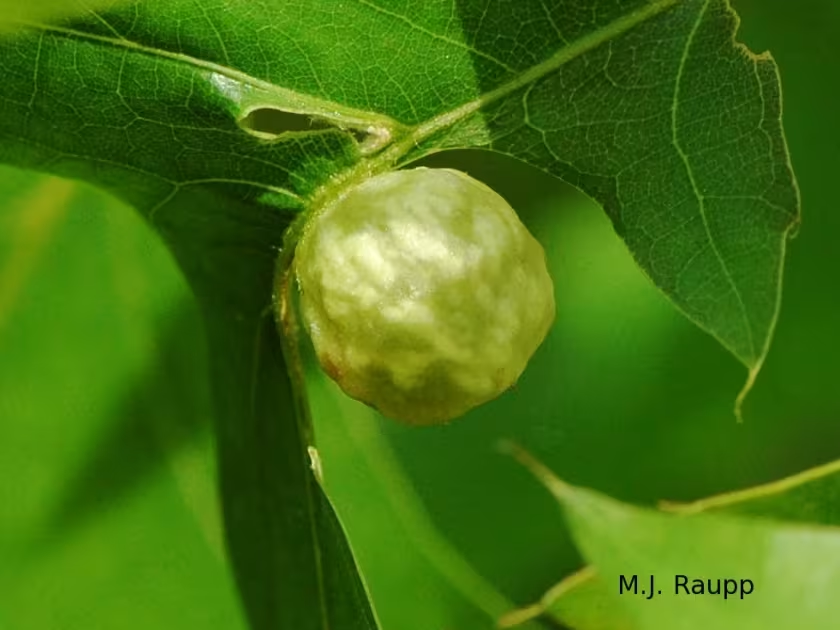
The most prominent sign of infestation is the presence of numerous galls on the leaf surface. These appear as small, bumpy outgrowths that can vary in color from pale green to deep red.
Deformed, curled, or stunted leaves are common symptoms. In severe cases, the entire leaf blade may become twisted, making it impossible for the plant to properly orient itself toward the sun.
Careful inspection of the leaf underside or breaking open a fresh gall will reveal the presence of small, soft-bodied insects or their larvae, often surrounded by small amounts of frass or debris.
Yellowing of the leaves around the gall sites, known as chlorosis, is another frequent indicator of localized tissue distress caused by the insect's persistent feeding.
Reduction in annual nut production is a classic long-term symptom. When a tree is chronically infested, its inability to produce sufficient carbohydrates leads to poor nut set and reduced kernel quality.
Control measures
Effective management requires a proactive approach, as treatment becomes significantly more difficult once the insects are encased within the protective galls on the leaves.
Sanitation is a vital first step, which includes the removal of infested debris and dead leaves from the orchard floor to reduce the number of overwintering sites for the next season.
Recommended control strategies include:
- Applying systemic insecticides in early spring, precisely as the buds start to open but before the galls fully form.
- Using horticultural oils during the dormant winter season to smother overwintered eggs on the bark.
- Promoting overall tree vigor through adequate irrigation and nutrient management to increase host resistance.
- Encouraging natural predators, such as lady beetles, lacewings, and predatory mites, which can help regulate insect populations.
Regular monitoring of the orchard is essential. By tracking emergence dates every year, growers can optimize the timing of treatments to achieve maximum protection with minimum chemical use.
Taxonomy
- Latin name
- Phylloxera caryaescissa
- Order
- Hemiptera (bugs, aphids, leafhoppers)
- Family
- Phylloxeridae
- EPPO code
- XEROCS
Discussion
No discussions yet — be the first.