

Description
Symptoms
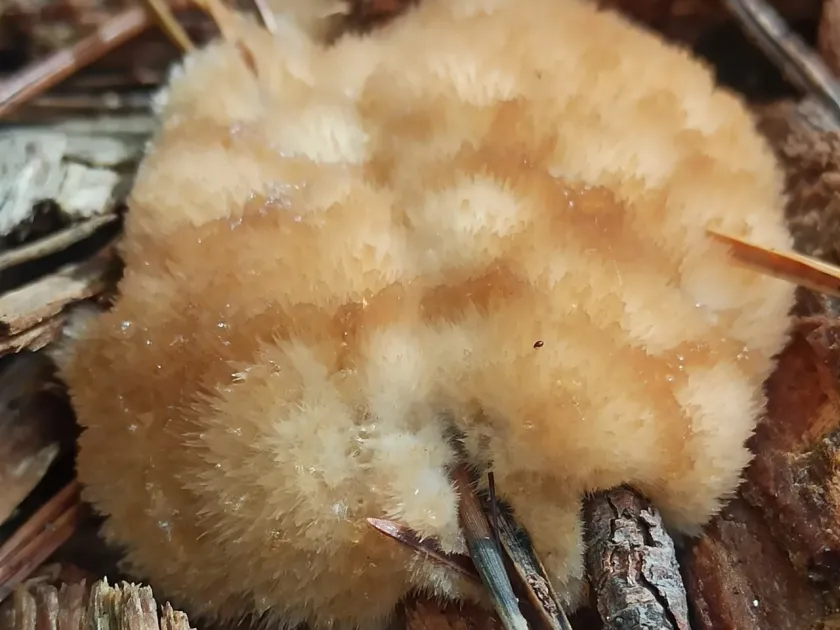
The most distinctive sign is the appearance of white, pinkish, or gray mycelial mats on the plant surface immediately after the snow melts in the spring.
Infected leaves and stems often become matted together, appearing water-soaked, slimy, and eventually rotting as the fungus breaks down the plant cellular structures.
In lingonberries, the fungus causes blight-like symptoms where shoots turn brown and are covered in fungal growth, leading to premature death of the stems.
For Cattleya orchids, the infection manifests as soft rot in the pseudobulbs and roots, often accompanied by foul-smelling discoloration.
Left untreated, the infection rapidly spreads from one plant to another, resulting in large, bare patches on lawns or the total loss of greenhouse plant batches.
Pathogen
Snow mold is a disease caused by psychrophilic fungi, most notably species within the Fusarium genus. The term Ptychogaster is historically associated with specific structural forms of these fungi.
The pathogen is highly specialized in infecting plant tissues during cold, wet conditions, making it particularly dangerous in regions with long, persistent snow cover.
It spreads through fungal spores (conidia) and mycelial fragments, which can persist in the soil or on decaying plant debris throughout the summer months.
The fungus thrives by exploiting the insulation provided by snow, which keeps the temperature near the ground surface slightly above freezing.
Various hosts are susceptible, including turfgrasses, lingonberry (Vaccinium vitis-idaea), and sensitive greenhouse species such as Cattleya orchids.
Conditions for development
The primary prerequisite for a snow mold outbreak is prolonged snow cover on non-frozen soil, which prevents the ground from cooling down.
The fungus is active at temperatures near 0°C to 5°C, an environment where most competing microorganisms are inactive or dormant.
High humidity in the crown area of plants, caused by poor drainage or excessive mulching, provides the perfect microclimate for mycelial growth.
Excessive nitrogen fertilization late in the autumn encourages succulent, rapid growth that is highly vulnerable to fungal invasion during the winter.
Dense, overgrown vegetation allows the pathogen to travel easily between plants, accelerating the spread of the disease across the entire area.
Why it matters
Snow mold causes significant agricultural losses, particularly in winter cereals, where widespread infection may require expensive re-seeding in the spring.
For turfgrass managers, the disease creates unsightly brown patches, requiring manual repair, re-sodding, and intensive chemical treatments to restore health.
In ornamental and berry production, the disease reduces overall yield by damaging vegetative buds and weakening the plant's ability to produce fruit or flowers.
For sensitive indoor plants like Cattleya, the disease can be fatal if it reaches the rootstock, making it a critical threat to nursery collections.
Chronic infestation makes the soil unsuitable for susceptible crops, requiring long-term management strategies to reduce the inoculum levels.
Protection
Preventative fungicide applications in late autumn, just before the first permanent snowfall, are the most effective way to manage the disease.
Cultural practices such as late-season mowing of turfgrass and the removal of fallen leaves or debris help reduce the availability of food sources for the fungus.
Improving soil drainage and aeration prevents the accumulation of excess moisture, which is necessary for the mycelium to thrive during the winter.
Using resistant cultivars and avoiding over-application of nitrogen in the fall significantly increases a plant's natural resistance to snow mold infection.
If infection is spotted, sanitizing the affected areas, removing dead tissue, and applying targeted fungicides can save the remaining plant stock.
In brief
2
Affects crops
Biology
Pathogens and affected parts
Affected plant parts
whole plant
Content graph
Affects crops · 2
Content graph
Connections · Snow mold
Most often together:
Marketplace
Products · 286
All 286
Rye 92
Fungicides 76
Wheat 50
Triticale 34
Insecticides, Acaricides 7
Fescue 6
Festulolium 4
Bentgrass 4
Cranberry 3
Ryegrass 2
Herbicides, Desiccants 2
Barley 2


RUSHNIK
ФГБНУ Федеральный Аграрный Научный Центр Северо-востока имени Н.В. Рудницкого
Rye
0
0
·
57
No offers
—
Details


Community
Discussion
No discussions yet — be the first.