
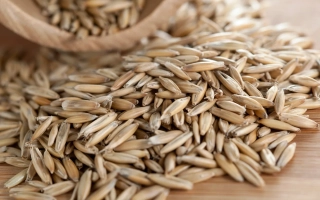


SKU #47257
·
63 views
Rye
Rye
User rating
0 votes0% positive reviews
No ratings yet — be the first.
Type
Winter barley
Registration year
2003
Store offers · 1 from 1 stores
Prices are updated on loadLoading offers…
Available at: agrokraj-com-ua
Aggregator catalog: prices are collected automatically from store websites, normalized by AI and converted at the current exchange rate. Before ordering, confirm the price and availability on the store's website. This block is not indexed by search engines — the data is loaded after the page opens.
About product

A reliable winter rye variety with high resistance to major rust diseases and snow mold.
Type
Winter barley
Registration year
2003
Description
Stability for Polissya Fields
Winter rye "Klych" is a choice for agronomists who prioritize predictable results and minimal risks during difficult winters. Bred by the Institute of Agriculture of Polissya (UAAS), this variety is adapted to local soil specifics and climate fluctuations, making it a reliable workhorse for intensive farming.
Agronomic Resilience in the Field
When it comes to field operations, "Klych" demonstrates high performance consistency. Its main advantage is its genetic resistance to pathogens. This significantly reduces the budget required for fungicide treatments against the most aggressive threats:
- Snow mold: The variety emerges from winter with excellent plant density, even after prolonged cold periods.
- Brown rust: Provides a robust barrier against leaf area loss.
- Stem rust: Protects the crop from lodging and structural damage during the grain-filling phase.
Operational Efficiency
For the operator, this variety is advantageous as it minimizes the need for "emergency" agronomic adjustments. The rye exhibits excellent tillering, allowing for optimized seeding rates without compromising productive stand. The crop responds well to standard fertilization schedules, does not require specialized harvesting equipment, and shows predictable ripening dynamics. In the Polissya region, "Klych" has proven to be a resilient crop that recovers well from minor deviations in sowing dates due to its strong starting potential.
Crop & resistance
Crop
Disease resistance
Specifications hover over for a hint about the specification
|
Type
Type
Galia (Galia) type — relatively new, of Israeli origin, although there are indications that this variety may originate from Spain. The fruits of this type are round or oval, weighing about 1 kg. The surface is smooth, covered with a delicate, connected netting, turning yellow whe... |
|
|---|---|
| Registration year | 2003 |
| Catalog | Catalog → Rye |
| Legal data |
Show · 1
|
| Country | Ukraine |
Not yet комментариев. Be the first!


See also
Often considered together with this variety




Recently viewed
Products you’ve viewed on this site
Reviews · 0