

Reference · Diseases
Rots (fungal)
Plant rots are a group of destructive diseases affecting crops globally, triggered by fungi, bacteria, or oomycetes. Common pathogens such as Fusarium, Phytophthora, and Erwinia break down cellular structures, leading to the decay of stems, roots, fruits, or tubers. These pathogens are often soil-borne, making them persistent threats in various agricultural systems.
327
items
What the section contains
 Erostrothecosis
Erostrotheca
Erostrothecosis
Erostrotheca
 Eurotiales
Eurotiales
Eurotiales
 Eurotiomycetidae
Eurotiomycetidae
Eurotiomycetidae
 Eurotium
Eurotium
Eurotium
 Eurotium chevalieri
Eurotium chevalieri
Eurotium chevalieri
 Eurotium echinulatum
Eurotium echinulatum
Eurotium echinulatum
 Eurotium herbariorum
Eurotium herbariorum
Eurotium herbariorum
 Eurotium repens
Eurotium repens
Eurotium repens
 False tinder fungus
Phellinus igniarius
False tinder fungus
Phellinus igniarius
 Fibrous root rot
Perenniporia subacida
Fibrous root rot
Perenniporia subacida
 Fig rust
Cerotelium fici
Fisheye rot
Butlerelfia eustacei
Fig rust
Cerotelium fici
Fisheye rot
Butlerelfia eustacei
 Fusarium head blight
Fusarium sporotrichioides
Fusarium head blight
Fusarium sporotrichioides
 Fusarium root rot
Gibberella zeae
Fusarium root rot
Gibberella zeae
 Gangrene of potato
Boeremia foveata
Gangrene of potato
Boeremia foveata
 Ganoderma root rot
Ganoderma zonatum
Ganoderma root rot
Ganoderma zonatum
 Ganoderma root rot
Ganoderma philippii
Ganoderma root rot
Ganoderma philippii
 Geotrichum rot
Galactomyces geotrichum
Gilbertella rot
Gilbertella persicaria
Ginseng root rot
Diporotheca rhizophila
Geotrichum rot
Galactomyces geotrichum
Gilbertella rot
Gilbertella persicaria
Ginseng root rot
Diporotheca rhizophila
 Gliocladium rot
Gliocladium roseum
Gliocladium rot
Gliocladium roseum
 Golden oyster mushroom
Pleurotus citrinopileatus
Golden oyster mushroom
Pleurotus citrinopileatus
 Gray ear rot of corn
Botryosphaeria zeae
Gray ear rot of corn
Botryosphaeria zeae
 Gummy stem blight
Stagonosporopsis caricae
Havanensis microtia
Microthia havanensis
Gummy stem blight
Stagonosporopsis caricae
Havanensis microtia
Microthia havanensis
 Heart rot
Oxyporus latemarginatus
Hendersoniosis of mango
Hendersonia creberrima
Heterotrichea
Heterotrichea
Heterotrichida
Heterotrichida
Holly leaf spot
Microthyrium ilicinum
Heart rot
Oxyporus latemarginatus
Hendersoniosis of mango
Hendersonia creberrima
Heterotrichea
Heterotrichea
Heterotrichida
Heterotrichida
Holly leaf spot
Microthyrium ilicinum
 Hull rot of almond
Rhizopus spp.
Hull rot of almond
Rhizopus spp.
 Idriella root rot
Idriella lunata
Idriella root rot
Idriella lunata
 Impatiens necrotic spot virus
Impatiens necrotic
Internal rust spot of potato
Carbohydrate translocation
Impatiens necrotic spot virus
Impatiens necrotic
Internal rust spot of potato
Carbohydrate translocation
 King trumpet mushroom
Pleurotus eryngii
King trumpet mushroom
Pleurotus eryngii
 Kretzschmaria deusta
Kretzschmaria deusta
Kretzschmaria deusta
 Laminated root rot
Phellinus weirii
Leaf sheath necrosis
Nectria foliicola
Laminated root rot
Phellinus weirii
Leaf sheath necrosis
Nectria foliicola
 Lethal stem rot of coconut palm
Marasmiellus cocophilus
Lethal stem rot of coconut palm
Marasmiellus cocophilus
 Macrotyphula blight
Macrotyphula
Macrotyphula fistulosa
Macrotyphula fistulosa
Macrotyphula blight
Macrotyphula
Macrotyphula fistulosa
Macrotyphula fistulosa
 Maize chlorotic dwarf
Maize chlorotic
Maize chlorotic dwarf
Maize chlorotic
 Maize necrotic streak
Maize necrotic
Mallotus rust
Mesniera rottlerae
Maize necrotic streak
Maize necrotic
Mallotus rust
Mesniera rottlerae
 Marasmius rot
Marasmius
Meliola protiicola
Meliola protiicola
Marasmius rot
Marasmius
Meliola protiicola
Meliola protiicola
 Microstoma protracta
Microstoma protracta
Microstoma protracta
 Microthecium
Microthecium fimicola
Microthecium fimicola
Microthecium masonii
Microthecium masonii
Microtheliopsidaceae
Microtheliopsidaceae
Microtheliopsis
Microtheliopsis
Microthecium
Microthecium
Microthecium fimicola
Microthecium fimicola
Microthecium masonii
Microthecium masonii
Microtheliopsidaceae
Microtheliopsidaceae
Microtheliopsis
Microtheliopsis
 Microtheliopsis uleana
Microthia
Microthia
Microthyriaceae fungi
Microthyriaceae
Microtheliopsis uleana
Microtheliopsis uleana
Microthia
Microthia
Microthyriaceae fungi
Microthyriaceae
 Microthyriales
Microthyriales
Microthyriales
 Microthyrium
Microthyrium
Microthyrium
 Monosporascus root rot of melon
Monosporascus spp.
Monosporascus root rot of melon
Monosporascus spp.
 Mucor rot
Mucor spp.
Mucor rot
Mucor spp.
 Mucor rot
Mucor mucedo
Mucor rot
Mucor mucedo
Marketplace
Products in this section · 12





Rots (fungal)
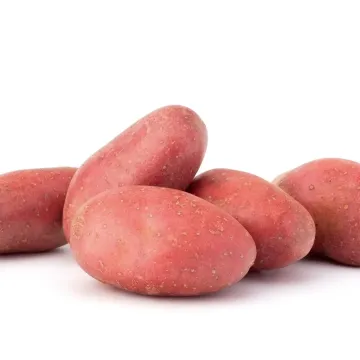
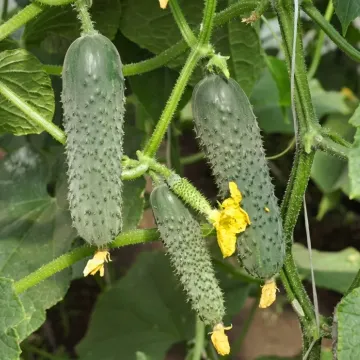
Virtually all cultivated plants are susceptible to one or more types of rot, including cereals, vegetables, fruits, and ornamental plants. The impact is significant not only during the growth phase, where it causes damping-off or wilting but also post-harvest. Rot-induced losses in storage can reach devastating levels, often ruining the economic value of an entire seasonal yield.
Symptoms typically involve tissue softening, discoloration, foul odors, and the visible presence of mold or mycelial growth. As the infection progresses, roots may decay entirely, causing the plant to wither and eventually collapse. Fruit rots often present as sunken, dark lesions that gradually spread to cover the entire surface, potentially mummifying the affected tissue.
The spread of these diseases is heavily dictated by environmental factors, particularly excessive soil moisture, high humidity, and poor aeration. Warm temperatures often accelerate the growth of fungal pathogens. Furthermore, physical damage from pests, weather events, or poor cultivation practices creates easy entry points for bacteria and fungi to colonize the host plant tissue.
Effective management requires an integrated approach that focuses on prevention. Key strategies include planting resistant varieties, practicing strict crop rotation, and ensuring good field drainage. Chemical control, including seed treatments and targeted fungicide applications, is essential in high-pressure areas. Maintaining proper hygiene in storage facilities is also critical to prevent disease spread after harvest.
- Use of certified disease-free seeds
- Optimizing irrigation systems
- Regular soil health monitoring
- Strategic fungicide application
- Sanitation of storage areas