
Eurotium herbariorum
Eurotium herbariorum
Description
Symptoms
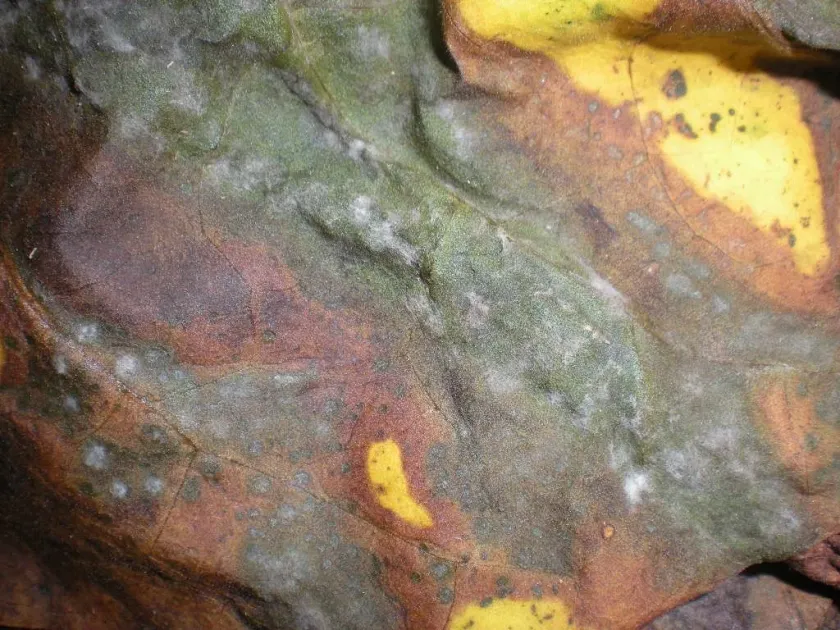
The most visible symptom of an Eurotium herbariorum infection is the formation of a dusty, yellowish-green to olive-colored mold growth on the surface of seeds or stored plant materials.
Microscopic examination reveals the presence of numerous spherical, bright yellow to brown cleistothecia, which give the affected surface a granular or gritty appearance.
Affected batches of grain or produce often emit a distinct musty or earthy odor, which serves as a common warning sign for facility managers and grain handlers.
In seeds, the infection manifests as a reduction in seed coat integrity, discoloration of the embryo, and a significant drop in overall seed germination rates and vigor.
When the infection spreads in bulk storage, the plant material may clump together due to the dense mycelial mat, leading to localized heating and further degradation of the pile.
Pathogen
Eurotium herbariorum is an ascomycete fungus and the teleomorph stage of the well-known Aspergillus glaucus. It is classified as a xerophilic storage mold, capable of thriving in environments with relatively low moisture levels.
The fungus produces sexual reproductive structures called cleistothecia, which are small, closed fruit bodies containing asci. These structures make the pathogen highly resistant to environmental stress and allow it to persist in dry storage conditions.
It acts as an active saprotroph, decomposing organic matter such as grain, oilseeds, and processed plant products. It is considered one of the primary indicators of poor storage management in agriculture.
The mycelium often exhibits a characteristic greenish or yellowish coloration, which distinguishes it from other common fungal contaminants found in agricultural warehouses.
Biological studies highlight its unique ability to produce secondary metabolites, some of which are classified as mycotoxins, contributing to the deterioration of the nutritional quality of the substrate.
Conditions for development
The fungus is highly dependent on the moisture content of the substrate; it can initiate growth at moisture levels as low as 13-14%, where many other fungi would remain dormant.
The optimal temperature range for the development of Eurotium herbariorum is typically between +20 and +30 degrees Celsius, which is common in poorly ventilated silos during the summer or autumn months.
Inadequate airflow within storage facilities creates pockets of stagnant, humid air, which are the primary catalysts for rapid fungal proliferation and colonization of the grain.
Mechanical damage to seeds during harvesting and handling significantly increases the vulnerability of the crop to infection, as the fungus easily enters through small fissures in the pericarp.
Poor sanitation practices, such as failing to remove debris, dust, or residual grain from previous seasons, provide a continuous source of spores that infect new, healthy product batches.
Why it matters
The economic impact of this pathogen is primarily observed through post-harvest losses, where affected grain loses its market value and becomes unsuitable for human consumption or processing.
The production of mycotoxins presents a serious health risk, as these toxic compounds can accumulate in grain and be transferred to livestock through contaminated feed, leading to animal health issues.
For seed producers, Eurotium herbariorum is devastating because it destroys the germ of the seed, resulting in total loss of viability and the failure of crop establishment in the field.
The metabolic activity of the mold generates metabolic heat, which causes the grain pile to self-heat, potentially leading to fires or severe spoilage due to secondary invasion by thermophilic microbes.
Additional costs are incurred for cleaning, drying, and treating infected batches, which rarely return to high-quality standards once the fungal colonies are well established.
Protection
Strict moisture management is the most effective preventive measure; drying grain to below 13% moisture content effectively suppresses the development of Eurotium herbariorum.
Ensuring proper aeration and ventilation in storage silos prevents the accumulation of heat and humidity, which are essential for the survival and spread of the mold.
Regular disinfection of storage facilities, equipment, and transportation vehicles using professional-grade fungicides is crucial for breaking the cycle of spore contamination.
Implementing a regular monitoring schedule to check for temperature spikes, moisture levels, and odors in stored grain allows for early detection and intervention before the spread becomes uncontrollable.
The use of approved seed treatment fungicides provides a protective barrier, reducing the risk of seed decay during storage and ensuring better performance during the planting season.
Discussion
No discussions yet — be the first.