
Rozites
Rozites
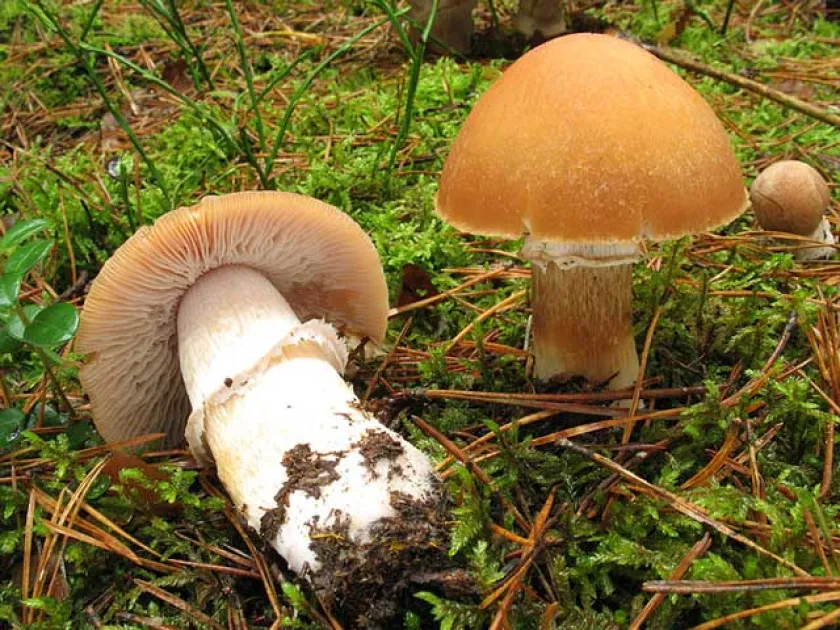
Description
Pathogen
The genus Rozites, widely known for species such as Rozites caperatus, is not a plant disease but a group of fungi.
Modern taxonomic research has reclassified many Rozites species into the Cortinarius genus, known as the webcaps.
These organisms are strictly non-pathogenic and operate primarily through symbiotic mycorrhizal associations with woody plants.
They do not invade living plant tissue to extract nutrients, unlike true rusts, blights, or wilt-causing fungi.
Recognizing them as part of the natural forest ecosystem helps prevent unnecessary confusion with crop-damaging pathogens.
Conditions for development
Growth conditions for these fungi involve acidic, moist, and organic-rich environments typically found in forest landscapes.
The presence of specific host trees is essential, as the fungus relies on these trees to form a mycorrhizal network for development.
Seasonal patterns, specifically high humidity during late summer and autumn, are critical triggers for fruiting body production.
Soil structure, specifically the presence of leaf litter and undisturbed topsoil, supports the longevity of the fungal mycelium.
Unlike parasitic pathogens, they do not require specific host vulnerability or stress to proliferate within a forest stand.
Why it matters
There is no economic or physiological damage caused by Rozites to agricultural or horticultural plant species.
These fungi do not compete with crops for nutrients in a way that would inhibit plant growth or yield production.
Misidentifying beneficial or neutral forest fungi as plant diseases can lead to wasted resources on improper pesticide application.
The presence of these fungi indicates a healthy and biologically active soil ecosystem rather than a site of infection.
The main risk associated with this genus is human error in mushroom foraging due to potential confusion with toxic species.
Protection
No protection or eradication measures are required for Rozites because they are not plant pathogens.
Good agricultural practice focuses on managing actual plant diseases such as fungal blights, viral infections, or nutrient deficiencies.
Monitoring for symptoms like leaf spots or root rot is recommended, but these will not be caused by members of the Rozites genus.
Protecting the biodiversity of the surrounding area is generally more beneficial than attempting to remove fungal organisms from the soil.
When in doubt, consult mycological guides to distinguish between mycorrhizal forest fungi and destructive plant pathogens.
Discussion
No discussions yet — be the first.