
Eurotium chevalieri
Eurotium chevalieri
Description
Symptoms
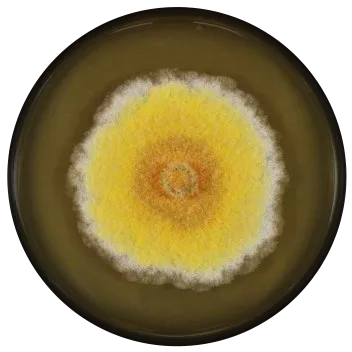
The first sign of infection is the appearance of a characteristic coating on the surface of seeds or fruits, which changes color over time from white to bright yellow or greenish-brown.
Affected produce acquires a specific musty odor that cannot be removed by further processing. When examined under a microscope, numerous spherical structures are visible.
Discoloration occurs in the tissues of infected plants, often with visible darkening of the grain embryo. In severe cases, conidia dusting is observed upon the slightest mechanical disturbance.
The material may lose its natural shiny surface, becoming dull and lifeless. The texture of the affected areas becomes loose, and the hardness of the seed coat decreases.
Symptoms often appear in patches, which is associated with local increases in humidity within the grain pile or containers. Internal fruit tissues may decay, losing nutritional value.
Pathogen
The causative agent of the disease is the microscopic fungus Eurotium chevalieri, which belongs to the division Ascomycota. In its anamorph stage, this pathogen is known as Aspergillus chevalieri.
This fungus is a typical representative of xerophilic molds, capable of developing under low humidity conditions where most other microorganisms perish. It forms characteristic yellow or brownish fruiting bodies known as cleistothecia.
Reproduction occurs asexually through conidia, which are easily dispersed by air currents over significant distances. The fungus possesses high adaptability to various substrates.
The biology of the pathogen is closely tied to the disruption of storage conditions for agricultural produce. It can penetrate deep into the tissues of plant material, using enzymes to break down complex organic compounds.
The genetic makeup of the fungus allows it to maintain viability in unfavorable environmental conditions for many months, waiting for the right moment for activation.
Conditions for development
The main factor for development is high substrate humidity, exceeding 14–15% for grain crops. The fungus is extremely resistant to osmotic pressure.
The optimal temperature for active mycelial growth ranges from 25 to 30 degrees Celsius, although it can develop at lower parameters as well.
Inadequate ventilation in storage facilities creates an ideal environment for moisture accumulation. Poor air circulation contributes to condensation, which triggers disease outbreaks.
Infection often begins in field conditions before harvest, especially during prolonged rains during the ripening period. Poor cleaning of seed material from impurities increases the risk of fungal development.
Lack of temperature control in storage bins leads to grain "self-heating," which creates local zones with critical parameters for the vital activity of Eurotium chevalieri.
Why it matters
The primary danger lies in a sharp decrease in seed germination. Infected seeds often die before sprouting or produce weak seedlings.
The fungus is capable of producing toxic metabolites that render the grain unsuitable for animal feed and human consumption. Mycotoxins pose a serious threat to animal and human health.
Significant mass loss occurs due to the enzymatic breakdown of proteins, carbohydrates, and fats. The quality of flour and oil derived from contaminated raw materials drops sharply.
Economic losses are driven by the necessity of discarding large batches of harvested produce. Contaminated grain is virtually impossible to clean of mycotoxins without losing its commercial value.
Damage to the grain structure facilitates access for other secondary infections, leading to accelerated rotting of the entire stored batch.
Protection
The primary defense measure is thorough drying of the harvest to safe moisture levels before storage. Humidity must be strictly monitored with specialized equipment.
It is essential to ensure high-quality cleaning of grain to remove broken seeds and plant debris, as these serve as the primary sources of infection.
Regular disinfection of storage facilities, containers, and equipment using fungicidal agents reduces the level of spores in the surrounding environment.
The installation of active ventilation systems helps maintain temperature and humidity regimes, preventing self-heating of the grain pile and mold development.
Regular monitoring of batches for musty odors and color changes is critical. If initial signs are detected, shoveling, cooling, or emergency drying of the grain must be performed immediately.
Discussion
No discussions yet — be the first.