
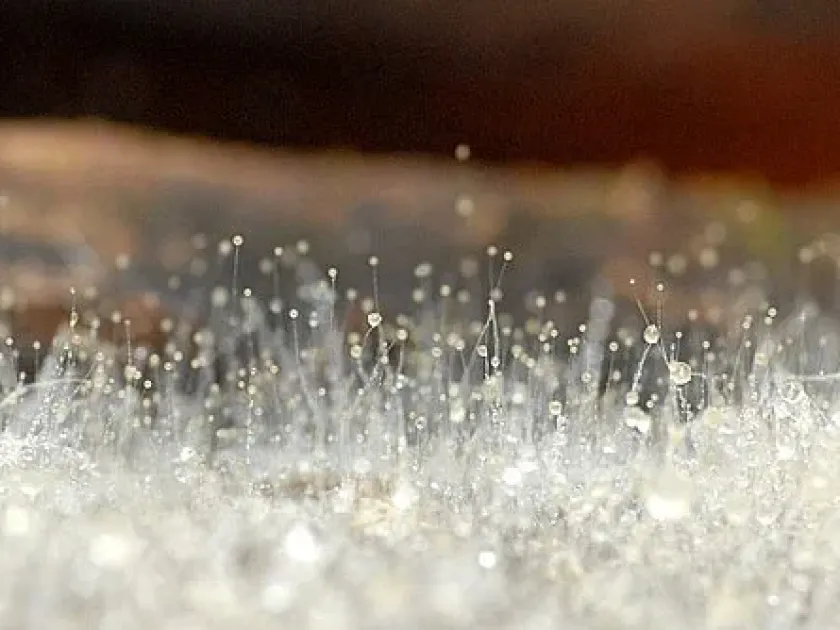
Description
Symptoms
A classic sign of infection is the development of a fluffy, grey or white, cotton-like mycelial mat on the surface of fruits and berries.
As the infection progresses, black or dark-colored pin-head-like sporangia develop on the mycelium, giving the affected areas a characteristic ash-grey or speckled appearance.
Tissues beneath the mold lose their integrity, becoming soft, watery, and eventually collapsing into a mushy consistency that may emit a distinct, often unpleasant, odor.
On strawberries, the rot manifests as rapid berry softening followed by the development of dense grey mold that covers the fruit in a matter of hours under high humidity.
In dry conditions, the infected tissue may shrink and mummify, but in most cases, the fungus completely consumes the fruit structure.
Pathogen
The causative agent of this disease is the fungus Mucor mucedo, a member of the Mucorales order. It is a common saprotrophic organism widely distributed in soil and decaying organic matter.
Biologically, the fungus is characterized by rapid mycelial growth and the production of numerous sporangia, which allow it to colonize substrates almost instantly under favorable conditions.
Unlike specialized parasites, Mucor mucedo often attacks weakened, overripe, or physically damaged plant tissues, causing rapid degradation through enzymatic activity.
The spores of the fungus are highly resilient and can persist in the environment for extended periods, remaining viable in soil even during unfavorable weather conditions.
The pathogen is ubiquitous, and its ability to spread via air currents makes it a constant threat to produce during storage and transportation processes.
Conditions for development
High relative humidity (above 80%) is the primary catalyst for the development and rapid spread of Mucor mucedo within crops and storage units.
The optimal temperature range for the pathogen is between +20°C and +25°C, though the fungus remains metabolically active even at slightly lower, near-refrigerated temperatures.
Poor aeration in dense plantings or crowded storage containers creates a stagnant microclimate that encourages spore germination and subsequent colonization.
Physical injuries to the skin of berries during harvesting or insect feeding provide the necessary entry points for the fungus, which cannot penetrate healthy, intact tissue.
A high concentration of crop debris in the field serves as a significant inoculum source, ensuring that spores are present and ready to infect the current season's yield.
Why it matters
Mucor rot is considered a major post-harvest disease capable of causing severe economic losses by quickly spreading between healthy and infected fruits in crates.
For strawberry growers, heavy rainfall during the harvest window often leads to widespread outbreaks that can ruin significant portions of the yield.
The disease destroys the commercial value of the produce, as infected berries cannot be processed or sold, and they may harbor mycotoxins harmful to human health.
Rapid spread in warehouse conditions makes it difficult to manage once an infection has been introduced, necessitating strict sanitation protocols.
The fungus can also weaken the overall plant health if it colonizes damaged parts, though its primary impact remains on the fruits themselves.
Protection
Sanitation is the cornerstone of control: promptly removing and destroying infected plant debris reduces the spore load in the immediate environment.
Mulching strawberries with straw or plastic film is highly effective in preventing contact between berries and contaminated soil, significantly reducing rot incidence.
Harvesting during dry weather and ensuring minimal handling of produce prevents the surface wounds that allow the fungus to infect the fruit.
- Improving air circulation through proper plant spacing.
- Maintaining low humidity in storage and transport facilities.
- Using careful handling techniques to avoid bruising sensitive berries.
While fungicides can be used, they must be applied according to local regulations and pre-harvest intervals to ensure safety and prevent the development of resistant strains.
Pathogens and affected parts
Affects crops · 1
Discussion
No discussions yet — be the first.