
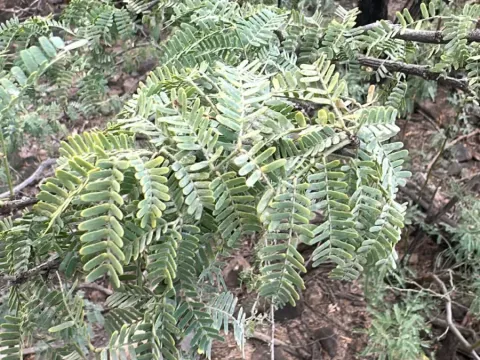
Neltuma
Neltuma
Neltuma is a genus of trees and shrubs belonging to the Fabaceae family, formerly associated with the Prosopis genus. These plants are exceptionally adapted to hot, arid, and semi-arid climates around the world.
What the section contains
 Honey mesquite
Neltuma glandulosa
Honey mesquite
Neltuma glandulosa
 Neltuma affinis
Neltuma affinis
Neltuma affinis
 Neltuma alba
Neltuma alba
Neltuma alba
 Neltuma alpataco
Neltuma alpataco
Neltuma alpataco
 Neltuma articulata
Neltuma articulata
Neltuma articulata
 Neltuma caldenia
Neltuma calingastana
Neltuma calingastana
Neltuma caldenia
Neltuma caldenia
Neltuma calingastana
Neltuma calingastana
 Neltuma campestris
Neltuma castellanosii
Neltuma castellanosii
Neltuma campestris
Neltuma campestris
Neltuma castellanosii
Neltuma castellanosii
 Neltuma chilensis
Neltuma chilensis
Neltuma chilensis
 Neltuma denudans
Neltuma denudans
Neltuma denudans
 Neltuma elata
Neltuma elata
Neltuma elata
 Neltuma fiebrigii
Neltuma fiebrigii
Neltuma fiebrigii
 Neltuma hassleri
Neltuma hassleri
Neltuma hassleri
 Neltuma humilis
Neltuma humilis
Neltuma humilis
 Neltuma juliflora
Neltuma juliflora
Neltuma juliflora
 Neltuma kuntzei
Neltuma kuntzei
Neltuma kuntzei
 Neltuma laevigata
Neltuma laevigata
Neltuma laevigata
 Neltuma nigra
Neltuma nigra
Neltuma nigra
 Neltuma odorata
Neltuma odorata
Neltuma odorata
 Neltuma pallida
Neltuma rojasiana
Neltuma rojasiana
Neltuma pallida
Neltuma pallida
Neltuma rojasiana
Neltuma rojasiana
 Neltuma ruizlealii
Neltuma ruizlealii
Neltuma ruizlealii
 Neltuma ruscifolia
Neltuma ruscifolia
Neltuma ruscifolia
 Neltuma sericantha
Neltuma sericantha
Neltuma sericantha
 Velvet mesquite
Neltuma velutina
Velvet mesquite
Neltuma velutina
Neltuma
The culture thrives in well-drained soils, showing a remarkable ability to establish itself in sandy, rocky, or saline substrates. Its deep taproot system is its primary adaptation for accessing groundwater in water-scarce environments.
Neltuma plants require high solar radiation and are extremely heat-tolerant. They generally do not survive frost conditions and perform best in areas with high average annual temperatures.
Nitrogen fixation is a key benefit of this crop, which allows it to thrive in poor soils and contributes to overall ecosystem health by increasing nitrogen levels in the surrounding soil.
Standard agronomic practices involve seed scarification to ensure uniform germination, followed by minimal disturbance of the soil to protect the developing root network from damage.
The primary agricultural output of Neltuma includes its seed pods, which are highly nutritious and commonly used as animal feed. The pods contain significant levels of sugars and proteins.
Neltuma wood is highly valued for its durability, hardness, and resistance to decay. It is widely used in the construction industry, for furniture making, and as a superior source of charcoal.
The trees act as an essential source of nectar for pollinators, particularly in regions where other forage plants cannot survive the dry season, significantly supporting local beekeeping.
Leaves and young shoots serve as emergency forage for livestock, providing critical nutritional support during periods of extreme drought when traditional pastures are exhausted.
Industrial processing of pods into flour is a growing trend, offering potential for food and specialized manufacturing applications due to the unique biochemical composition of the fruit.
Seed-boring insects represent the most significant pest threat to Neltuma, often reducing harvest quality. Post-harvest management, including proper drying and storage, is critical for crop protection.
Root rot can occur if soil drainage is compromised, as the plant is evolved for well-drained, porous environments. Proper site selection remains the most effective preventive measure.
In certain ecosystems, Neltuma species can become invasive. Effective plantation management requires controlling the spread of the plants to maintain balance within the local environment.
Young trees are susceptible to browsing by herbivores, which necessitates the use of physical barriers or protection during the critical stages of early growth to prevent damage.
Periodic maintenance, including pruning of old or diseased wood, helps prevent the spread of localized fungal infections and improves the overall vitality of the plantation.