
Neptunia
Neptunia
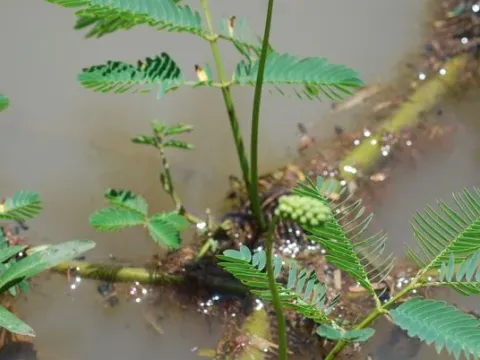
Neptunia, particularly the species Neptunia oleracea, is an aquatic perennial belonging to the Fabaceae family. It is typically propagated through stem cuttings or seeds placed in stable water bodies.
What the section contains


Neptunia
Sowing or planting should occur during the warm season, as the plant requires stable water temperatures to germinate and establish its root system in the benthic layer.
Vegetative propagation is the most common commercial practice. Stem segments with nodes are placed into the water, where they quickly develop adventitious roots and begin to spread across the surface.
For successful establishment, it is essential to ensure the sediment is rich in nutrients, as the plant relies on these for nitrogen fixation, a hallmark of leguminous plants.
Spacing must be carefully managed during initial planting. As the plant expands rapidly, overcrowding can restrict water circulation and light penetration, negatively affecting growth rates.
Neptunia thrives in stagnant or slow-moving freshwater bodies with high levels of sunlight. It is natively adapted to tropical and subtropical climates where heat is consistent.
Water quality is of paramount importance. The plant requires water rich in nitrogen and phosphorus but must be kept away from industrial contaminants to ensure the safety of the edible portions.
Optimal growth occurs between 25 and 30 degrees Celsius. Temperatures dropping below 15 degrees Celsius significantly inhibit metabolic activity and can lead to plant death.
The plant possesses specialized spongy tissue in its stems (aerenchyma) that provides buoyancy and allows for efficient gas exchange even when submerged in deep water.
The substrate on the bottom of the pond should ideally have a neutral or slightly alkaline pH to support the symbiotic bacteria necessary for nitrogen fixation.
The yield of Neptunia is primarily determined by its vigorous vegetative growth rate. Under ideal conditions, the biomass can double in size every two weeks.
Regular harvesting of young shoots serves as a form of pruning, which stimulates lateral branching and increases the total biomass produced over the course of a growing season.
In integrated aquaculture systems, Neptunia acts as both a crop and a water purifier, as it absorbs excess nutrients from the water, improving the environment for fish or shrimp.
Yield metrics vary significantly depending on the nutrient load of the water body. Ponds with high organic content produce denser and more frequent harvests compared to oligotrophic waters.
The crop is highly valued for its protein content and crisp texture, making it a sustainable and highly productive choice for farmers looking to diversify their aquatic production.
The most common pests include various caterpillars and aquatic insects that feed on the tender leaves, which can lead to significant aesthetic and quantitative losses.
Fungal infections, often caused by stagnant water or the accumulation of rotting organic matter, can lead to stem rot and the collapse of entire sections of the planting.
Herbivorous aquatic animals, such as fish and turtles, can be detrimental to yields if they are not excluded from the growing area through the use of protective netting.
Competition from invasive aquatic weeds, such as water hyacinth, poses a threat by shading the Neptunia and depriving it of the necessary nutrients and light for photosynthesis.
Effective management requires consistent monitoring and manual removal of debris to prevent disease outbreaks, as chemical pest control is generally discouraged in aquatic food crops.
Harvesting is performed manually to ensure only the highest quality, youngest, and most tender shoots are selected, as older stems become overly fibrous and tough.
The ideal time to harvest is before the onset of the flowering stage. Once the plant begins to produce flowers, the energy shifts away from leaf development, reducing the culinary quality of the stems.
Post-harvest handling involves washing the shoots in clean water to remove silt and any associated aquatic fauna, followed by immediate cooling to maintain freshness.
Sustainable harvesting practices dictate leaving a portion of the root system and primary stems intact to allow for rapid regeneration and subsequent harvests.
Logistics must be efficient, as Neptunia is a perishable vegetable. Marketing should occur within 24 to 48 hours of harvest to ensure the product reaches the consumer in prime condition.