
Neltuma nigra
Neltuma nigra
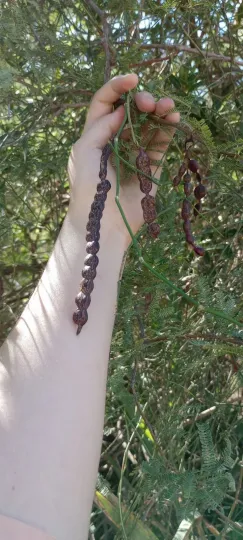
Description
Sowing dates
Neltuma nigra, formerly classified under the genus Prosopis, belongs to the Fabaceae family. It is a resilient tree or large shrub primarily cultivated in semi-arid and arid regions for its multipurpose utility in agroforestry and soil restoration.
Sowing should coincide with the beginning of the rainy season to provide the necessary moisture for seed germination and root establishment. Pre-treatment of seeds, such as scarification, is highly recommended to overcome the physical dormancy caused by the hard seed coat.
Optimal germination requires temperatures between 25 and 30 degrees Celsius. Soil selection should prioritize areas with good drainage, as waterlogging is a primary factor leading to seedling failure in early development.
Planting density varies based on management goals: high-density plantations are preferred for timber production, while wider spacing is utilized for pasture integration. Protecting young seedlings from weed competition during the first two seasons is critical for survival.
In its natural habitat, Neltuma nigra displays aggressive natural regeneration. Under controlled agricultural conditions, selecting high-quality seed sources from vigorous mother trees ensures more uniform stands and better growth rates.
Growing requirements
This species is an obligate heliophyte, meaning it requires full, unobstructed sunlight for photosynthesis and vigorous growth. It exhibits exceptional tolerance to saline and alkaline soil conditions, making it an ideal candidate for reclaiming degraded lands.
Neltuma nigra possesses a deep taproot system, allowing the plant to access groundwater in harsh, dry environments. While it thrives in alluvial soils, it is highly adaptable and can survive in sandy or rocky substrates where other crops fail.
The plant is adapted to high temperature ranges but shows sensitivity to prolonged, severe frosts. Once the root system is established, the tree exhibits remarkable drought resistance, requiring minimal supplemental water.
Nitrogen fixation is facilitated by symbiotic rhizobia in the root nodules, which significantly improves soil fertility. This feature makes it highly beneficial for intercropping with nitrogen-demanding agricultural species.
Heavy clay soils that are prone to crusting or water accumulation should be avoided. A neutral to slightly alkaline soil pH is considered optimal for maximizing nutrient uptake and plant health.
Yield
The economic yield of Neltuma nigra is derived from its pods, leaves, and timber. Pod production is cyclical and heavily dependent on the duration and intensity of the rainy season, as well as the presence of insect pollinators.
The pods are highly nutritious, containing significant concentrations of proteins and soluble sugars, serving as a vital forage resource for livestock during periods of feed scarcity. They can be harvested and stored to provide supplementary feed throughout the year.
The timber of Neltuma nigra is characterized by its extreme hardness, durability, and resistance to rot. These qualities make it a preferred material for high-end furniture, flooring, and structural supports in rural construction.
Leaf biomass can be utilized for green manure or as a supplement in livestock diet formulations. Strategic pruning not only provides biomass but also improves the structural development of the tree canopy.
Long-term soil enrichment through nitrogen cycling provides an indirect but significant yield increase for crops grown within the same plantation site. This synergy contributes to the overall stability and profitability of the farming system.
Main diseases and pests
The most significant threat to pod yield is the infestation by seed-feeding insects, such as bruchid beetles, which can consume a large portion of the seed energy. Monitoring and timely harvesting are essential to minimize these losses.
Root rot fungi can become a serious problem if the soil moisture levels are poorly managed. Ensuring proper field drainage and preventing standing water is the primary method for mitigating such risks.
Defoliating insects can occasionally attack young plants, reducing their photosynthetic capacity. Integrated pest management, focusing on biological controls, is preferred over broad-spectrum chemical interventions to protect ecosystem health.
Hemiparasitic plants, such as mistletoe, may colonize the branches, weakening the tree over time. Regular inspection and the surgical removal of infested limbs are standard practices to maintain the health of the stand.
Overgrazing by livestock can destroy entire cohorts of young seedlings. Protecting young trees with physical barriers until they reach a height beyond the reach of browsing animals is mandatory for successful establishment.
Harvesting
Pod harvesting begins once the pods have fully matured and developed their characteristic dark coloration. Manual harvesting is typical for small-scale systems, while mechanical methods are used in large plantations.
Harvesting should be completed before the onset of the rainy season to prevent fungal growth on the pods. Once collected, pods must be dried to a moisture content that inhibits the development of storage pests.
Timber harvest is conducted during the tree's dormancy period to ensure wood quality and longevity. Proper seasoning of the wood after felling is essential to prevent warping and cracking of the planks.
When harvesting leaves for forage, mechanical cutters are used, followed by immediate processing or drying. Proper storage of leaf meal in dry, moisture-proof conditions maintains its nutritional profile.
Storage facilities for pods must be clean and protected from rodent access. Periodic inspection of stored stock for insect activity is recommended to maintain the viability and safety of the final product.