
Neltuma elata
Neltuma elata
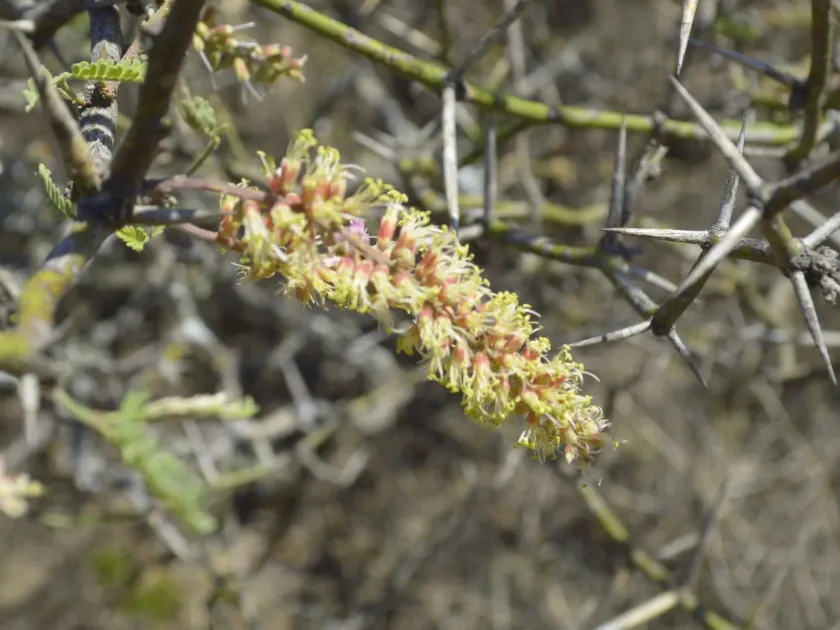
Description
Growing requirements
Neltuma elata, formerly known under the genus Prosopis, is a resilient tree species within the Fabaceae family. It is highly valued for its exceptional ability to thrive in harsh, arid, and semi-arid environments where most conventional agricultural crops fail to survive.
The tree prefers well-drained alluvial soils and exhibits high tolerance to salinity and alkalinity. This makes it an ideal candidate for reclaiming degraded lands and improving soil quality in regions characterized by poor or chemically imbalanced soil profiles.
Optimal growth requires high sunlight exposure and a long growing season. The plant possesses a remarkably deep and extensive root system, allowing it to tap into deep groundwater tables, which makes it virtually immune to long periods of drought once established.
Climatic requirements are strict regarding temperature, as the species is essentially tropical or subtropical. It does not tolerate freezing temperatures, which can severely damage the canopy and prevent the tree from reaching its full potential productivity.
Agronomic management is generally low-intensity. After the initial establishment phase, which requires protection from weeds and competing vegetation, the crop becomes largely self-sustaining, requiring minimal human intervention for survival and development.
Yield
The economic utility of Neltuma elata is primarily derived from its high-density, durable, and decay-resistant wood. It is extensively used in the luxury furniture industry, fine woodworking, and for creating high-end flooring and interior architectural elements.
In addition to timber, the fruit pods of the tree serve as a crucial livestock fodder. These pods are rich in proteins and carbohydrates, providing an essential nutritional supplement for cattle and sheep during seasons when grazing pastures are sparse.
The species also serves as a significant honey source. Neltuma elata nectar yields a distinctive and highly prized honey, making apiary development within tree stands a profitable secondary enterprise for rural agricultural systems.
The tree plays a vital ecological role through nitrogen fixation. By enhancing the soil nitrogen content, it naturally boosts the fertility of the surrounding environment, which promotes the growth of understory vegetation and improves total landscape productivity.
- Premium-grade timber production.
- High-energy livestock feed (pods).
- High-quality honey production.
- Nitrogen-rich soil improvement.
Main diseases and pests
Insect pests, particularly seed-feeding beetles, represent the most significant threat to the fruit yield. These organisms infest pods during maturation, significantly reducing the quantity and quality of harvestable crop for feed purposes.
Fungal pathogens associated with waterlogging or poor soil drainage can severely impact root health. Maintaining proper irrigation and drainage standards is crucial to preventing root rot, which can cause significant tree mortality in dense stands.
Wood-boring insects are a potential threat to timber quality and structural integrity. Regular field inspections and the removal of heavily infested wood are recommended to maintain the long-term health and commercial value of the timber harvest.
Climatic volatility, such as unexpected cold spells, presents a direct risk to young saplings. Protection of young trees during the first few winters is essential to ensure they survive long enough to develop a robust and hardy root structure.
Early-stage competition from fast-growing weeds can stifle sapling development. Proper silvicultural management, including periodic weeding and clearing of the area around each sapling, is necessary to achieve successful reforestation or plantation establishment.