
Neltuma juliflora
Neltuma juliflora
Description
Growing requirements
Neltuma juliflora, a member of the Fabaceae family, is a highly resilient tree species adapted to extreme arid and semi-arid environments across the globe.
The plant demonstrates remarkable tolerance to various soil types, including sandy, rocky, and saline substrates, which makes it ideal for degraded land reclamation.
Its botanical defining feature is an expansive root system, capable of reaching significant water tables to survive prolonged drought periods where other crops fail.
For cultivation, the species requires full sun exposure and warm temperatures, as it is highly sensitive to frost and waterlogging, which can compromise its health.
Proper management of this culture involves controlled planting due to its invasive potential in certain ecosystems, requiring strategic placement to maintain agricultural order.
Yield
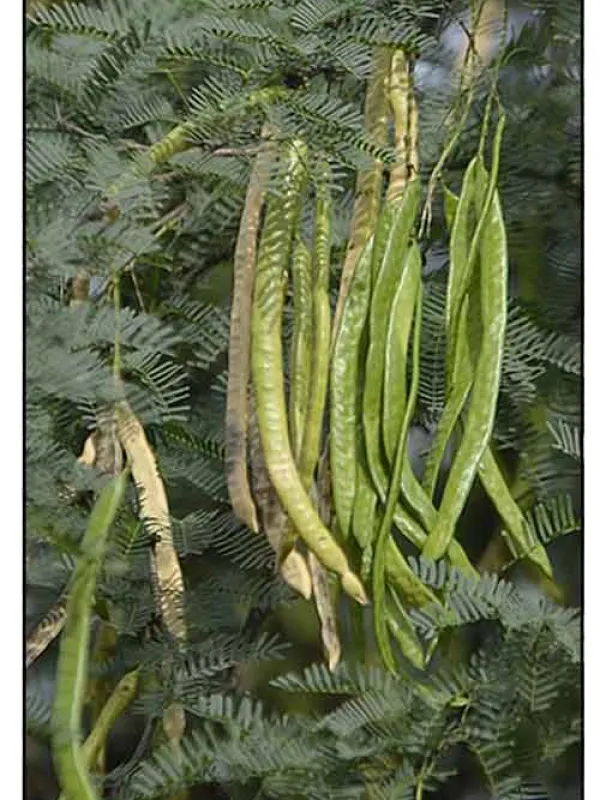
The primary agricultural use involves the harvest of pods, which are a rich source of carbohydrates and protein for livestock feed, especially in pastoral systems.
The timber harvested from mature specimens is valued for its density and durability, serving as a primary material for high-quality furniture and carpentry.
Neltuma juliflora is also an excellent source of biomass for high-grade charcoal production, providing significant energy value for rural communities.
The tree acts as a crucial nectar source for honey production, supporting local apiculture industries with steady yields during intense summer heat.
As a nitrogen-fixing legume, the plant contributes to soil fertility restoration, creating a more favorable micro-environment for intercropped agricultural species.
Main diseases and pests
The most significant threats to the health of these trees are soil-borne pathogens and root rot induced by poor drainage and excessive moisture in the root zone.
Seed-feeding insects, such as bruchid beetles, often target the pods and seeds, which limits their viability for propagation and reduces the quality of forage.
Foliage-feeding larvae can cause localized defoliation, which, while rarely fatal to mature trees, may stunt the growth of younger, more vulnerable plants.
Mildew and other fungal infections may appear in high humidity settings, necessitating careful canopy management and appropriate spacing between planted rows.
Invasive weed pressure during the seedling stage requires mechanical maintenance to ensure the tree establishes a canopy before competition becomes severe.