
Neltuma sericantha
Neltuma sericantha
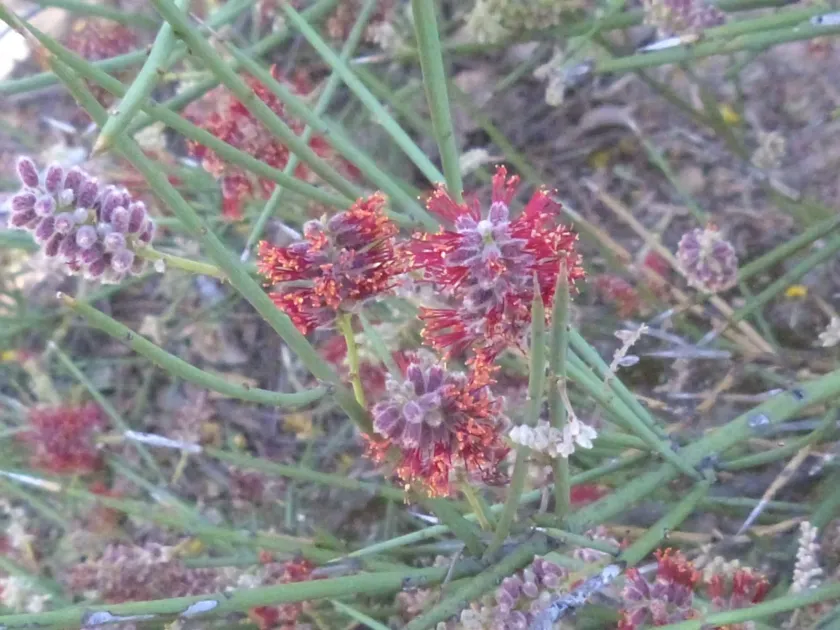
Description
Sowing dates
Neltuma sericantha, a member of the Fabaceae family, is a woody crop species highly adapted to arid environments. Sowing is typically performed at the onset of the warm season, ensuring that soil temperatures are sufficient for rapid and uniform germination.
Seeds often possess a hard coat, requiring scarification techniques to break dormancy and facilitate water uptake. Proper planting depth is essential to allow the developing embryo to access soil moisture while reaching the surface efficiently.
In field production, mechanical row sowing is preferred, maintaining adequate spacing to support the expansion of the root system. Weed control during the early stages of growth is paramount, as young seedlings are susceptible to competition for sunlight and nutrients.
Once established, the plant develops a robust deep taproot system, which contributes to its long-term survival in challenging habitats. Planting into the permanent site should follow the last frost date to ensure the safety of the initial growth cycle.
Irrigation practices at the time of sowing must be controlled to prevent waterlogging, which can lead to seed rot before germination occurs. A steady, moderate moisture supply is sufficient to kickstart the developmental process.
Growing requirements
As a true xerophyte, Neltuma sericantha thrives under conditions of minimal rainfall and extreme temperatures. It prefers well-drained sandy or sandy-loam soils and performs well in environments where other crops fail.
The plant demonstrates significant tolerance to soil salinity, making it an excellent candidate for the restoration of degraded or marginal lands. As a heliophyte, it requires full sun exposure and will not thrive in shaded areas.
Owing to its symbiotic relationship with nitrogen-fixing bacteria, the plant effectively improves soil fertility, requiring little to no supplemental nitrogen fertilization. It is sensitive to prolonged freezing temperatures and grows best in subtropical or arid zones.
- Excellent drought and heat tolerance.
- Strong preference for open, sunlit locations.
- Adaptable to alkaline and saline soil conditions.
- Enhanced soil health through nitrogen fixation.
- Deep taproot system for efficient water scavenging.
To ensure optimal performance, producers should avoid areas prone to waterlogging or high water tables. Implementing effective drainage solutions is key to maintaining the plant's health and longevity in a commercial setting.
Yield
The economic output of Neltuma sericantha is measured by its total biomass production, which serves as a valuable forage source for livestock, especially in semi-arid grazing systems. Productivity levels are closely tied to water availability during the peak growth season.
Pod production is a crucial yield component, as the seeds and pods provide high-protein nutrition. Yearly yields can fluctuate depending on the climate, but the plant remains a stable producer even during moderate drought cycles.
The wood produced by the species is durable and useful for various small-scale forestry purposes. Because the plant is resilient to heavy grazing, it serves as a self-sustaining resource in agroforestry and rangeland management.
Management practices such as periodic pruning are recommended to stimulate lateral branch growth, effectively increasing the harvestable foliage. This approach maximizes the plant's potential as an integrated component of an agricultural enterprise.
As a resource, it is highly valued in regions where extreme climatic volatility makes conventional crop production risky, offering a reliable harvest that supports both animal health and soil structure.
Main diseases and pests
The primary threats to Neltuma sericantha include seed-boring insects that can drastically reduce the viability of the harvest. Integrated pest management strategies are recommended to monitor populations and protect the seed crop during maturation.
Fungal diseases, such as leaf spot, may emerge if planting density is too high or if air circulation is restricted in humid microclimates. Proper spacing and occasional pruning help keep the foliage dry and healthy.
Defoliating pests pose a risk to the plant's photosynthetic capacity. Biological control agents or targeted, eco-friendly interventions are preferred to maintain the health of the plantation without disrupting the local ecosystem.
Root rot is the most common pathology associated with poor soil drainage or excessive irrigation. Avoiding the saturation of the root zone is the most effective preventative measure against this threat.
Competition from invasive plant species can hinder the establishment of the crop. Vigilant weeding during the first one or two seasons is necessary to ensure the plant establishes dominance and remains resilient against pathogens.