
Neltuma denudans
Neltuma denudans
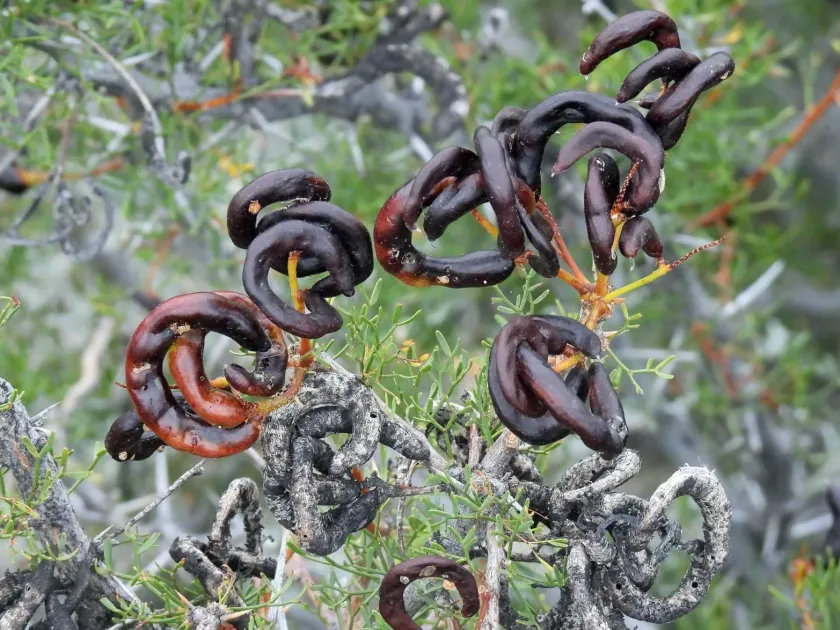
Description
Sowing dates
Neltuma denudans, a member of the Fabaceae family, is a robust species well-suited for cultivation in challenging, arid environments. Sowing typically takes place at the onset of the warm season, ensuring that soil temperatures are high enough to trigger uniform germination of its structurally tough seeds.
Seed scarification is an essential pre-sowing practice, as the natural physical dormancy of the seeds significantly hinders water absorption. By mechanically or chemically treating the seed coat, growers can achieve higher emergence rates, which is crucial for establishing a consistent plant stand in large-scale agricultural projects.
Once planted at a depth of 3 to 5 centimeters, the seeds require stable moisture to establish their deep taproots. During the early developmental stages, protecting the young seedlings from weed competition is vital, as the species exhibits a moderate initial growth rate before establishing its primary biomass.
Proper spacing is a key factor in Neltuma management, allowing each plant to optimize its resource uptake from the soil. This spacing is calculated based on the intended end-use of the crop, whether for seed production, forage harvesting, or land rehabilitation, ensuring that air circulation remains optimal to prevent disease development.
As a nitrogen-fixing legume, it plays a strategic role in crop rotation cycles. Sowing Neltuma in depleted soils aids in natural fertility restoration, making it an excellent choice for farmers looking to reduce their reliance on synthetic fertilizers while simultaneously building sustainable long-term agricultural soil structures.
Growing requirements
This crop is highly specialized for arid and semi-arid climates, demonstrating exceptional tolerance to extreme heat and prolonged dry spells. Its survival strategy relies on a deep, expansive root system that allows it to access subsoil moisture, making it resilient where other standard crops would fail.
Regarding soil preferences, Neltuma denudans thrives in well-drained, sandy, or gravelly soils. While it exhibits a high degree of adaptability to varied soil textures, it is particularly noted for its ability to grow in saline environments and poor-quality substrates where organic matter content is minimal.
Sunlight requirements are absolute, as the plant demands full solar exposure to drive its metabolic processes and nitrogen-fixation activity. Shaded conditions lead to weak growth and increased susceptibility to pests, thus selecting a site with unobstructed sun exposure is a fundamental requirement for successful cultivation.
While the species is hardy, it is highly sensitive to waterlogging. Excessive moisture in the root zone must be avoided at all costs, as it prevents proper aeration and leads to the rapid decay of the delicate nodule system that hosts beneficial symbiotic bacteria essential for the plant's nutrient uptake.
Climate adaptability is further enhanced by its deciduous habit during extreme water stress, where it may shed leaves to minimize transpiration. Providing supplemental irrigation during the seedling stage is recommended, but once established, the crop becomes highly self-sufficient and requires minimal intervention.
Main diseases and pests
The primary threats to Neltuma denudans are linked to poor soil drainage, which promotes root rot and fungal infections. Maintaining proper field topography and ensuring that water does not pool around the base of the plant is critical to preventing crop loss from subterranean pathogens.
Insect pests common to leguminous crops, including pod-borers and various beetle species, can impact yield by damaging reproductive structures. Integrated pest management, focusing on early detection and biological control methods, is the most effective way to protect the crop from significant infestation.
Sucking insects, such as aphids and mites, may become an issue in exceptionally hot and dry seasons. These pests weaken the plant by extracting sap from tender new growth, and their presence often correlates with the transmission of viral diseases, requiring careful monitoring during the peak growing season.
Weed control is essential, as aggressive invasive weeds can outcompete Neltuma in the early stages and serve as alternate hosts for harmful insects. Keeping the rows clear of unwanted vegetation ensures that the crop maintains its health and vigor, minimizing the need for extensive chemical treatments.
Crop rotation remains the best preventative measure against soil-borne diseases. By cycling Neltuma with non-leguminous plants, growers can effectively interrupt the lifecycle of specialized pests and pathogens, preserving soil health and ensuring that subsequent harvests of this valuable species remain productive and consistent.