
Neltuma odorata
Neltuma odorata
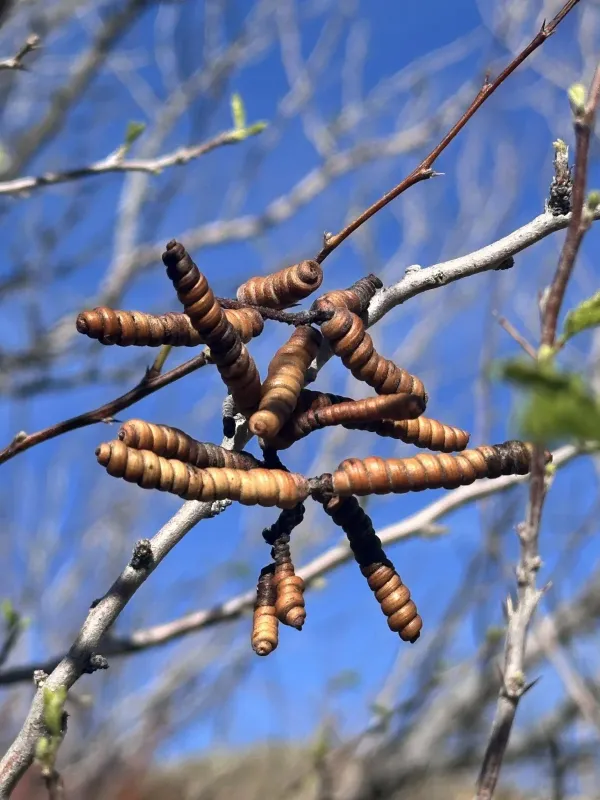
Description
Sowing dates
Sowing Neltuma odorata requires preliminary scarification of seeds to break their hard seed coat and ensure uniform germination. In natural environments, seeds are dispersed by animals, but in agricultural settings, they are sown directly into the soil after the last frost, when soil temperatures consistently remain above 15-18 degrees Celsius.
The planting depth typically ranges from 2 to 4 centimeters depending on the soil texture. The optimal time for sowing is late spring, which allows young seedlings to develop a root system before the onset of extreme summer heat.
When using a nursery method, sowing in containers is carried out 6-8 weeks before transplanting into the field. This protects the vulnerable seedlings from competition with weeds and ensures necessary care during the initial growth stages.
An important factor during sowing is choosing a site that avoids water stagnation, as young seedlings are highly sensitive to waterlogging of the root collar. It is recommended to maintain a distance of at least 3-5 meters between rows to ensure proper development of the canopy of the adult plant.
On an industrial scale, sowing can be combined with minimum tillage technologies, which help conserve moisture in the arid regions where this crop is grown.
Growing requirements
Neltuma odorata, belonging to the Fabaceae family, is noted for its exceptional drought tolerance and ability to grow in poor soils. The crop prefers well-drained, sandy, or sandy-loam soils but can adapt to rocky sites.
For normal development, the plant requires abundant sunlight, as shading leads to a sharp decrease in photosynthetic activity and stunted growth. The optimal temperature for vegetative growth is between 25 and 35 degrees Celsius.
The plant possesses a well-developed taproot system capable of penetrating to great depths in search of groundwater. This feature allows the crop to survive in regions with minimal rainfall, where other plants perish from moisture deficiency.
Neltuma grows successfully on slightly alkaline soils and exhibits high tolerance to soil salinity. Thanks to its symbiosis with nitrogen-fixing bacteria, it is capable of enriching the soil with nitrogen, making it a valuable component of agroforestry systems.
Climatic requirements include the absence of prolonged, severe frosts, which can damage young shoots. Adult trees demonstrate moderate winter hardiness, characteristic of species adapted to arid conditions.
Yield
The economic value of Neltuma lies in the production of nutritious pods, which contain significant amounts of sugars, proteins, and minerals. Yield is strongly dependent on the age of the tree, moisture conditions, and planting density on the plantation.
Initial fruiting may begin a few years after planting, but peak productivity is reached once the tree is 10-15 years old. In favorable years, one mature tree can yield a significant volume of biomass in the form of fruits.
The pods are traditionally consumed in processed form, used to produce nutritious flour with a low glycemic index. The crop is also an important source of fodder for livestock in arid zones, where the foliage and fruits bridge gaps in the diet.
Neltuma timber is prized for its high hardness and decorative qualities, allowing old trees to be used in woodworking. Thus, the crop provides a comprehensive income through fruit harvesting and timber production.
The economic efficiency of growing Neltuma is often considered within the context of sustainable agriculture, where it serves as a soil-conserving and forage crop.
Main diseases and pests
Typical diseases for Neltuma include fungal infections, which occur when soil aeration is compromised or moisture stagnates in the root zone. Prevention involves following strict irrigation schedules and ensuring high-quality drainage.
Among pests, larvae of insects that infest seeds inside the pods pose the greatest threat. Biological control methods and timely harvesting are employed to combat them.
Damage to the root system by rodents can lead to the weakening of the plant and its subsequent infection by pathogens. It is recommended to use protective guards for the trunks of young saplings in their early years.
Leaf-sucking pests, such as aphids or spider mites, can occasionally cause damage, which is particularly relevant during dry periods. Monitoring pest populations allows for timely protective measures without harming the environment.
The general condition of the plantation directly depends on the agricultural background: maintaining tree health requires regular inspection for infection centers and the removal of damaged branches.
Harvesting
Harvesting Neltuma pods is carried out after they have fully matured, when they acquire their characteristic color and become dry. It is important to harvest the fruit before it falls to the ground to prevent contamination and spoilage.
Hand harvesting is the most common method on small plantations, while mechanized shaking systems are used on an industrial scale. The choice of method depends on the size of the plants and their planting density.
The collected material must be thoroughly dried in well-ventilated areas to prevent mold growth. Optimal moisture content of the product after drying allows for long-term storage of the harvest without losing nutritional value.
Sorting pods by size and maturity allows for the optimization of subsequent processing into flour or feed additives. Quality cleaning from debris ensures a high commercial appearance and the safety of the final product.
Effective logistics during harvest minimize losses and ensure maximum preservation of the valuable biologically active substances contained in the Neltuma fruits.