
Neltuma caldenia
Neltuma caldenia
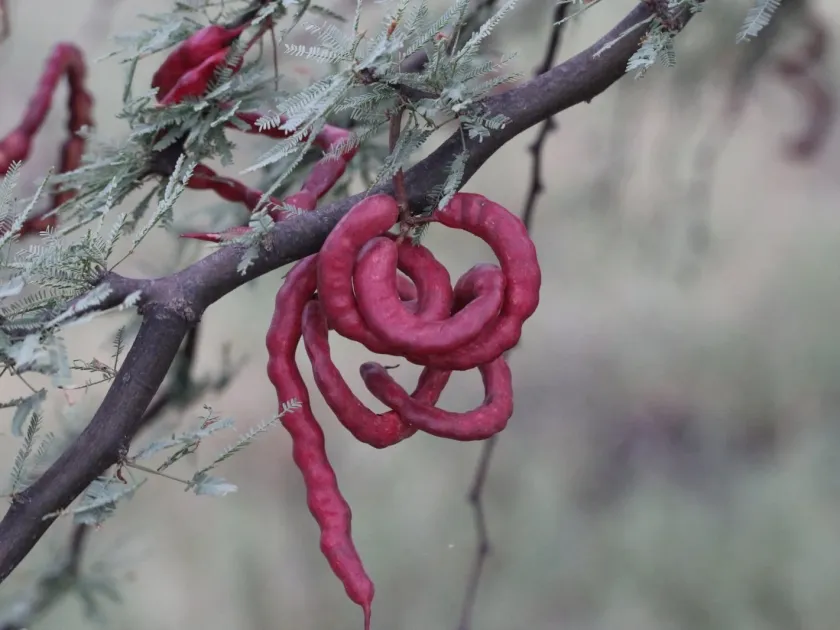
Description
Growing requirements
Neltuma caldenia, historically classified within the Prosopis genus, is a prominent leguminous tree species native to the arid regions of Argentina. It serves as a vital component of the local ecosystem, known locally as the Calden.
The species is exceptionally well-adapted to semi-arid climates, thriving in areas with low annual rainfall and significant temperature fluctuations. Its physiological structure allows for efficient water use and survival in harsh environments.
Soil requirements focus on permeability and depth. It performs best in sandy or silty soils that prevent waterlogging. The tree relies on its deep taproot to access groundwater, which is essential during prolonged dry spells.
Cultivation practices prioritize spacing to allow for the horizontal expansion of the root system. As a nitrogen-fixing legume, it improves soil fertility by enriching the upper horizons with organic matter and symbiotic nitrogen.
Economically, the species is valued for its hard timber, which is used in high-quality carpentry. Furthermore, its pods serve as a critical fodder resource for livestock, particularly in regions where grazing pastures are seasonal.
Main diseases and pests
The primary pathological threats involve root rot caused by stagnant water, which compromises the integrity of the vascular system. Improving site drainage is the most effective preventative measure against such issues.
Insect pests, particularly seed-boring weevils, represent a significant challenge for seed production. These pests can infest a high percentage of pods, making integrated pest management necessary for sustainable propagation.
Leaf-feeding insects may periodically cause defoliation. While mature trees are resilient, young plants often require monitoring to ensure that photosynthetic activity is not critically reduced during the early growth phase.
External biotic stress, including intensive browsing by wild or domestic animals, can impede the regeneration of young stands. Protection measures, such as temporary enclosures, are often implemented in plantation settings.
Maintaining biological diversity around the plantation helps mitigate pest outbreaks. The balance between native vegetation and managed stands provides a natural buffer that keeps pest populations at manageable levels.