
Neltuma kuntzei
Neltuma kuntzei
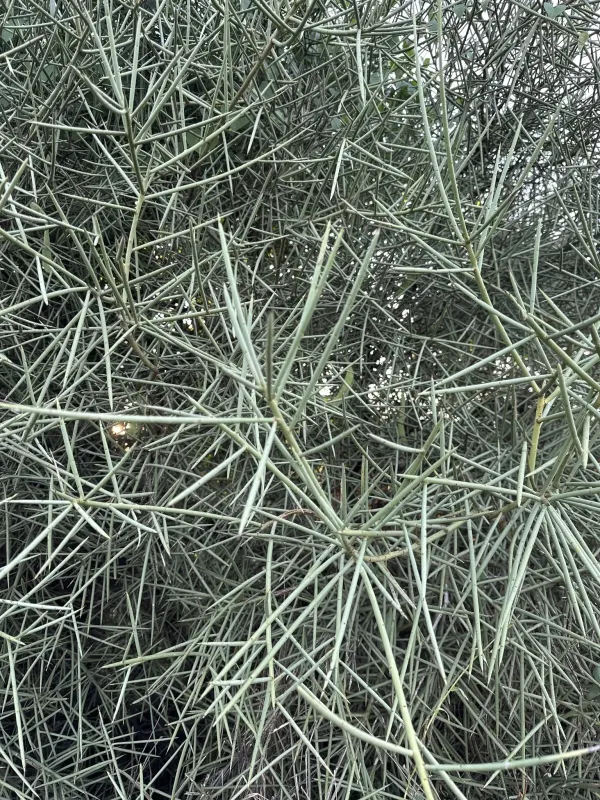
Description
Sowing dates
Neltuma kuntzei, often identified in literature as Prosopis kuntzei, is typically propagated from seeds. Due to the hard and impermeable seed coat, scarification is a necessary step to enhance germination rates before planting in the field or nursery.
The optimal sowing time occurs at the onset of the warm, rainy season, which provides the essential moisture for the seedlings to establish their initial root system. In controlled nursery environments, seeds should be planted in well-drained, sandy substrate.
Planting depth should generally range from 2 to 4 centimeters. Ensuring consistent soil moisture during the first few weeks is crucial, although the species is naturally adapted to survive periods of intense dryness once established.
Proper spacing between seeds is essential to avoid competition for resources. In silvopastoral systems, a lower density is often preferred to allow for the growth of ground cover plants between the Neltuma trees.
Seedlings should be protected from direct intense wind and competitive weeds during their early development stage, as the initial growth rate of this species can be slow compared to fast-growing pioneer plants.
Growing requirements
As a resilient member of the Fabaceae family, Neltuma kuntzei thrives in arid and semi-arid environments. It is highly valued for its ability to withstand extreme water scarcity, making it an excellent candidate for land restoration projects.
The species prefers well-drained, porous soils such as sandy or gravelly loams. It is known for its deep taproot system, which allows it to access groundwater tables that are unreachable by many other shallow-rooted agricultural crops.
Sunlight is a fundamental requirement for the healthy development of this tree. It is highly heliophilic, and shading from other larger trees or dense canopy structures will inhibit its growth and productivity.
Although it is adapted to nutrient-poor soils, the plant benefits from early weed management. Its ability to fix atmospheric nitrogen contributes to soil fertility, naturally improving the environment for the surrounding vegetation.
The thermal range for optimal growth is broad, encompassing subtropical to tropical climates. Adult specimens show high tolerance to large diurnal temperature fluctuations, which are common in desert-like regions.
Yield
The yield of Neltuma kuntzei is focused on both its production of seed-bearing pods and its woody biomass. Productivity is heavily contingent upon age, rainfall distribution during the flowering stage, and the density of the stand.
The pods are highly regarded as a nutrient-dense fodder source for livestock during seasons when other vegetation is scarce. They are rich in carbohydrates, providing essential energy for animals in harsh climate conditions.
In terms of timber, the species produces high-density wood known for its durability and resistance to biological decay. Yield estimates for timber are determined by long-term management plans rather than annual cycles.
Harvesting efficiency can be challenged by the tree's thorny branches, which often necessitates manual labor or specific technological interventions to collect the pods effectively from the canopy or the ground.
Improving yields often involves selecting individual trees that display superior growth traits and more manageable crown shapes, which facilitates easier maintenance and harvesting of the agricultural products.
Main diseases and pests
Neltuma kuntzei is generally robust, but it can be susceptible to specific seed-feeding insects, particularly weevils. These pests can significantly impact the viability of the seed crop if left unmanaged in large-scale plantations.
Root rot caused by fungal infections is the most significant threat related to poor drainage. Waterlogging the soil is the primary cause of such issues, so managing the hydrological conditions of the site is critical.
Herbivory, particularly from livestock or wild mammals, can cause severe mechanical damage to young trees. Implementing protective barriers is a standard practice to ensure the survival of young saplings until they are sufficiently established.
While the species is hardy, severe infestations of parasitic plants or epiphytes can occur in older, unmanaged trees. Routine sanitary inspections and selective pruning are recommended to maintain the long-term health of the stand.
Because of its natural resistance to many regional pests, the species requires minimal chemical intervention, which makes it an ideal choice for low-input, sustainable agricultural systems.
Harvesting
The harvest of Neltuma kuntzei pods is typically conducted when they reach full maturity, indicated by a change in color and texture. Harvesting should occur in dry weather to ensure the pods are not damaged by excess moisture.
Manual gathering is the most traditional and frequent method of harvest. Collectors must wear protective gear to prevent injuries from the plant's thorns, which are a characteristic feature of this species.
Post-harvest management involves thorough drying of the pods in a shaded, well-ventilated area. This process is crucial to prevent the development of mold, which can destroy the nutritive value of the fodder during storage.
For timber production, trees are harvested based on forest management cycles. Once the tree is felled, the wood must undergo a controlled drying process to achieve the stability required for its commercial end-uses.
Proper storage facilities are essential to keep the harvest free from pests and rodents. Dry conditions and protection from ambient humidity are the primary requirements for ensuring long-term product shelf life.