
Neltuma fiebrigii
Neltuma fiebrigii
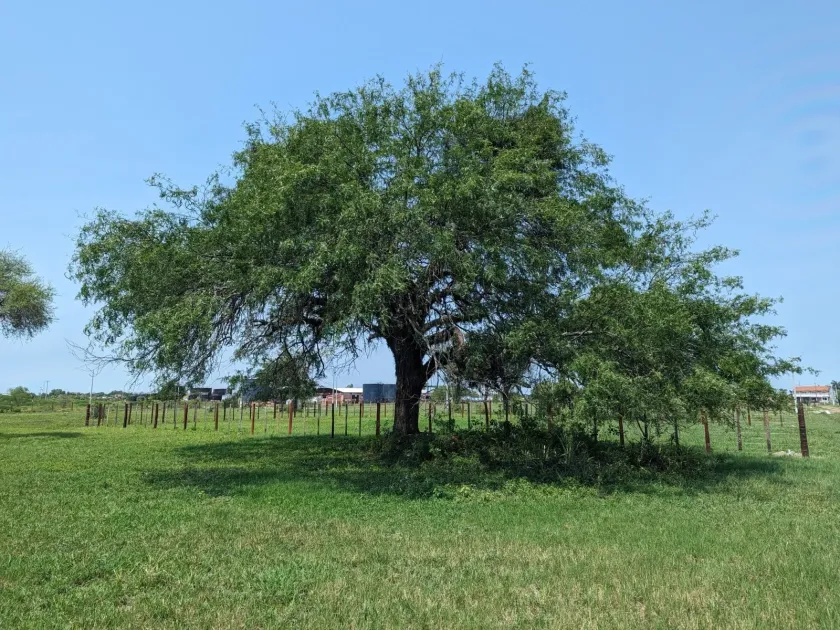
Description
Sowing dates
Propagation of this species is primarily through seeds, as the plant is adapted to natural regeneration in arid ecosystems. Sowing is recommended during the spring season once the soil has warmed sufficiently, ensuring all risks of late frost have passed.
Seeds require scarification before planting because their hard, protective coat impedes germination under field conditions. This preparatory step significantly increases the germination rate and ensures uniform seedling development during the crucial initial weeks.
When planting in permanent locations, adequate spacing between saplings is essential, given the spreading crown architecture of a mature tree. The planting density should be determined by the intended use, whether for windbreaks, soil restoration, or fodder production.
Seeds should be sown at a depth of 3–5 centimeters to protect the embryo from surface soil desiccation. During the first few months after emergence, it is vital to keep the area free of competing weeds to ensure successful establishment.
An irrigation system during the early growth stages is critical for the development of a robust taproot system. Although the adult plant is highly drought-tolerant, young specimens require consistent moisture until they are well-established in the soil.
Growing requirements
Neltuma fiebrigii belongs to the Fabaceae family and is a drought-hardy woody species native to regions of South America. It is exceptionally well-adapted to the harsh environments of semi-deserts and dry forests where conventional crops struggle to thrive.
The plant prefers well-drained sandy or loamy soils capable of efficient drainage following rare precipitation events. It shows remarkable tolerance to saline substrates, making it an excellent candidate for the reclamation of degraded and marginal agricultural lands.
Climatic requirements center on the need for intense solar radiation and a long, hot growing season. The culture is highly sensitive to waterlogging, as stagnant moisture can cause severe root system decay and hinder overall plant health.
Optimal temperatures for vigorous growth range between +25 and +35 degrees Celsius. Due to its deep taproot, the tree can access water from lower soil profiles, allowing it to survive even during periods of prolonged drought.
In its native habitat, the species acts as a natural soil improver by fixing atmospheric nitrogen through symbiosis with nodule bacteria. This allows the culture to thrive in nutrient-poor soils without the need for intensive synthetic fertilization.
Yield
The economic value of Neltuma fiebrigii is primarily centered on its pods, which are highly nutritious. Yield levels are strongly correlated with annual rainfall, although the species remains impressively productive even under extreme environmental constraints.
Pods are harvested once they have fully matured and dried naturally on the branches. The gathered raw material undergoes cleaning and subsequent processing to produce high-quality flour or nutritious livestock feed additives.
The foliage also serves as a valuable secondary source of roughage for livestock, especially during seasonal pasture shortages. The nutritional profile of the biomass makes it a vital component of animal diets in arid agricultural zones.
The wood of this species is prized for its extreme density and durability, making it suitable for high-end cabinetry, artisanal woodwork, and structural construction. This timber potential significantly increases the overall profitability of the cultivation cycle.
With proper adherence to agronomic practices and appropriate site selection, producers can achieve stable annual yields. Commercial cultivation benefits from selective breeding programs designed to enhance the quality and volume of the harvest.
Main diseases and pests
Major threats to the crop include insect pests such as weevils, which may infest the pods during the development and ripening phases. Systematic monitoring of pod health is essential to minimize losses during the storage and harvesting processes.
Fungal diseases are generally rare; however, poor agronomic management or lack of air circulation can lead to localized infections affecting the foliage. Implementing phytosanitary measures helps mitigate the risk of pathogen transmission across the plantation.
Small rodents can pose a threat to young saplings by gnawing on the bark and damaging tender shoots during their early years. It is highly recommended to install protective guards around the base of the stems to prevent such mechanical damage.
Competition from invasive weed species can retard the growth rate, making timely weeding around the tree base mandatory until the canopy is sufficiently developed. Once established, the tree naturally suppresses ground-level vegetation through shading.
Extreme climatic events, such as anomalous cold snaps, may negatively affect growth, although mature trees are significantly more resilient than seedlings. Understanding the biological cycles of the plant allows farmers to better protect the crop.
Harvesting
Harvesting is typically performed using mechanical methods or manual collection, depending on production scale and field topography. It is imperative that pods are fully dehydrated to ensure safe storage and prevent mold development.
The ideal time to commence harvesting is when the pods achieve their characteristic coloration and detach easily from the stem. At this stage, the sugar content and nutritional density are at their absolute peak.
Collected pods should be immediately dried in well-ventilated structures or under sheltered canopies to avoid degradation. Proper drying protocols are vital for maintaining high product quality and preventing post-harvest spoilage.
Following the drying process, pods are cleaned using mechanical separators to remove debris and foreign matter. This sorting process isolates premium raw materials from damaged or underdeveloped units, ensuring high standards for end-use processing.
The commodity is stored in dry facilities with humidity control to prevent insect infestation. When handled according to best practices, the harvest can be stored for extended periods without significant nutrient or quality loss.