
Neltuma pallida
Neltuma pallida
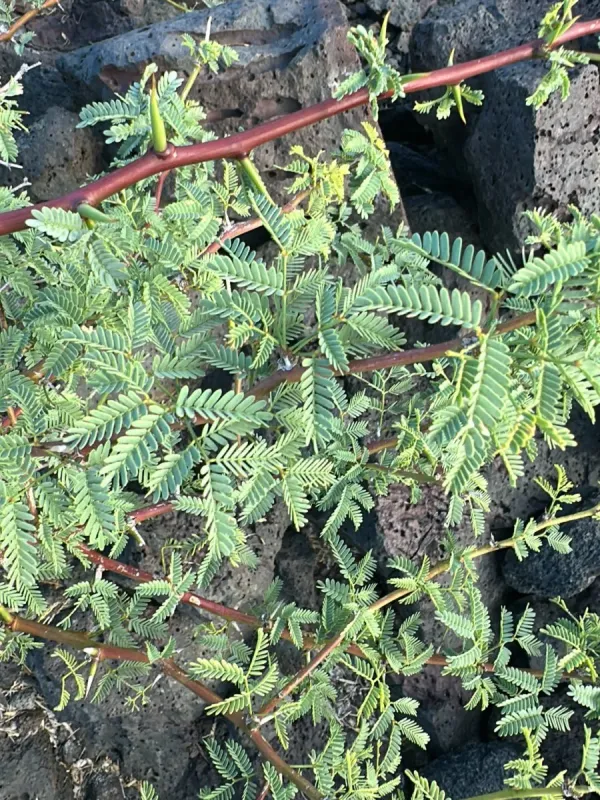
Description
Growing requirements
Neltuma pallida is a hardy tree species belonging to the Fabaceae family. Formerly classified under the genus Prosopis, it is renowned for its exceptional adaptability to arid and semi-arid environments across South America.
The tree exhibits significant biological resilience, featuring a deep taproot system that allows it to access subterranean water sources. This makes it an ideal candidate for reforestation projects in degraded arid lands.
Environmental requirements include high solar radiation and warmth, as the species is highly sensitive to frost. It thrives in various soil types, ranging from sandy loams to saline coastal soils, where other crops typically fail.
Cultivation practices focus on initial establishment, after which the tree requires minimal maintenance. Due to its nitrogen-fixing capabilities, it contributes positively to soil fertility improvement in agroforestry systems.
Economically, Neltuma pallida is utilized primarily as a source of high-quality fodder for livestock. Its pods are highly nutritious, and its wood is dense and durable, commonly used for construction and high-grade charcoal.
Main diseases and pests
The tree is generally robust, but it can be susceptible to fungal diseases such as root rot if planted in waterlogged soils. Insect pests, particularly seed-feeding bruchid beetles, can reduce seed viability and yield.