
New Mexican locust
Robinia neomexicana
Description
Growing requirements
The New Mexican locust (Robinia neomexicana) is a deciduous shrub or small tree belonging to the Fabaceae family. It is native to the southwestern United States and parts of northern Mexico, thriving primarily in mountain canyons and rocky slopes.
This species is highly regarded for its exceptional drought tolerance and its ability to establish itself in poor, rocky, or gravelly soils. It prefers full sun exposure but can handle partial shade, making it a versatile choice for xeriscaping or low-maintenance landscapes.
Regarding climate, the plant is hardy and well-adapted to wide temperature fluctuations. Its natural resilience to cold allows it to survive in various temperate regions, provided the soil remains well-drained and the root zone does not become waterlogged.
An essential characteristic of this culture is its ability to fix atmospheric nitrogen. Through symbiotic relationships with soil bacteria, the New Mexican locust improves soil fertility, making it an excellent candidate for land reclamation and erosion control projects.
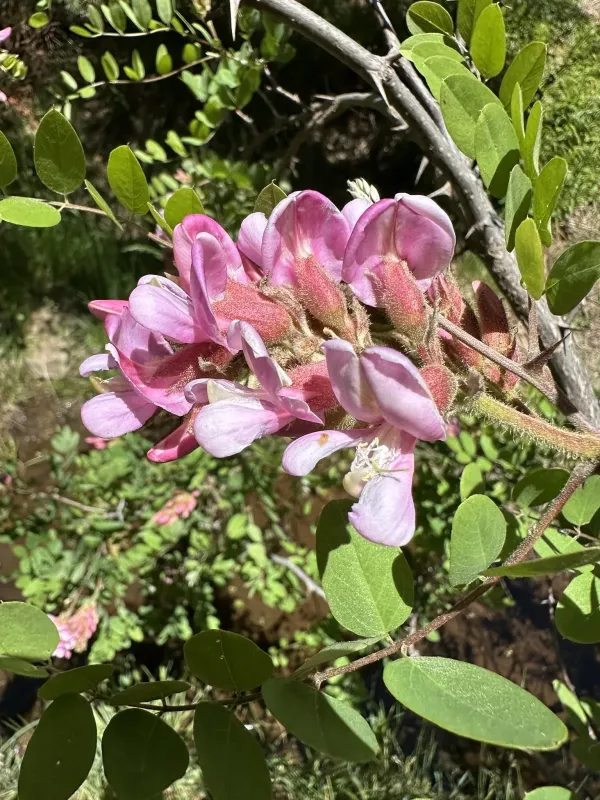
Beyond its ecological benefits, it serves as an ornamental staple due to its showy, fragrant rose-pink flowers that bloom in early summer. It is also an important nectar source for pollinators, supporting local biodiversity in garden settings.
Main diseases and pests
While generally robust, the New Mexican locust can be susceptible to powdery mildew, especially in humid or poorly ventilated environments. Maintaining adequate spacing and pruning the crown regularly are key strategies for disease prevention.
Insect pests, such as leaf miners, locust borers, and spider mites, may periodically infest the foliage. Monitoring the plant throughout the growing season allows for early intervention using horticultural oils or systemic insecticides if population levels exceed thresholds.
Root rot is the most common physiological threat, often caused by excessive irrigation or heavy soils with poor drainage. Ensuring the site is well-drained during the initial planting phase is the most effective way to avoid this fatal issue.
Sanitation practices are essential for managing health. Removing fallen leaves and infected twigs in late autumn helps reduce the overwintering population of pathogens and pests, ensuring a healthier growth cycle the following spring.
Pruning should focus on removing dead or crossing branches to promote air circulation and light penetration. By minimizing stress through proper cultural care, the New Mexican locust remains a long-lived and visually appealing woody perennial.