
Neltuma articulata
Neltuma articulata
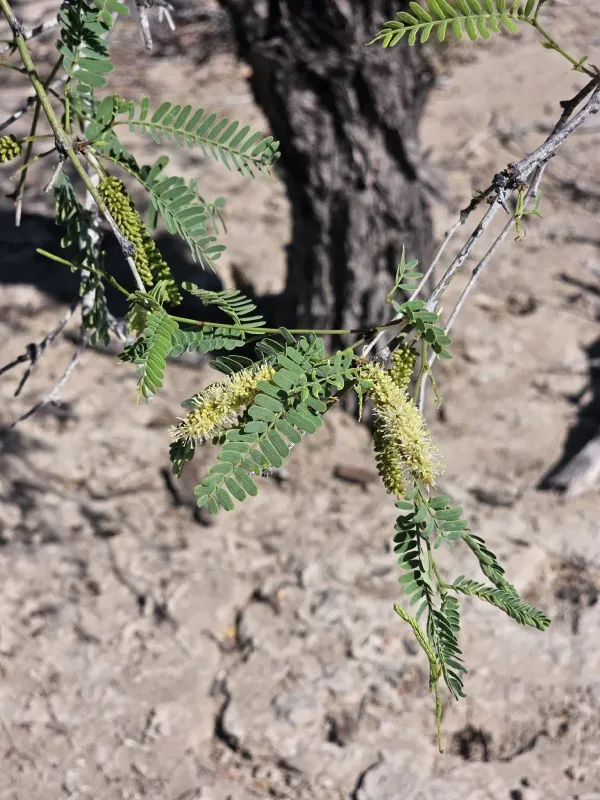
Description
Sowing dates
Neltuma articulata, a species previously belonging to the Prosopis genus, is a hardy leguminous plant adapted to arid environments. The seeds possess a hard, impermeable seed coat, which necessitates mechanical or chemical scarification to facilitate germination.
Sowing should be performed when soil temperatures are consistently above 15 degrees Celsius to ensure rapid root development. Seeds are typically planted at a depth of 3 to 5 centimeters to maintain adequate contact with soil moisture.
In larger agricultural projects, seedlings are often raised in nurseries before transplantation to ensure higher establishment rates in the field. This method also protects young plants from early competition with weeds.
The spacing between plants depends on the intended production goal, such as fodder production or land reclamation. A spacing of 3 to 5 meters between rows is generally recommended to balance resource competition and yield.
Early-stage management requires keeping the planting rows free of weeds to prevent competition for limited water resources. Once established, the root system of Neltuma articulata is highly efficient at extracting moisture from deep soil layers.
Growing requirements
This species is a true xerophyte, thriving in areas with low annual precipitation and high heat. It is particularly valued for its ability to withstand prolonged drought cycles that would destroy most traditional crops.
The plant grows optimally in well-drained, sandy, or loamy soils. It has a significant tolerance for saline conditions, making it an excellent candidate for rehabilitating degraded or salted agricultural lands.
Full sun exposure is a fundamental requirement for the healthy development of this species. Shaded conditions lead to weak growth, reduced flowering, and diminished pod production, affecting overall economic yield.
Neltuma articulata improves soil quality by fixing atmospheric nitrogen through a symbiotic relationship with soil bacteria. This makes it a valuable component in sustainable agroforestry systems and soil improvement programs.
The plant is frost-sensitive and should not be cultivated in regions where temperatures drop significantly below freezing. Protection from cold winds is advisable for younger specimens during their first few years of growth.
Yield
The pods of Neltuma articulata are highly nutritious, containing significant concentrations of proteins and sugars. These serve as excellent forage for livestock, particularly during the dry season when other fodder sources are scarce.
The timber of this tree is remarkably hard, durable, and resistant to decay. It is frequently utilized in rural construction, for tool handles, and for the production of high-quality charcoal, providing additional revenue.
Foliage can also be harvested for fodder, though careful management is needed to maintain the longevity of the trees. Harvesting cycles should be planned to avoid stressing the plant during its peak growth season.
Yields stabilize after the tree reaches maturity, typically after 4 to 5 years of age. Well-managed stands can remain productive for several decades, providing a reliable source of feed and building materials.
Harvesting pods is best performed when they are fully mature and dry on the tree. After collection, pods must be stored in dry, well-ventilated conditions to prevent the growth of molds and protect against stored-grain pests.
Main diseases and pests
The primary pests affecting Neltuma articulata are seed beetles (bruchids) that infest the pods. Managing these pests is crucial for maintaining the viability of seeds and the quality of the harvested fodder.
Root rots and fungal infections can occur if the plant is grown in soils with poor drainage or during periods of excessive rainfall. Proper site selection and site preparation are the most effective preventive measures.
Young trees are susceptible to grazing damage by wild animals or livestock. Protective fencing is highly recommended during the initial development phases to ensure the trees reach a height where they are less vulnerable.
Pests that suck sap, such as mites or aphids, can become problematic during extreme heatwaves when the plant's natural defenses may be temporarily stressed. Regular monitoring is essential to detect outbreaks early.
Management strategies should focus on integrated pest management (IPM) to minimize the use of chemical pesticides. Promoting the presence of beneficial insects can help keep populations of minor pests under control naturally.