
Neltuma humilis
Neltuma humilis
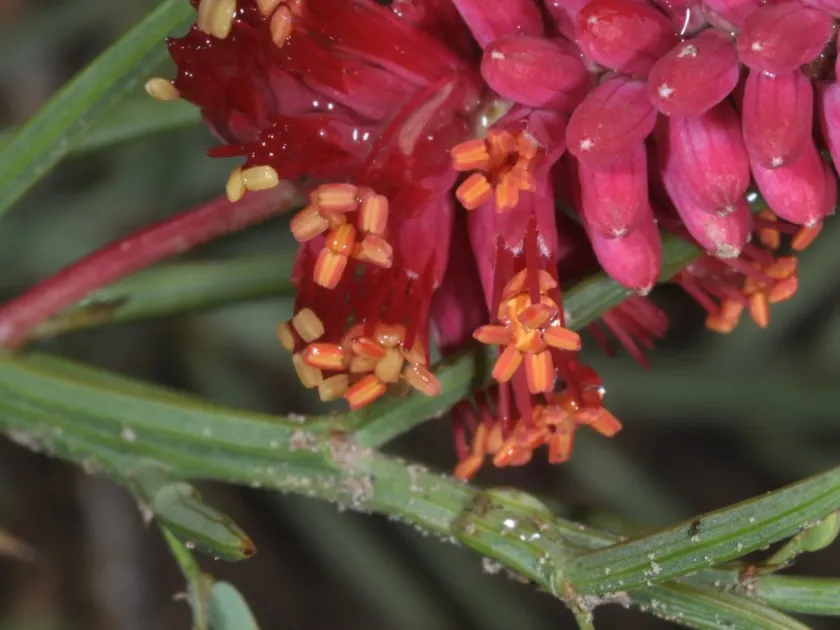
Description
Growing requirements
Neltuma humilis, historically recognized as Prosopis humilis, is a shrubby legume belonging to the Fabaceae family. Native to the arid regions of South America, this plant is evolutionary adapted to survive in environments characterized by long-term drought and nutrient-poor soils.
The plant demonstrates significant xerophytic characteristics, including reduced foliage size and a deep taproot system designed to access deep groundwater. It serves as an essential component in managing arid lands, contributing to both soil stability and biodiversity.
Cultivation of Neltuma humilis requires well-drained, porous soils. It is highly intolerant to waterlogging, as standing water promotes root decay. Ideal sites are open, sunny areas where the plant can maximize its photosynthetic potential.
In terms of climate, the species thrives in semi-arid zones with distinct dry and wet seasons. It shows high resilience to temperature fluctuations and is capable of remaining dormant during severe droughts, resuming growth immediately upon the arrival of moisture.
Agrotechnical management is primarily focused on the establishment phase. Once the root system is well-developed, the plant requires little to no intervention, making it a sustainable choice for extensive land use in desert and semi-desert climates.
Main diseases and pests
Seed predators, particularly members of the Bruchidae family, pose the most significant threat to Neltuma humilis. These insects burrow into the pods and consume the developing seeds, drastically reducing the natural propagation rate of the plant.
Fungal pathogens affecting the leaves and stems are occasionally observed during periods of high humidity. These infections manifest as leaf spotting or stem cankers, which can lead to reduced vigor if the stand is overly dense and lacks proper ventilation.
Root-knot nematodes can become a challenge when the crop is grown in intensive systems on the same plot for extended periods. This issue is typically addressed through crop rotation or by maintaining sufficient spacing between individual plants.
Herbivory by both wild and domestic animals is a natural factor that influences the growth form of the plant. While limited grazing can be beneficial for stand rejuvenation, excessive pressure can suppress the development of young shoots.
Integrated Pest Management (IPM) strategies for this crop prioritize long-term ecological balance. Farmers often monitor seed damage levels to determine if selective control measures are necessary to ensure the survival of the next generation of plants.