
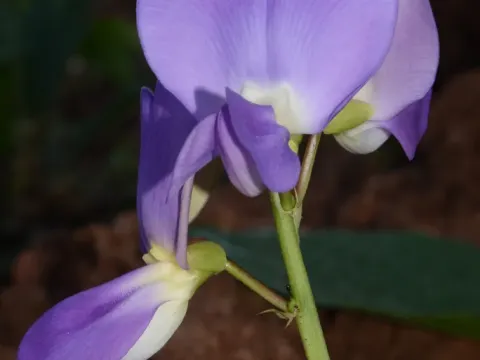
Nesphostylis
Nesphostylis
The sowing of Nesphostylis is typically timed to coincide with the beginning of the rainy season in its native regions. Planting during this period ensures that the seeds have access to sufficient moisture, which is vital for early establishment and root system development.
What the section contains
Nesphostylis
Successful germination requires soil temperatures consistently between 20 and 25 degrees Celsius. The seeds should be planted at a depth of 3 to 5 centimeters, depending on the soil moisture content and the overall texture of the seedbed.
In tropical farming practices, wide row spacing is commonly adopted. This practice enhances airflow within the canopy, which significantly reduces the humidity levels that often lead to fungal pathogen outbreaks in thick foliage.
Before sowing, it is advisable to check seeds for viability. Proper planting density is essential to ensure that plants have sufficient room to access nutrients and sunlight without excessive intra-species competition.
In traditional agricultural systems, Nesphostylis is often intercropped with other plants. This practice improves resource utilization and helps maintain soil health while providing a more diverse output for the farmer.
Nesphostylis is a member of the legume family (Fabaceae), known for its adaptation to tropical and subtropical climates. The plant is remarkably heat-tolerant and possesses a robust root system, allowing it to survive periods of limited water availability.
The crop thrives in well-drained soils ranging from sandy loams to loams. An ideal soil pH is slightly acidic to neutral, which creates the optimal environment for the symbiotic rhizobia bacteria that fix atmospheric nitrogen.
As a heliophilic plant, Nesphostylis requires full sun exposure to achieve maximum yields. Providing adequate light is crucial, as any significant shading will likely result in etiolated stems and a reduction in the overall pod set.
The presence of specific nitrogen-fixing bacteria is key to the plant's nutritional success. If the crop is introduced to a new field, seed inoculation with the correct rhizobial strain is highly recommended for optimal plant health.
While Nesphostylis is relatively hardy, it responds well to phosphorus and potassium fertilization. Nitrogen applications are generally unnecessary, as the plant fulfills its nitrogen requirements through its natural symbiotic relationship with soil bacteria.
The primary threats to Nesphostylis include various leaf spot diseases and root rot, which typically emerge under conditions of high humidity, poor soil drainage, or stagnant air circulation within the plant canopy.
Insect pests, such as aphids, weevils, and various lepidopteran larvae, pose a constant threat to the crop. These pests can damage foliage, buds, and pods, potentially leading to significant reductions in harvestable yields.
Crop rotation is the most effective cultural control method. Avoiding planting Nesphostylis immediately after other legumes prevents the buildup of soil-borne pathogens and pests specific to the Fabaceae family.
Effective management includes selecting disease-resistant varieties and maintaining a clean field by removing weeds that can act as alternative hosts for viral or fungal diseases.
An integrated pest management (IPM) approach, combining regular field monitoring and the judicious use of biological control agents, is recommended to ensure sustainable production and high-quality harvests.