
Neltuma ruscifolia
Neltuma ruscifolia
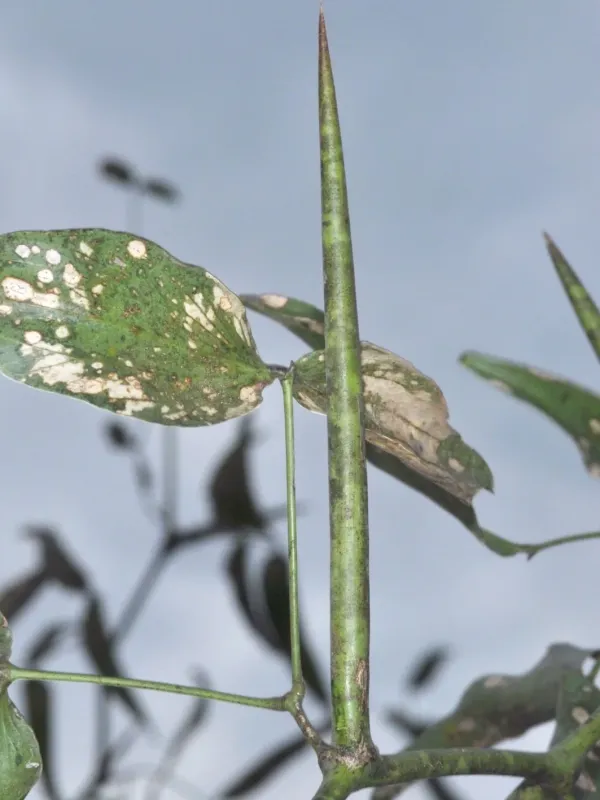
Description
Sowing dates
Neltuma ruscifolia, a member of the Fabaceae family, is a highly resilient woody plant adapted to harsh environmental conditions. The propagation process typically involves sowing seeds that require scarification to break dormancy and ensure high germination rates.
The ideal time for sowing is during the warm season, after soil temperatures have consistently reached 18–22 degrees Celsius. Maintaining stable temperature conditions is crucial for the early development of seedlings during the establishment phase.
For establishing field plantations, utilizing nursery-grown seedlings is often more effective than direct seeding. This practice ensures better survival rates and protects young plants from competitive pressure by invasive weeds in the field.
Seeds should be sown at a depth of 2 to 4 centimeters. Despite the species' eventual drought resistance, providing adequate moisture during the initial germination and root development stage is vital for the health of the young trees.
Initial growth of Neltuma ruscifolia is relatively slow, requiring patience from growers. Ensuring the protection of seedlings from extreme heat and competition for nutrients in the first year is a key factor for long-term plantation success.
Growing requirements
This crop exhibits remarkable adaptability to various soil types, thriving in saline, sandy, or degraded substrates where other agricultural crops struggle to survive. It is an excellent choice for reclamation of poor lands.
Neltuma ruscifolia is extremely drought-tolerant, possessing a deep taproot system capable of accessing water reserves at significant depths. This feature makes it highly suitable for arid zones and erosion control initiatives.
Full sun exposure is essential for the optimal photosynthetic performance of the plant. Significant shading from adjacent vegetation can severely hinder growth, leading to reduced vigor and biomass production in developing trees.
The species prefers tropical and subtropical climatic conditions. It thrives at temperatures between 25 and 35 degrees Celsius, showing the ability to withstand intense thermal stress without significant damage to its metabolic processes.
The plant is capable of fixing atmospheric nitrogen through a symbiotic relationship with specific bacteria. This makes Neltuma ruscifolia largely independent of nitrogen-based fertilizers, enhancing its sustainability as an agricultural crop.
Main diseases and pests
Common pests include certain seed-boring beetles that target the developing pods, which can significantly reduce seed viability. Implementing integrated pest management strategies is essential to minimize yield losses in agricultural settings.
Root rot caused by waterlogging is a primary threat to the health of the trees. Ensuring good soil drainage and avoiding areas with a high water table are necessary precautions to prevent the development of these fungal pathogens.
Leaf-eating insects can cause damage to the canopy during peak growth periods. Growers should perform regular field inspections to identify pest presence early and prevent widespread outbreaks that could lead to significant defoliation.
Powdery mildew can occur in conditions of high air humidity and poor ventilation. Maintaining adequate spacing between trees is a standard preventative measure to promote airflow and decrease the risk of fungal infections within the canopy.
Rodent damage to the bark of young plants can leave them vulnerable to secondary pathogens. Protective measures like physical barriers around the base of the trunk are recommended during the first few years of the plantation's life.
Harvesting
Harvesting primarily focuses on the collection of the pods, which are a valuable source of nutrients for livestock. The harvest phase is initiated when the pods reach full physiological maturity and structural integrity.
Post-harvest management involves drying the pods to a moisture level suitable for storage. Proper drying in well-ventilated conditions prevents the growth of mold and ensures the retention of nutritional value for animal feed.
Modern harvesting methods may involve specialized machinery designed to collect the pods, which is more efficient for large-scale operations. Manual collection remains an alternative for smaller or more difficult terrains.
The processed pods are typically ground into a fine meal, which is incorporated into balanced livestock rations. This supplement provides essential energy and proteins, proving particularly beneficial during periods of forage scarcity.
Regular maintenance pruning of the branches serves a dual purpose: it stimulates tree health and makes the canopy more accessible for harvesting operations. This ensures continued productivity throughout the lifespan of the plantation.